
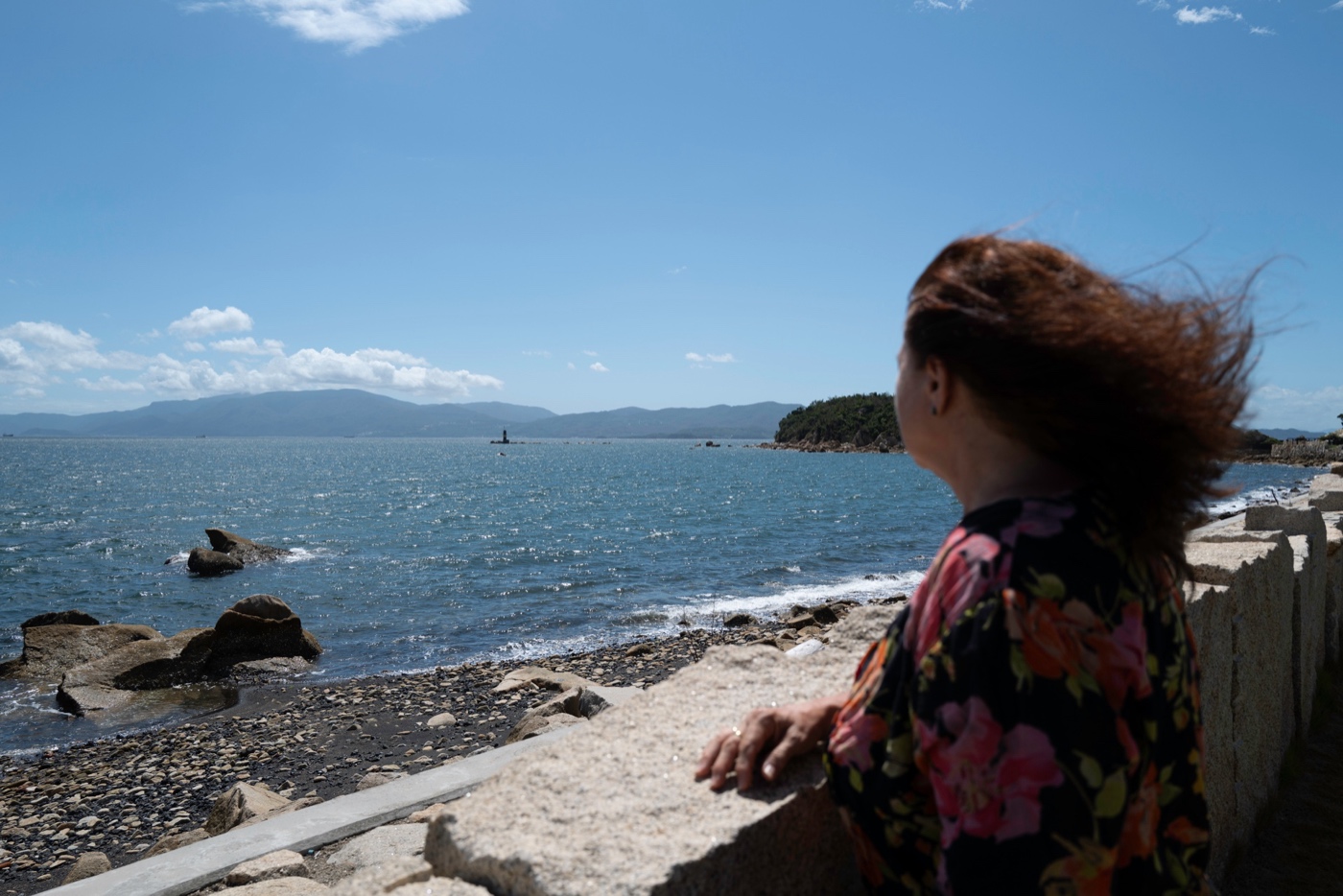
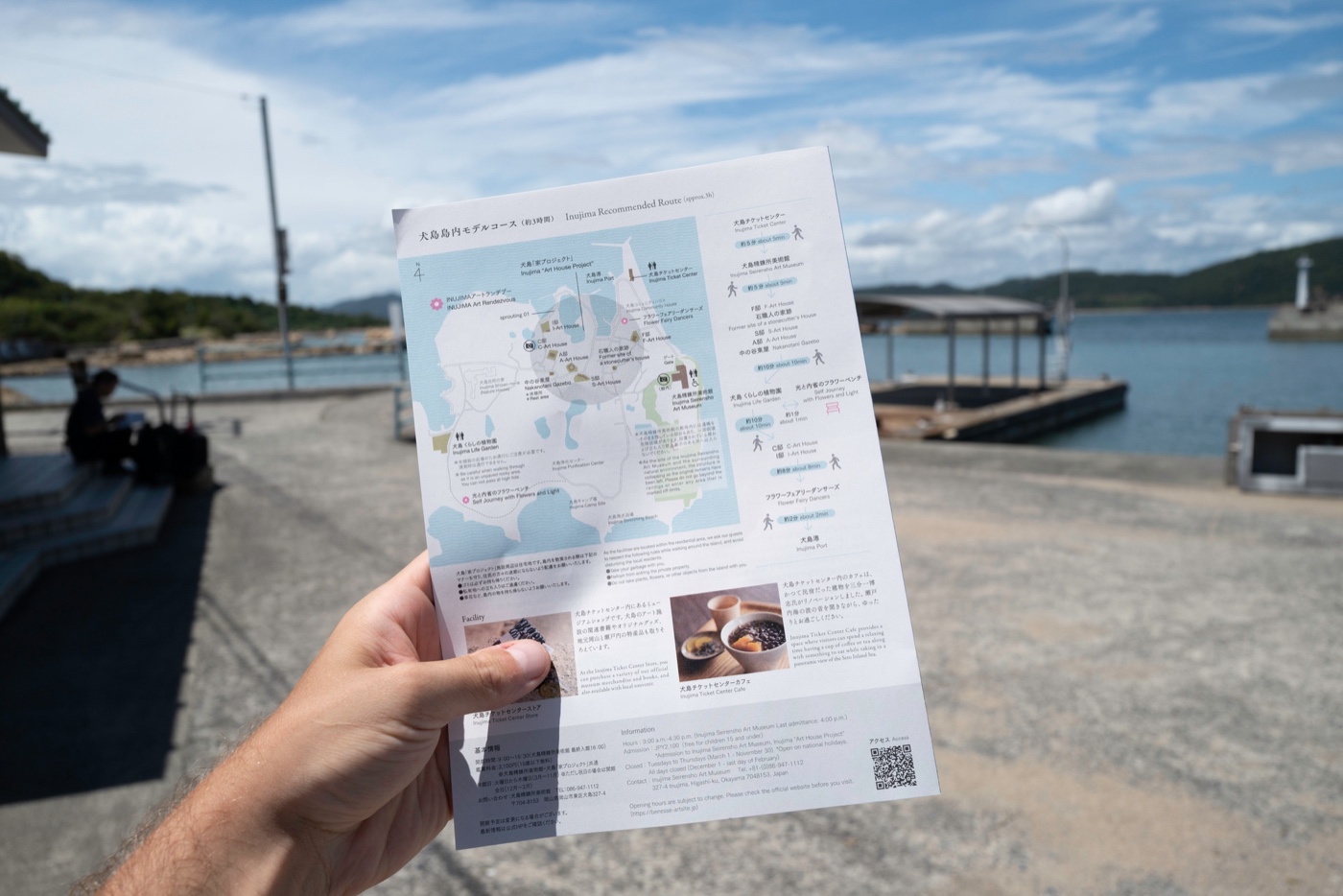
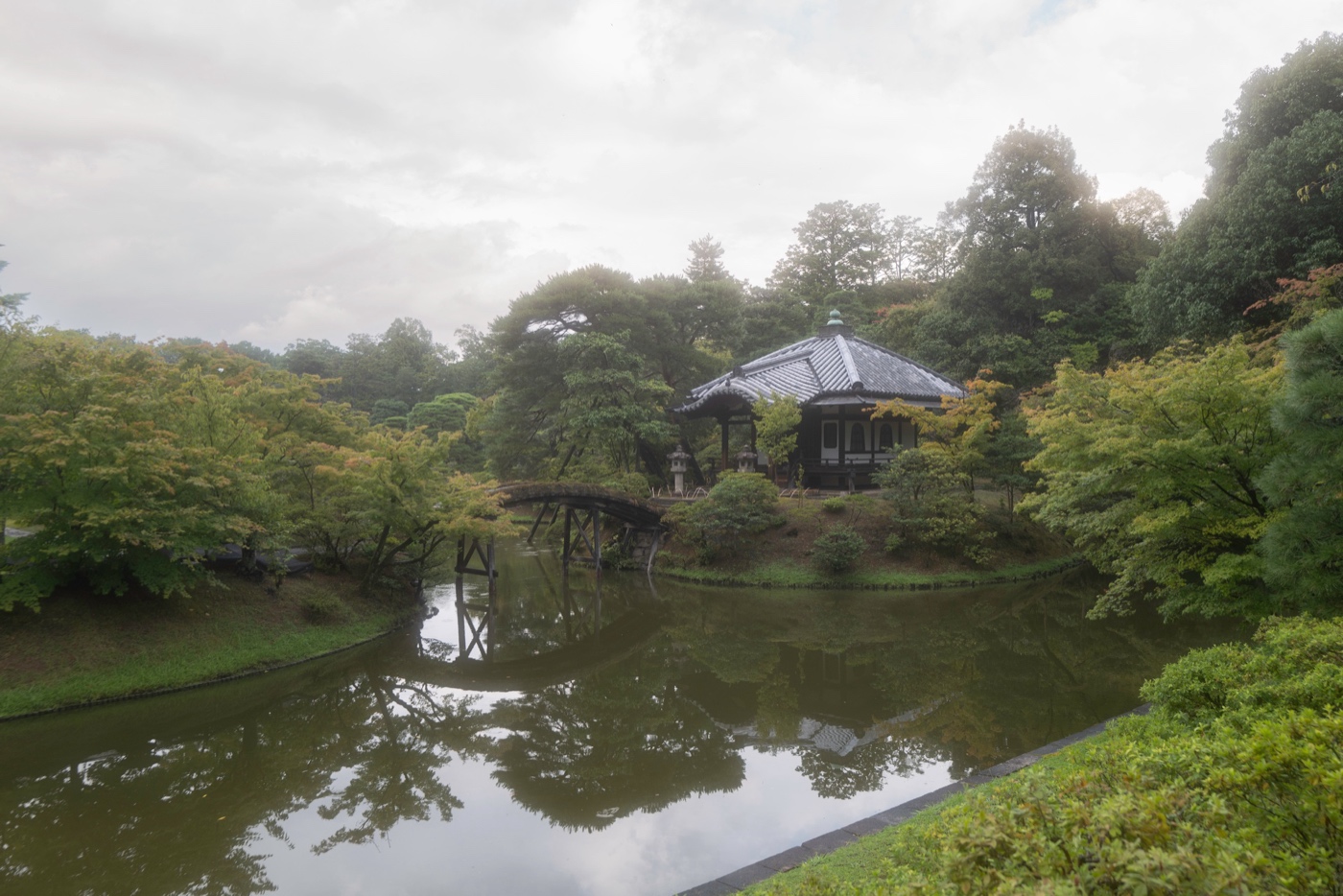
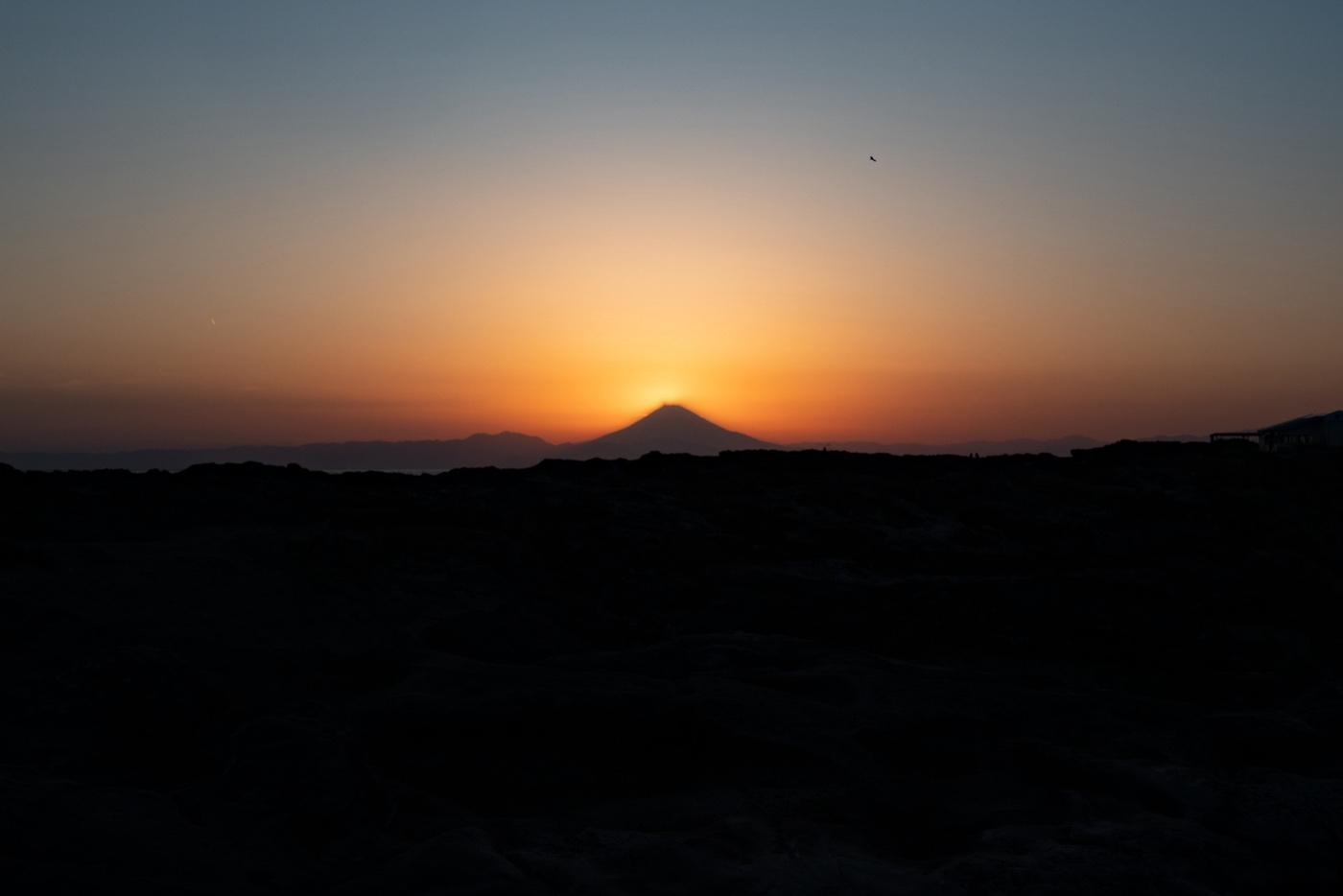
On this journey, we'll discover where to watch the ocean and the sunset with Mount Fuji on the horizon. Passing through Kyoto, we'll visit two masterpieces of traditional Japanese architecture. To finish, we'll tour the art sites of the Seto Inland Sea, exploring the islands by bicycle and ferry.
Japanspecialist builds tailor-made itineraries for travellers from Switzerland, providing flight, accommodation and managing all the connections, luggage forwarding included.
Just enjoy the art and the nature.
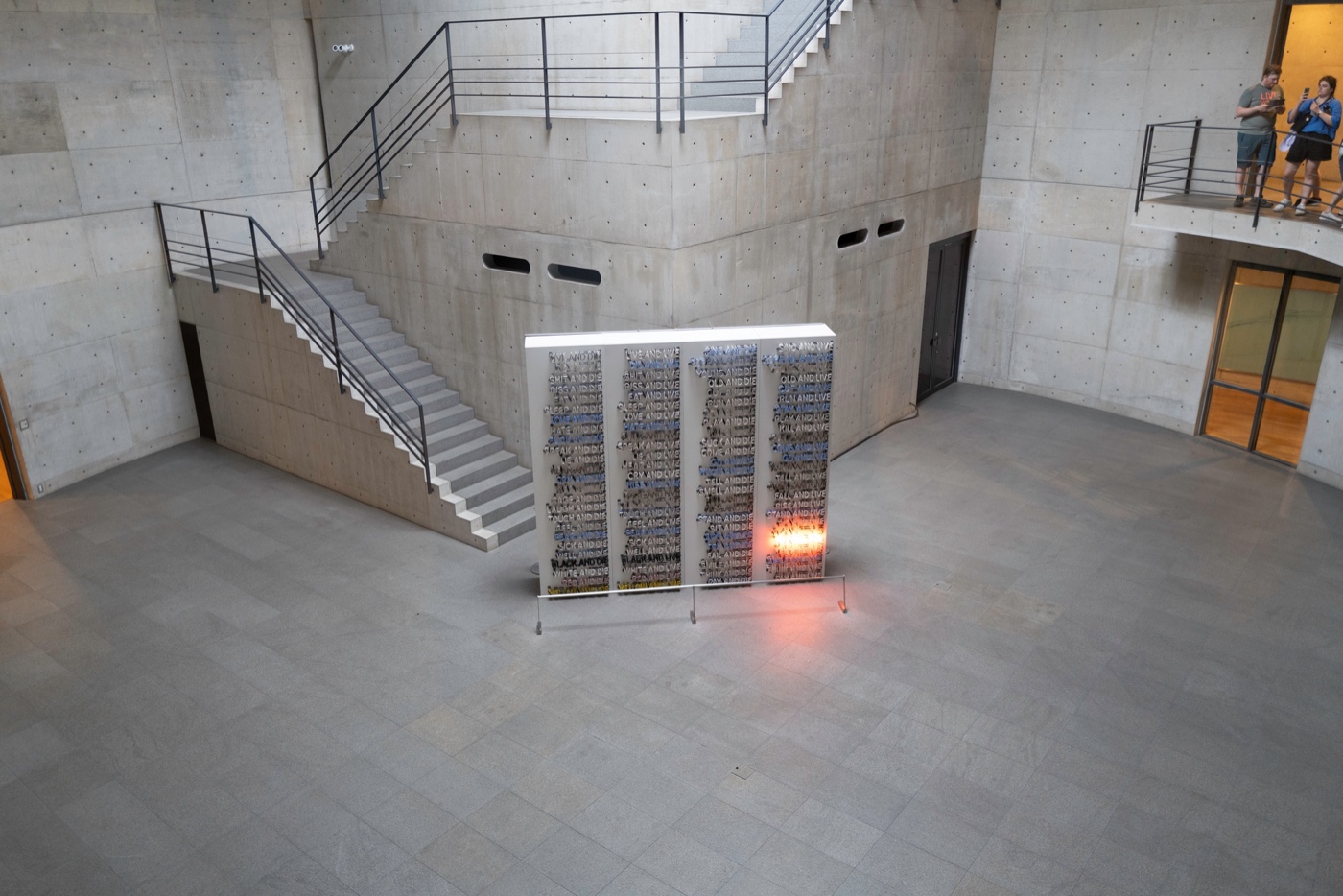
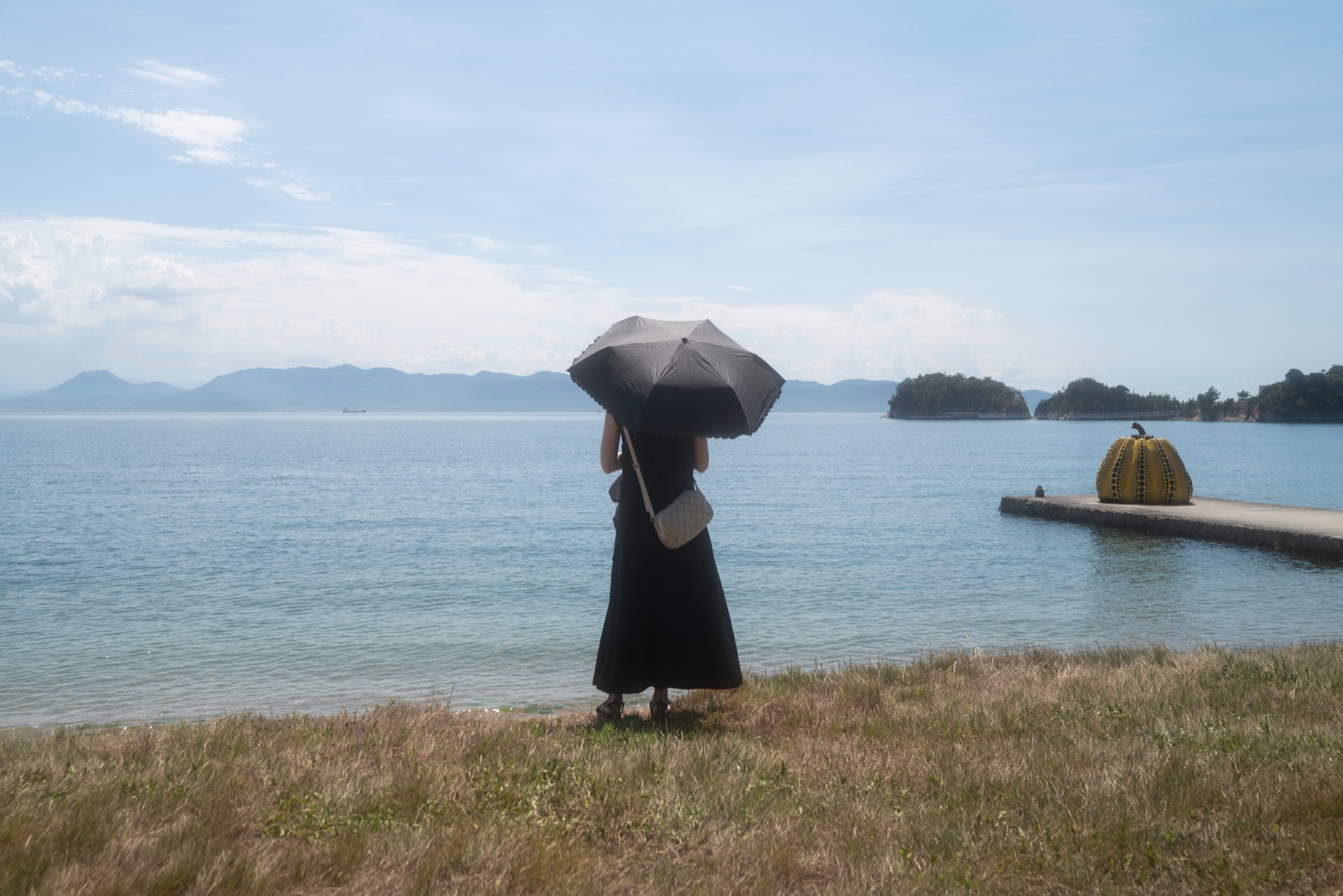
Naoshima is eleven square kilometres, and the best way to see it is from a bicycle. A coastal road connects Benesse House, the Chichu Art Museum, and the Lee Ufan Museum across the southern half of the island, rising into the hills and dropping back down to the sea. The ride itself is part of the experience: pine trees, quiet inlets, sculptures appearing at the roadside, the pace slow enough to let the landscape register.
Japanspecialist arranges the bicycle hire and a route that sequences the museums without backtracking, reaching the Chichu in the late afternoon when the Monet rooms catch the right light.
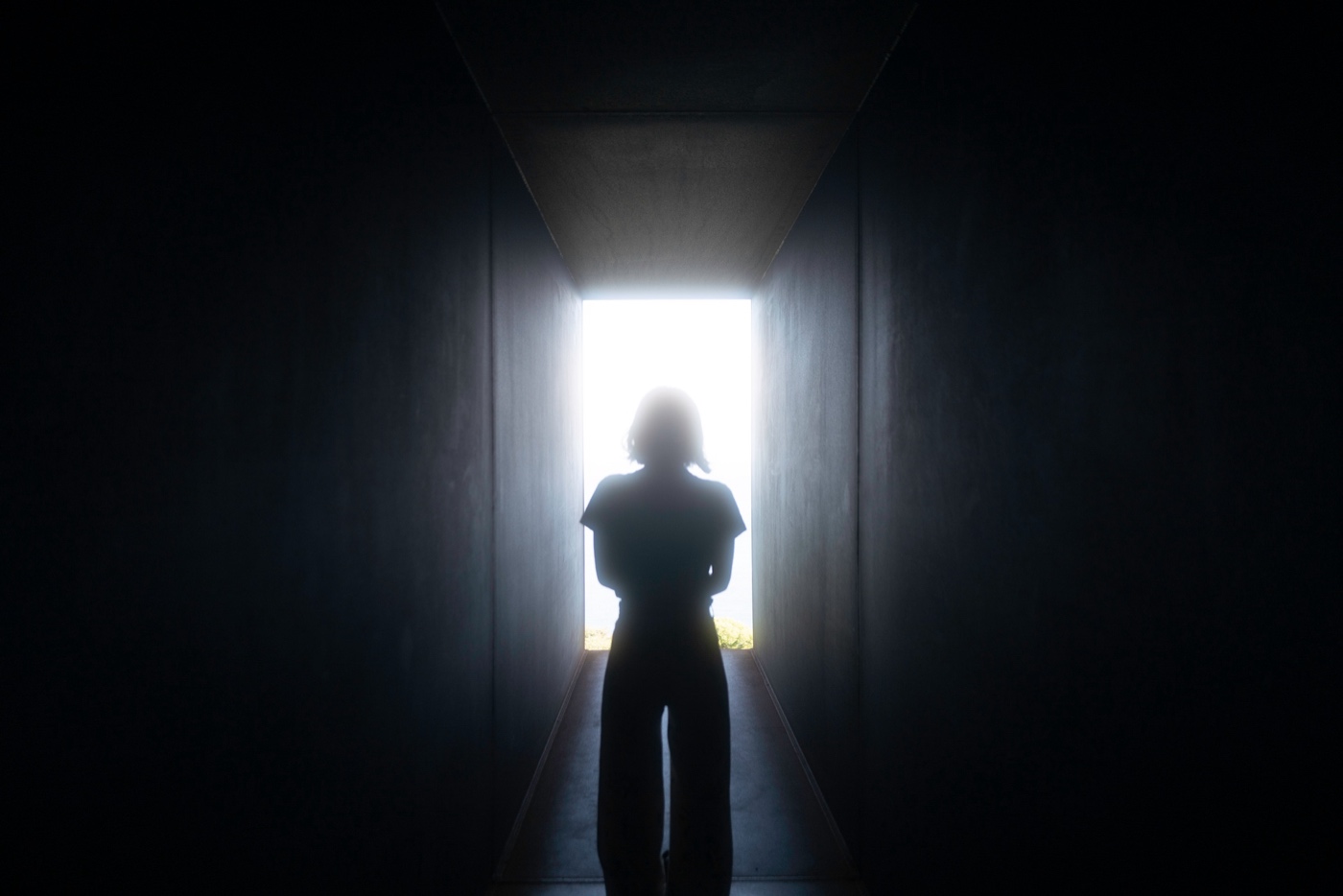
Enoura Observatory opened in 2017 on a cliff above Odawara Bay, an hour from Tokyo by Shinkansen. It is the life work of artist Hiroshi Sugimoto, an extension of his photographic practice into architecture and landscape. The site includes a hundred-metre stone corridor aligned to the winter solstice sunrise, a Noh stage open to the Pacific, a tea house, a fossil collection, and galleries built around his photographs. One of the most concentrated art and architecture experiences in Japan.
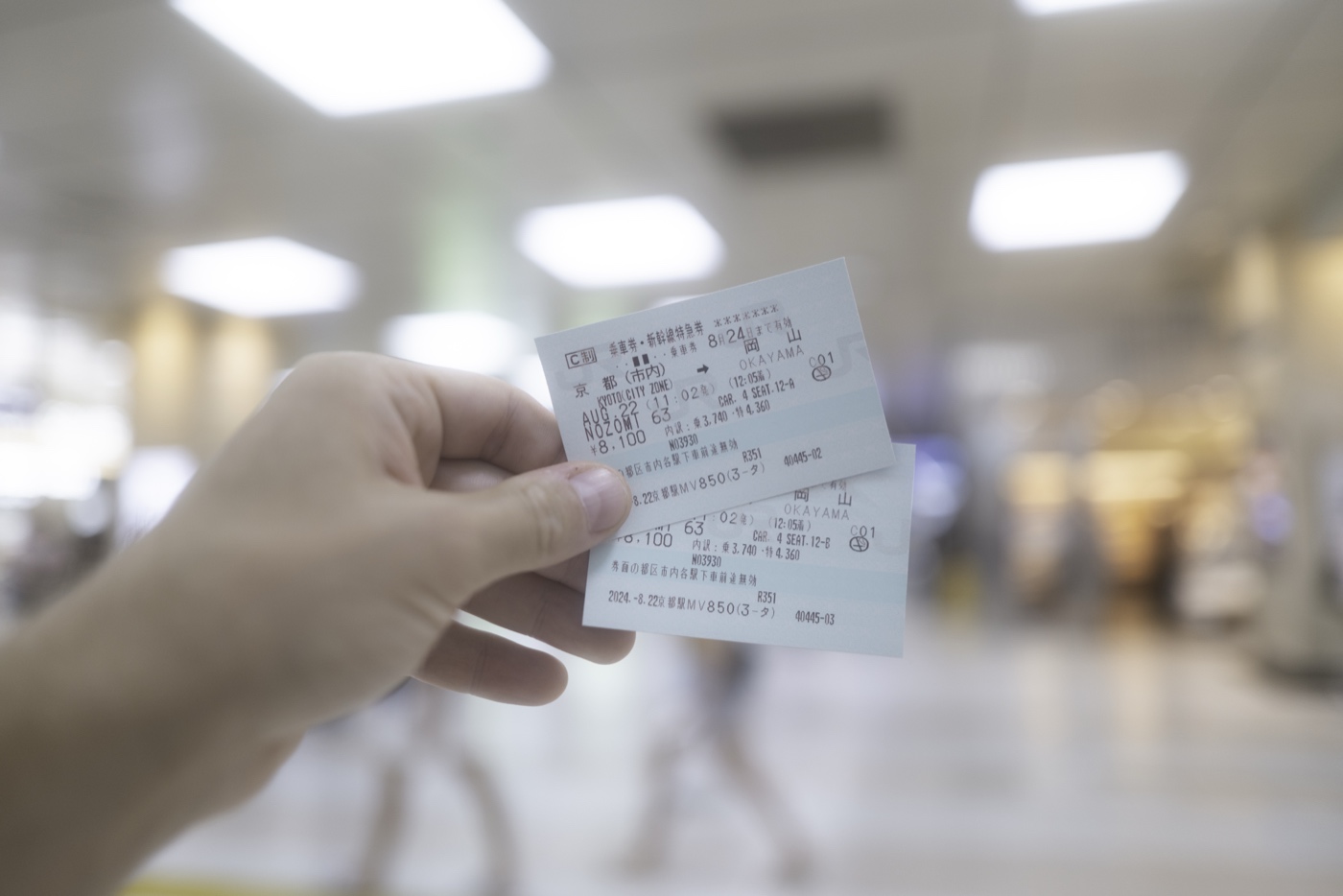
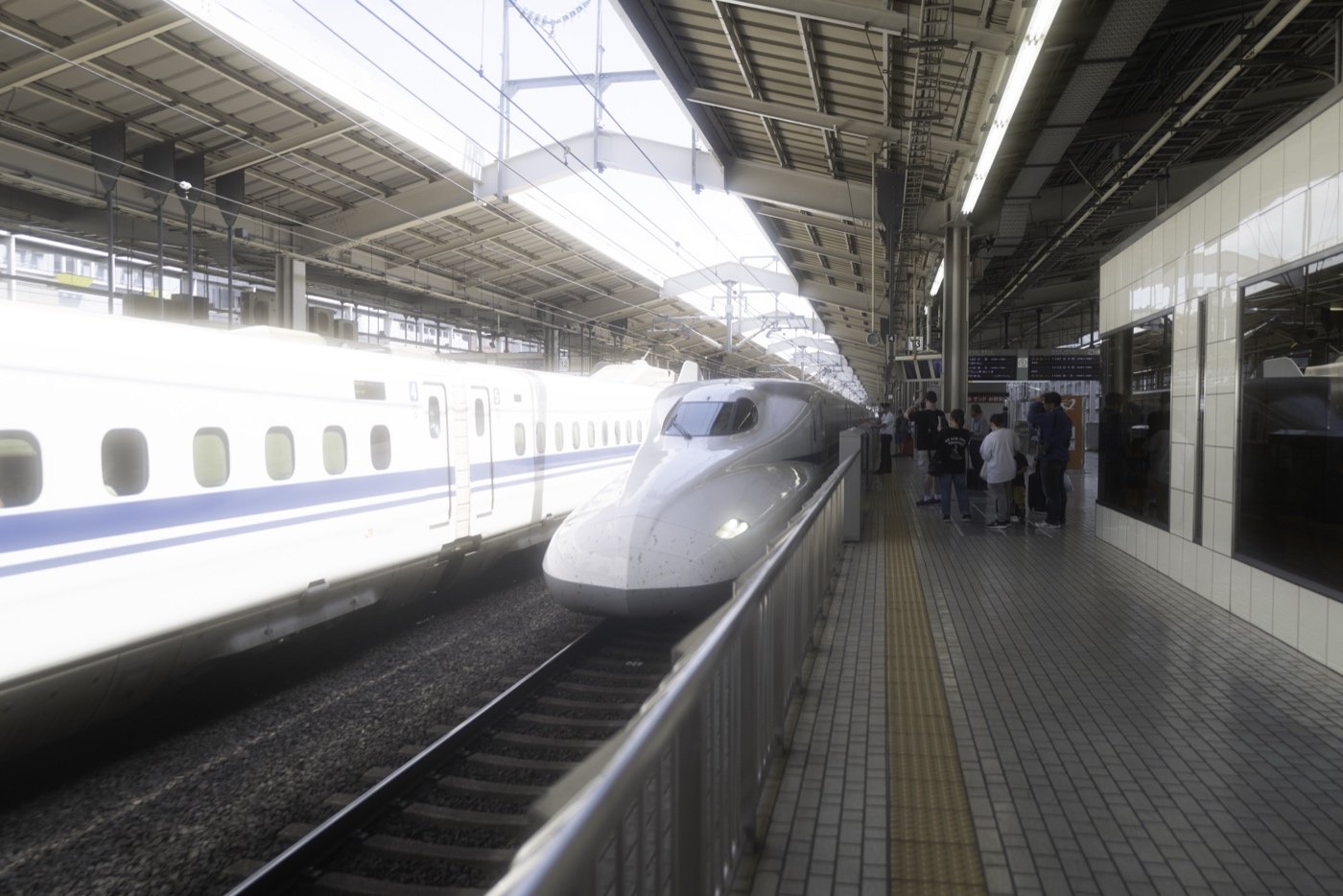
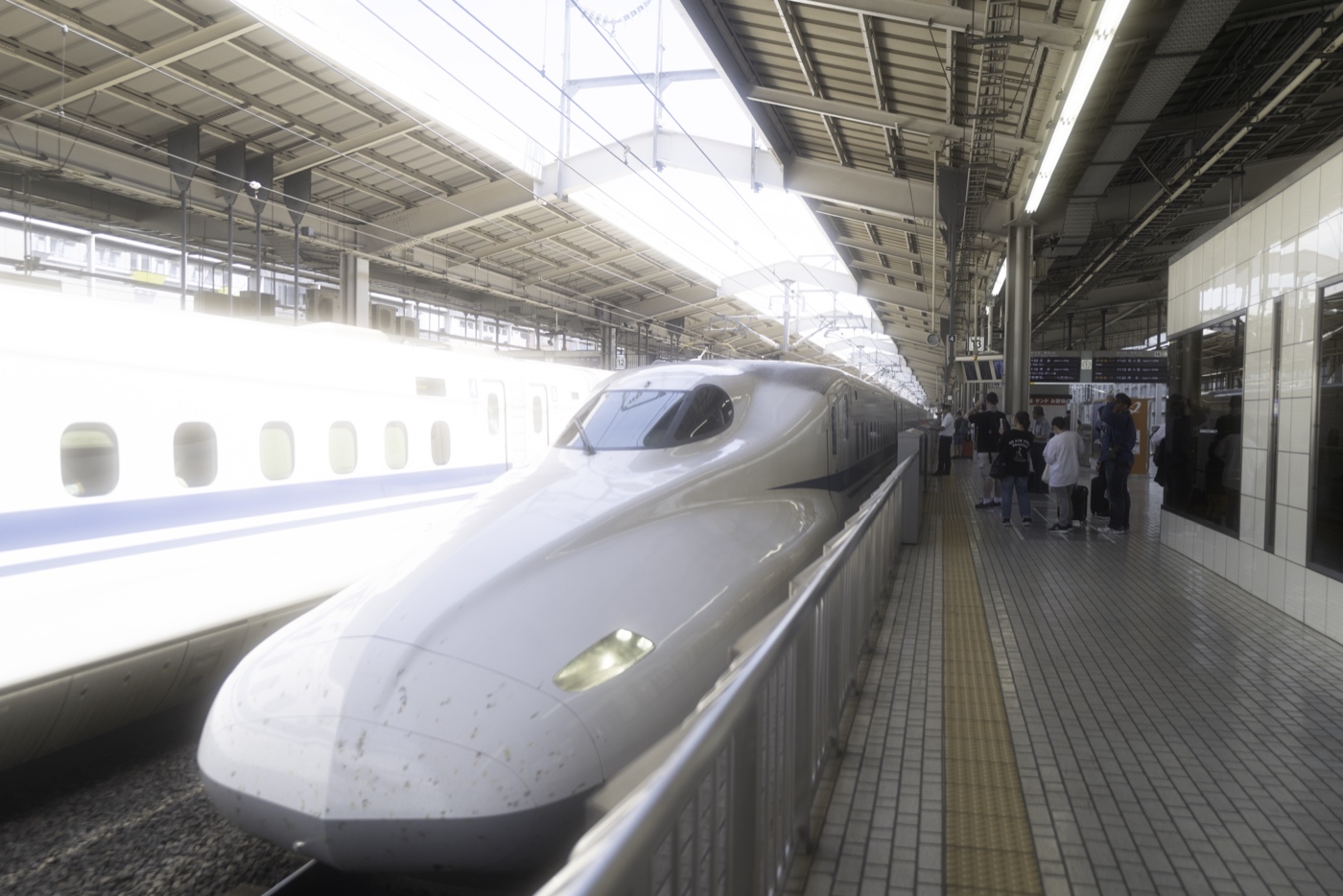
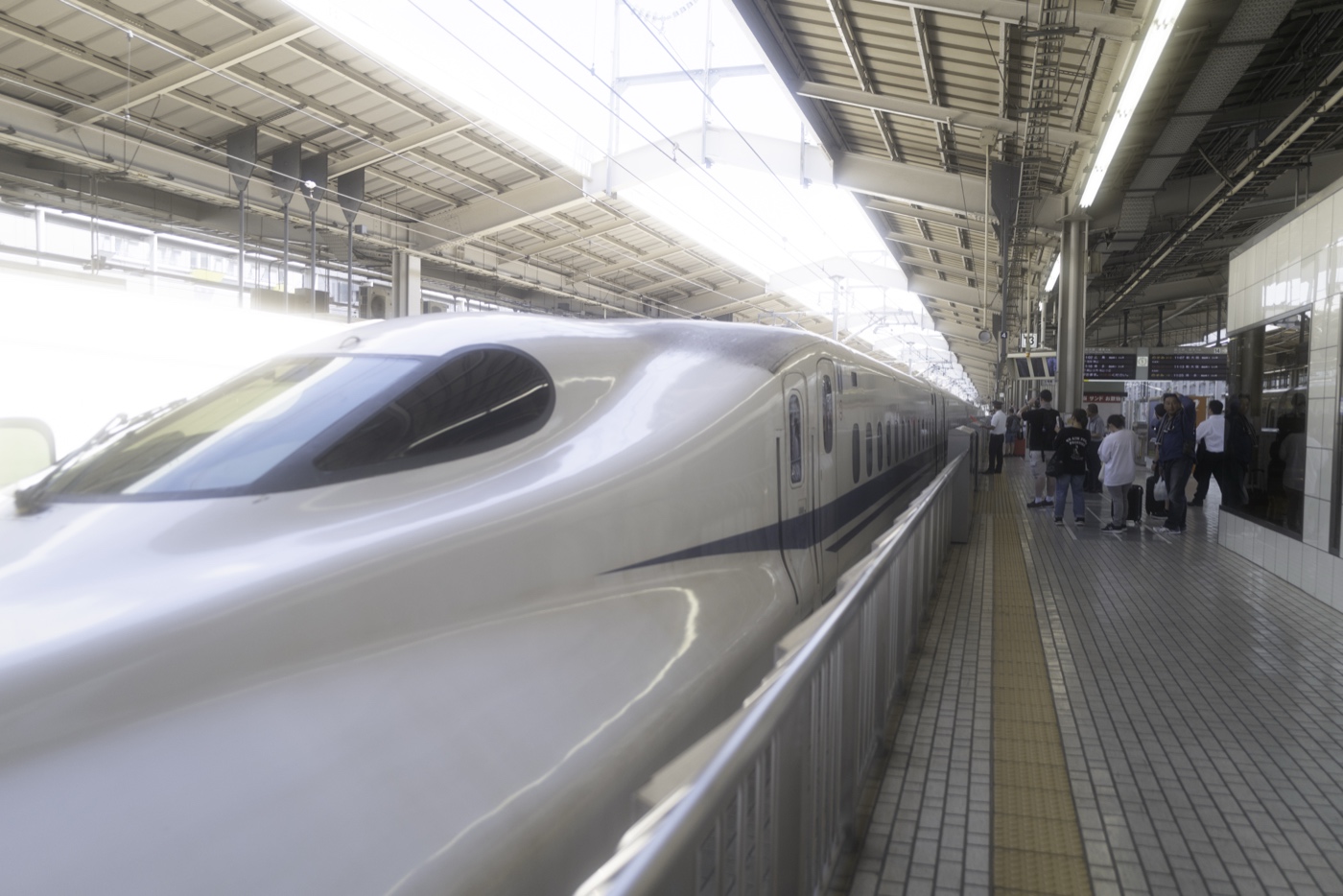
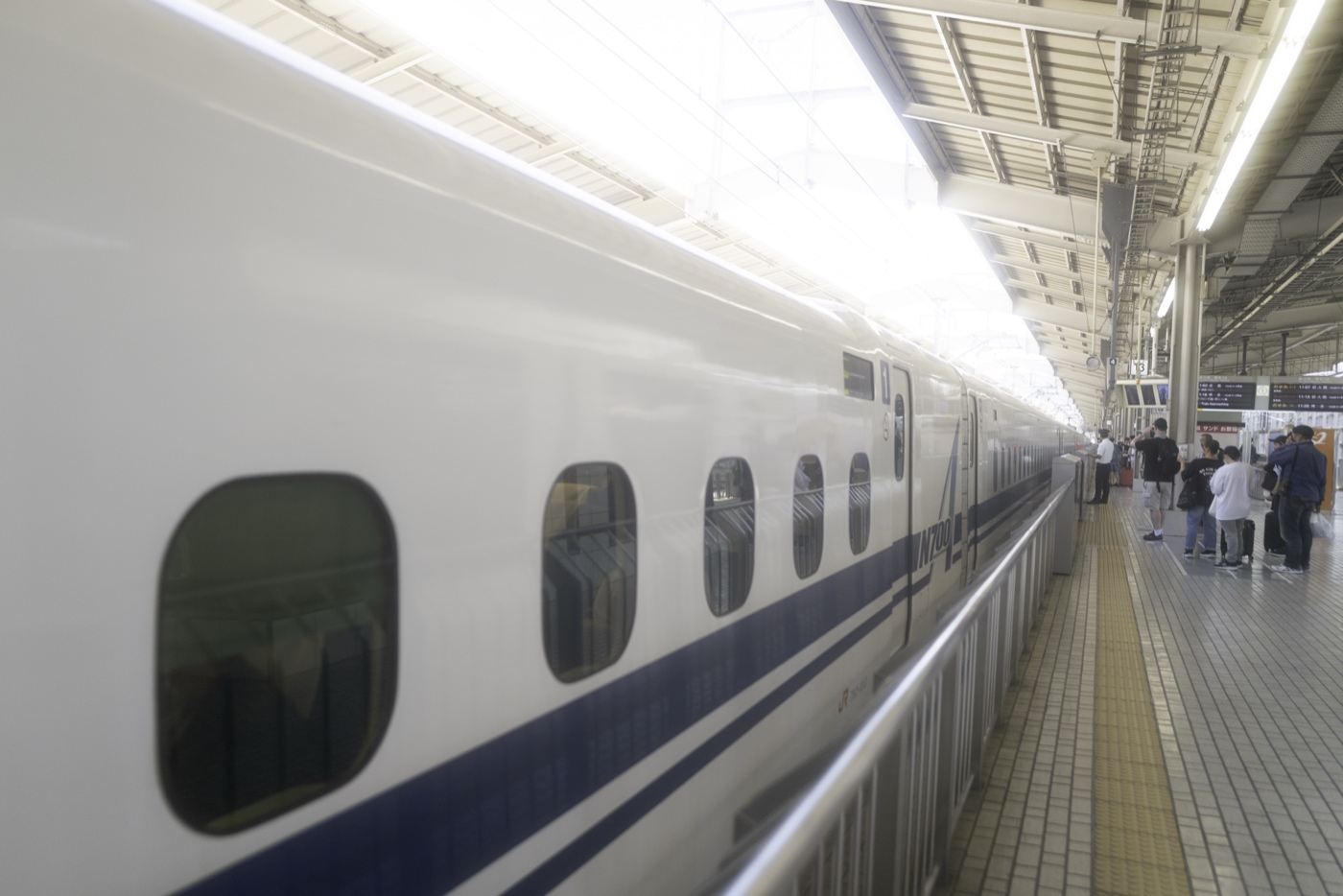
For this itinerary, Japanspecialist can arrange JR Pass selection and individual train tickets, including reserved seats on the Shinkansen between Tokyo, Kyoto, and the Seto Inland Sea region.
BOOK YOUR PASS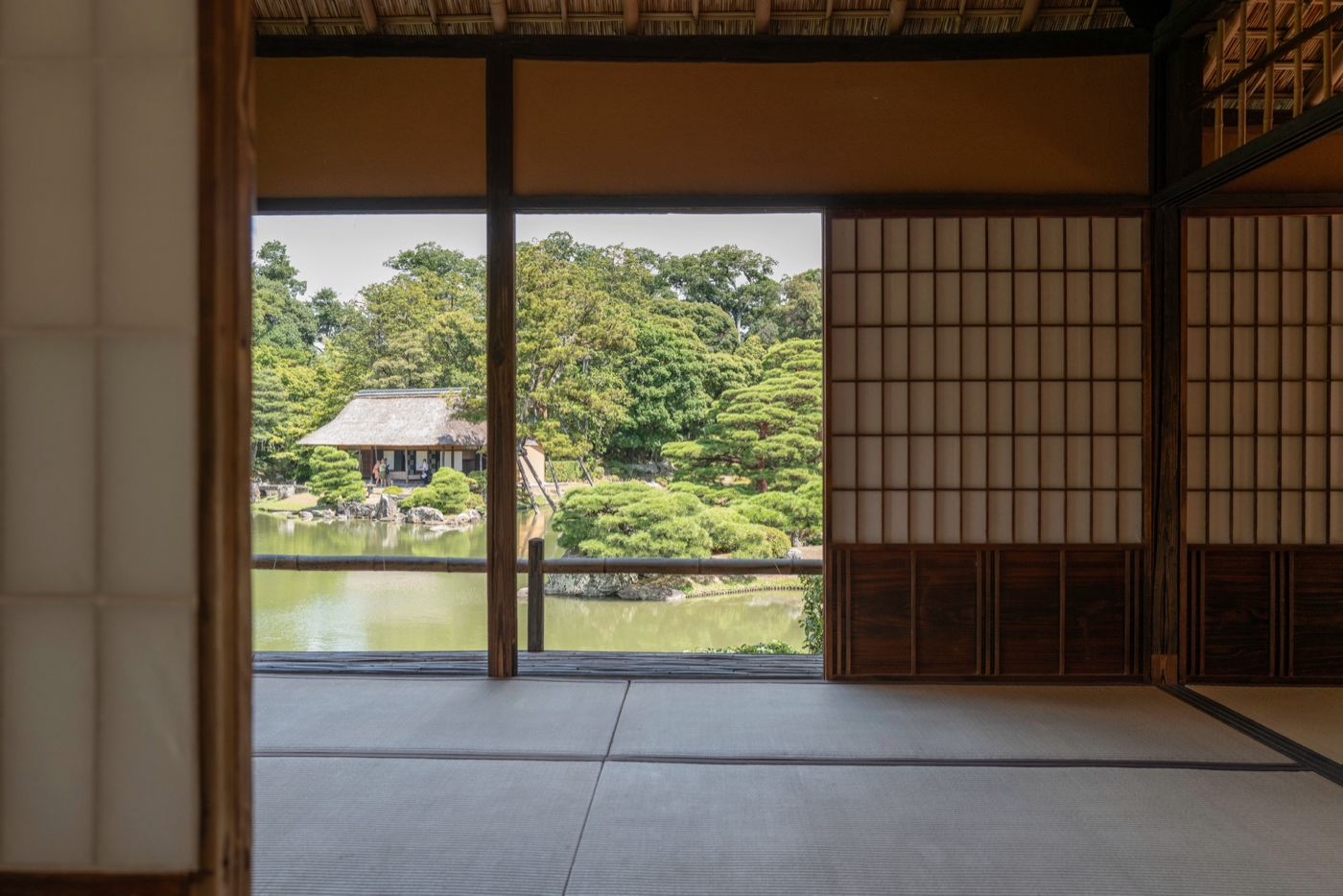
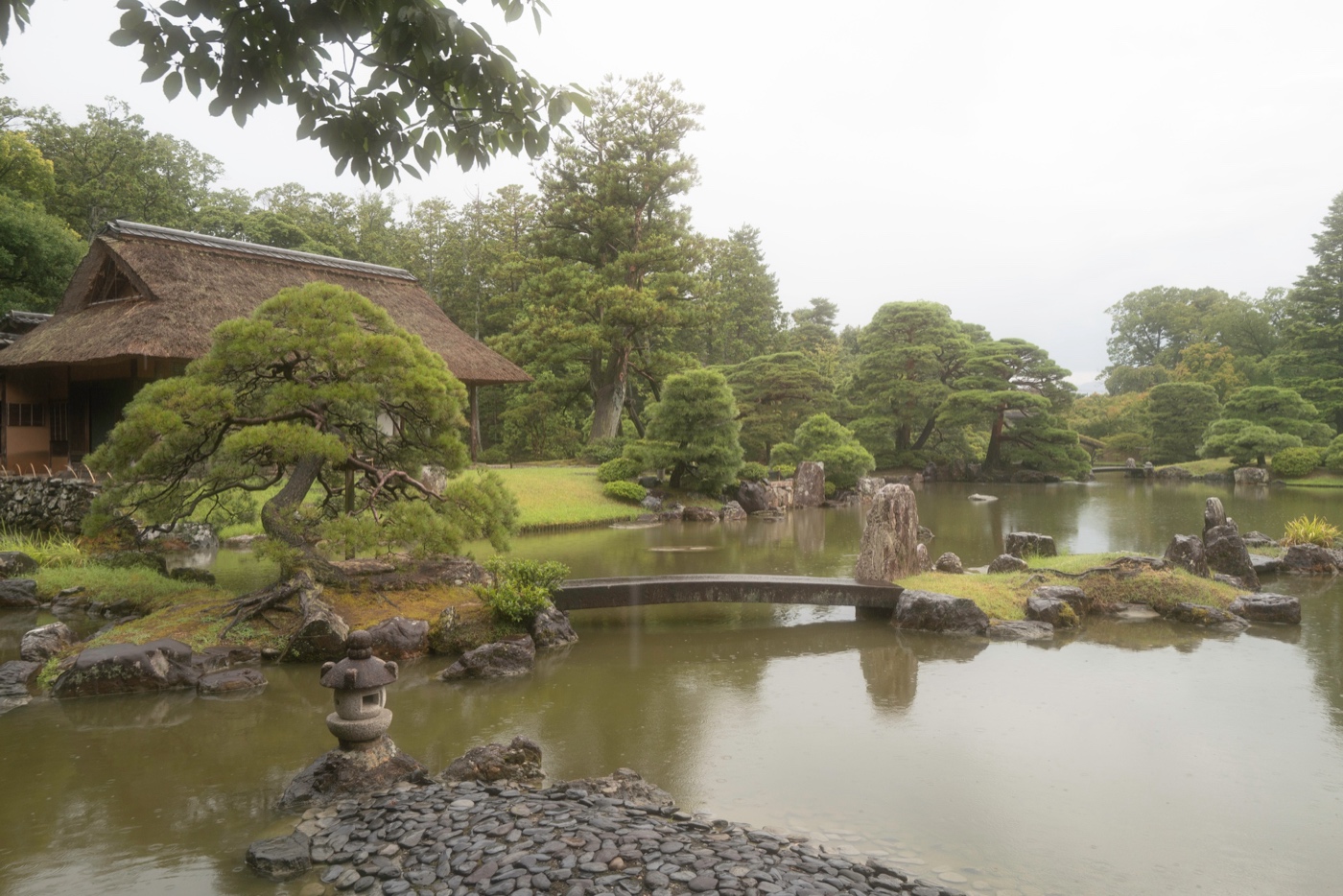
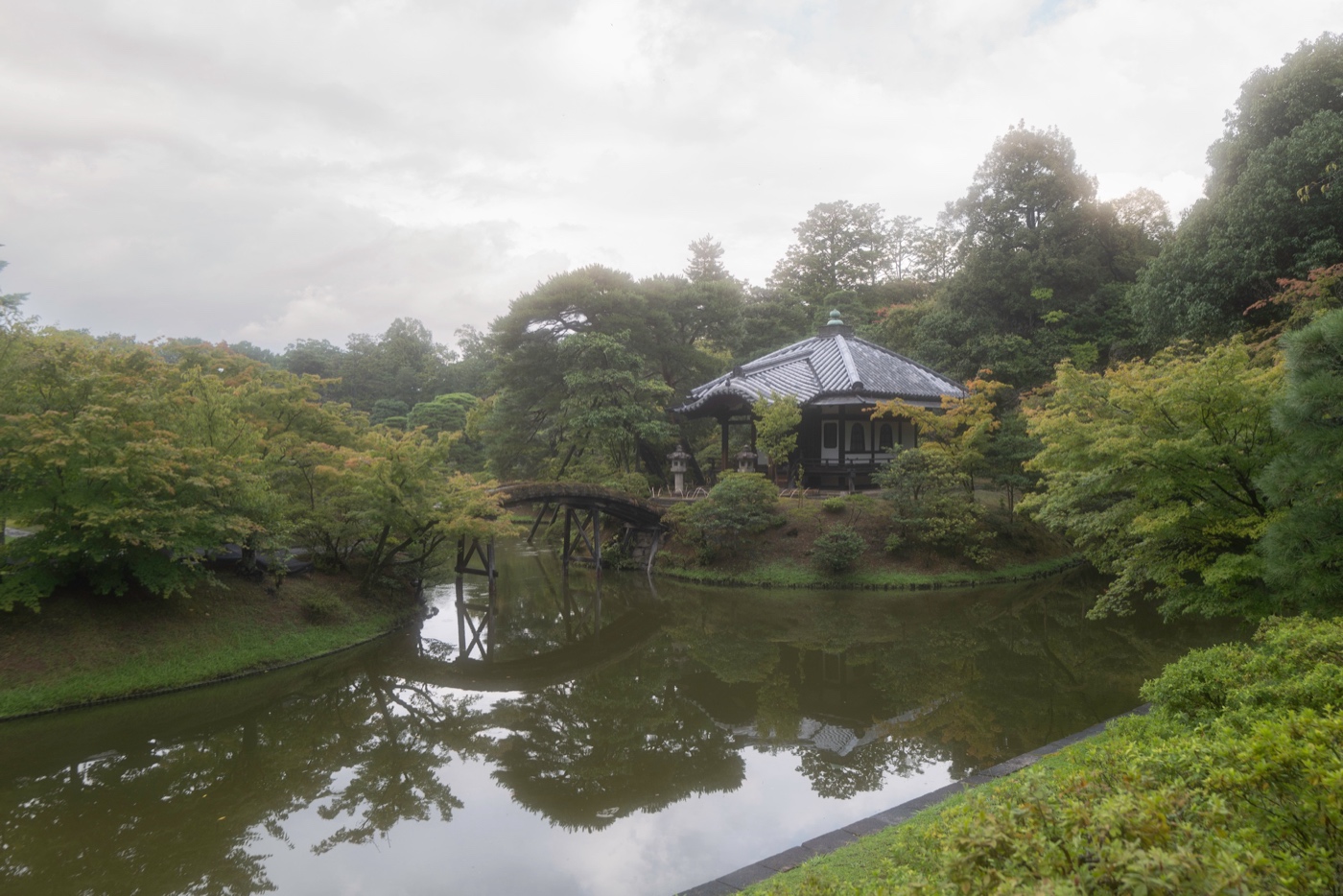
Katsura Rikyū was built in the early seventeenth century for Prince Toshihito, at the edge of the Katsura River in western Kyoto. It is one of the defining works of Japanese architecture, a villa and garden designed as a single composition. Four tea houses sit at different points around a pond, each framing a different view of the water and the stepping stones. The path through the garden follows a set sequence, controlling what you see and when, revealing the main shoin building only after the outer circuit. There is no shortcut, and that is the point.
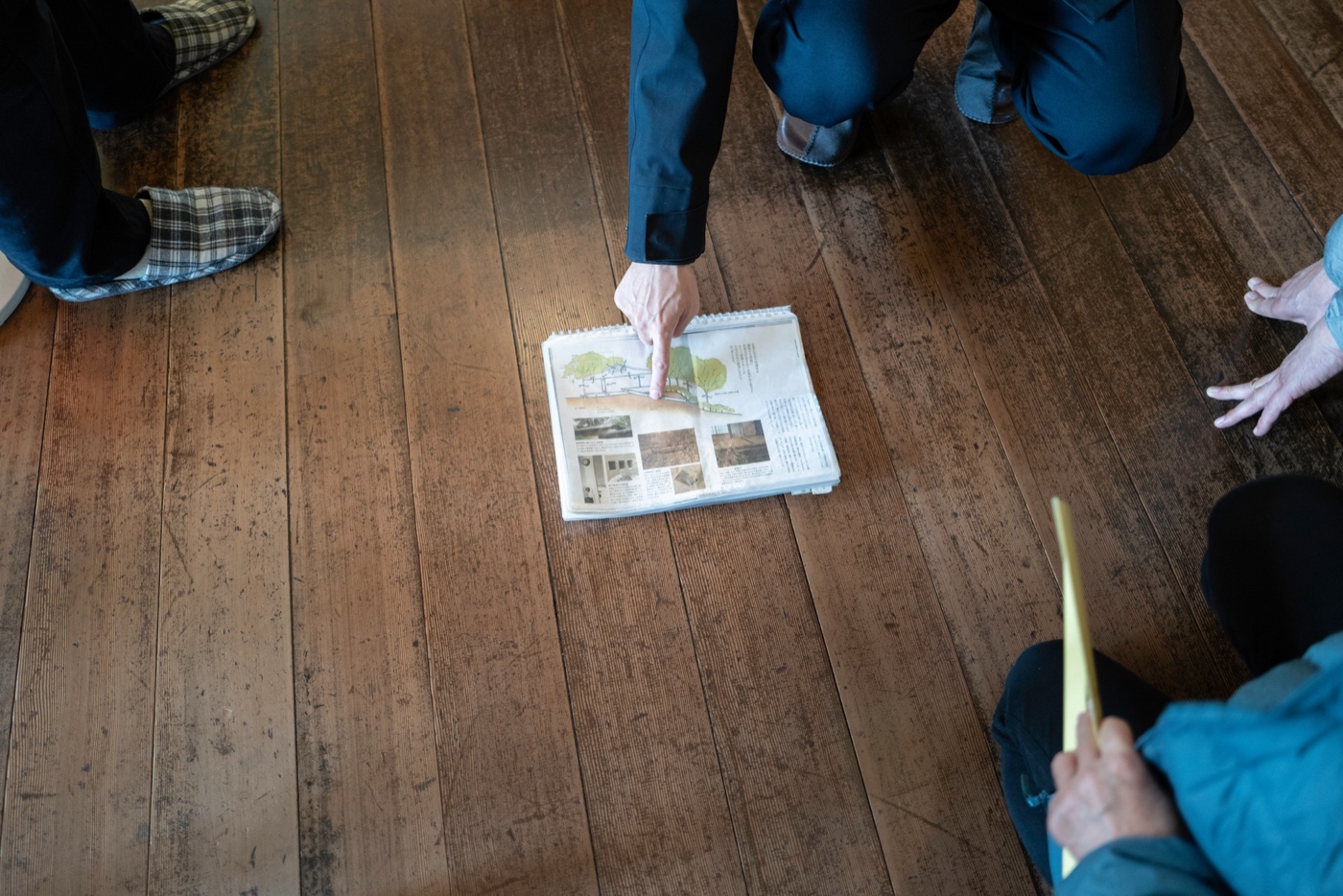
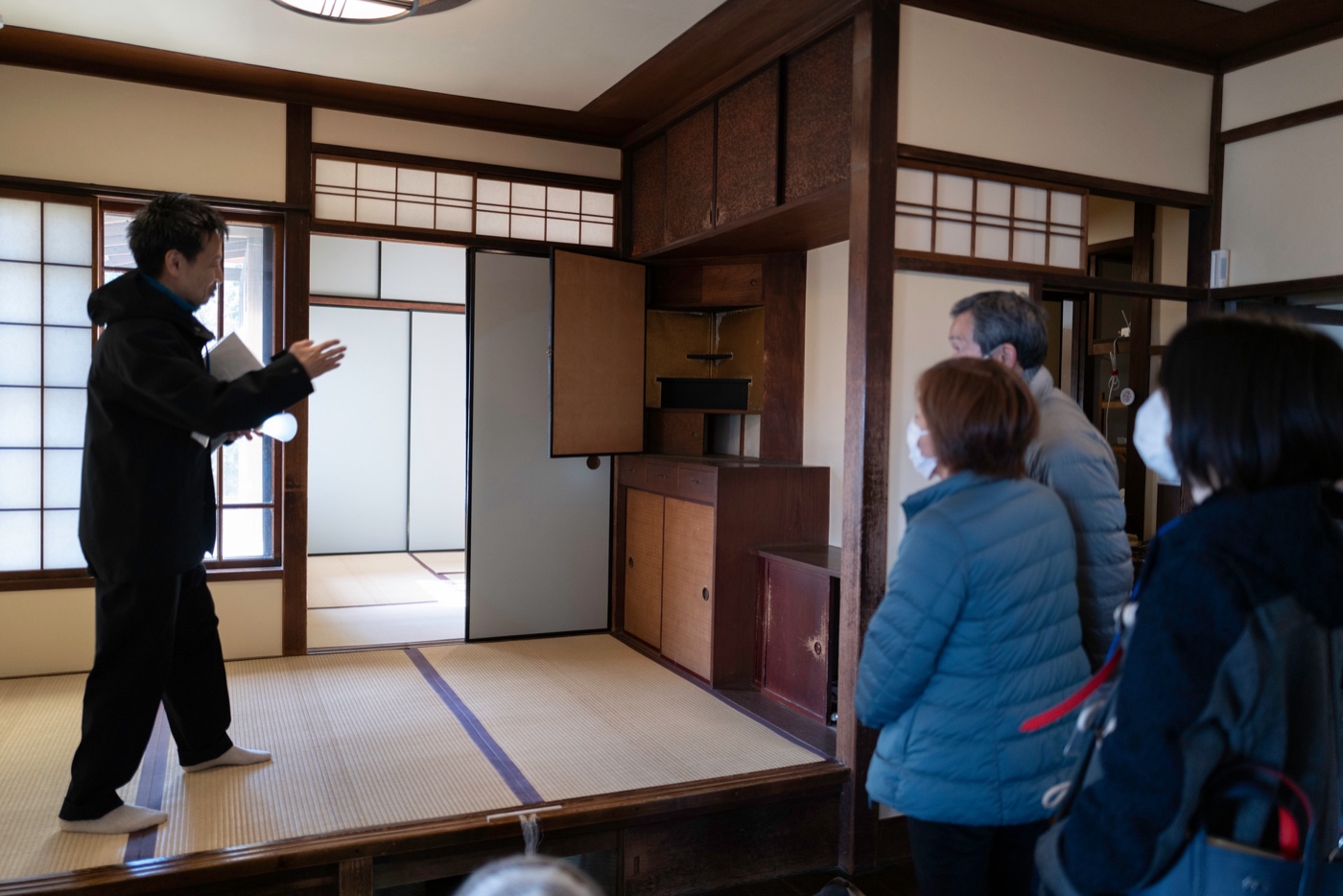
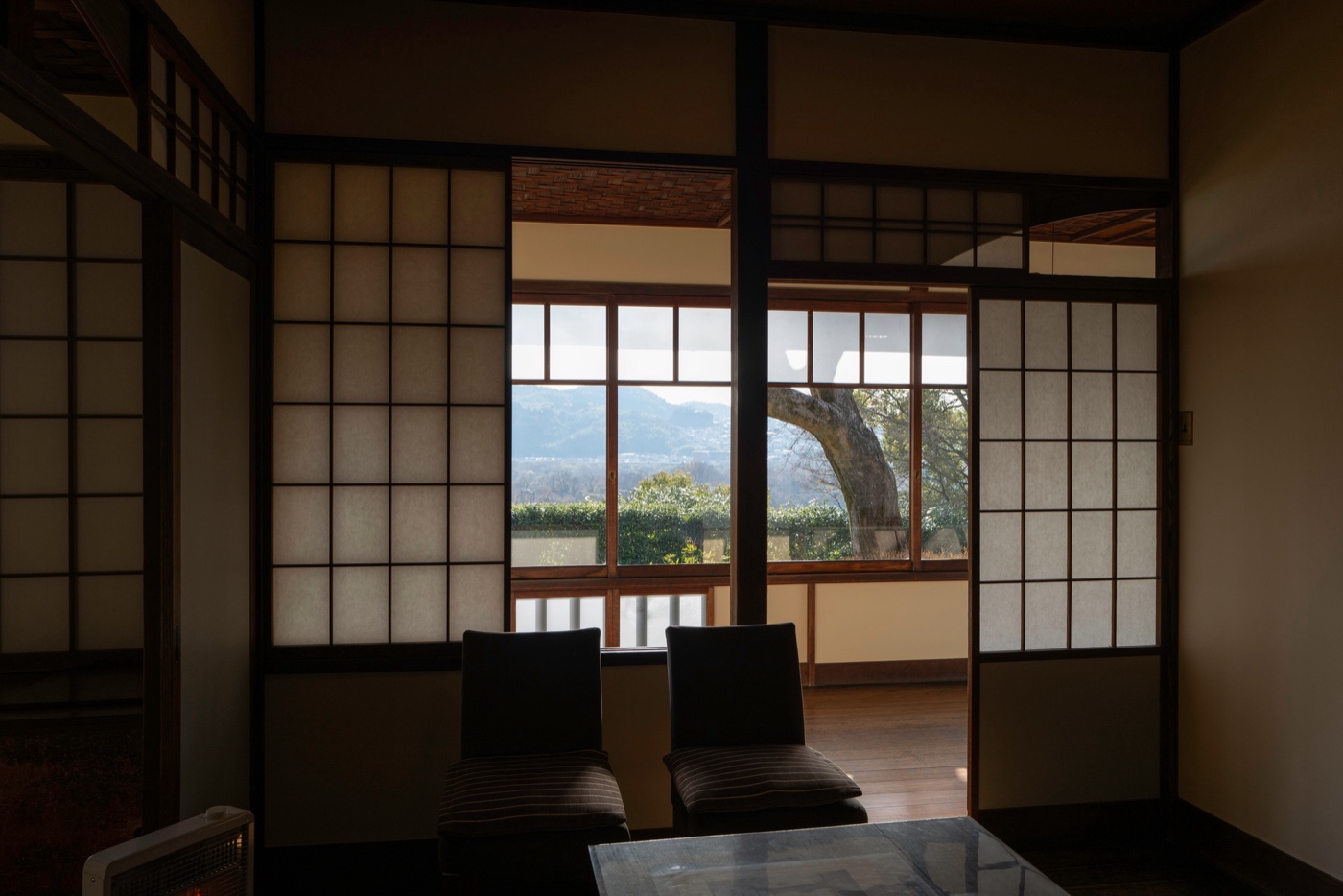
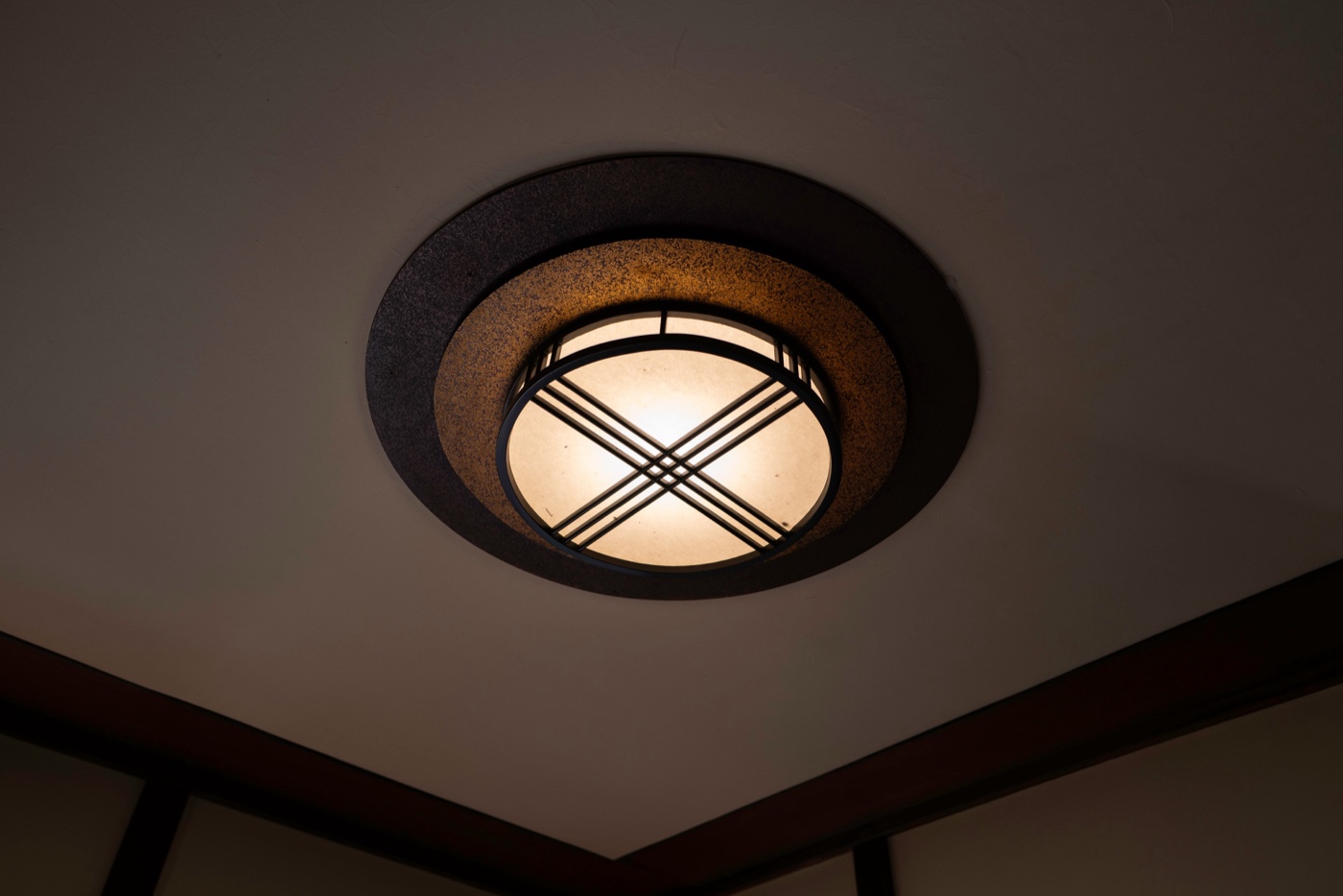
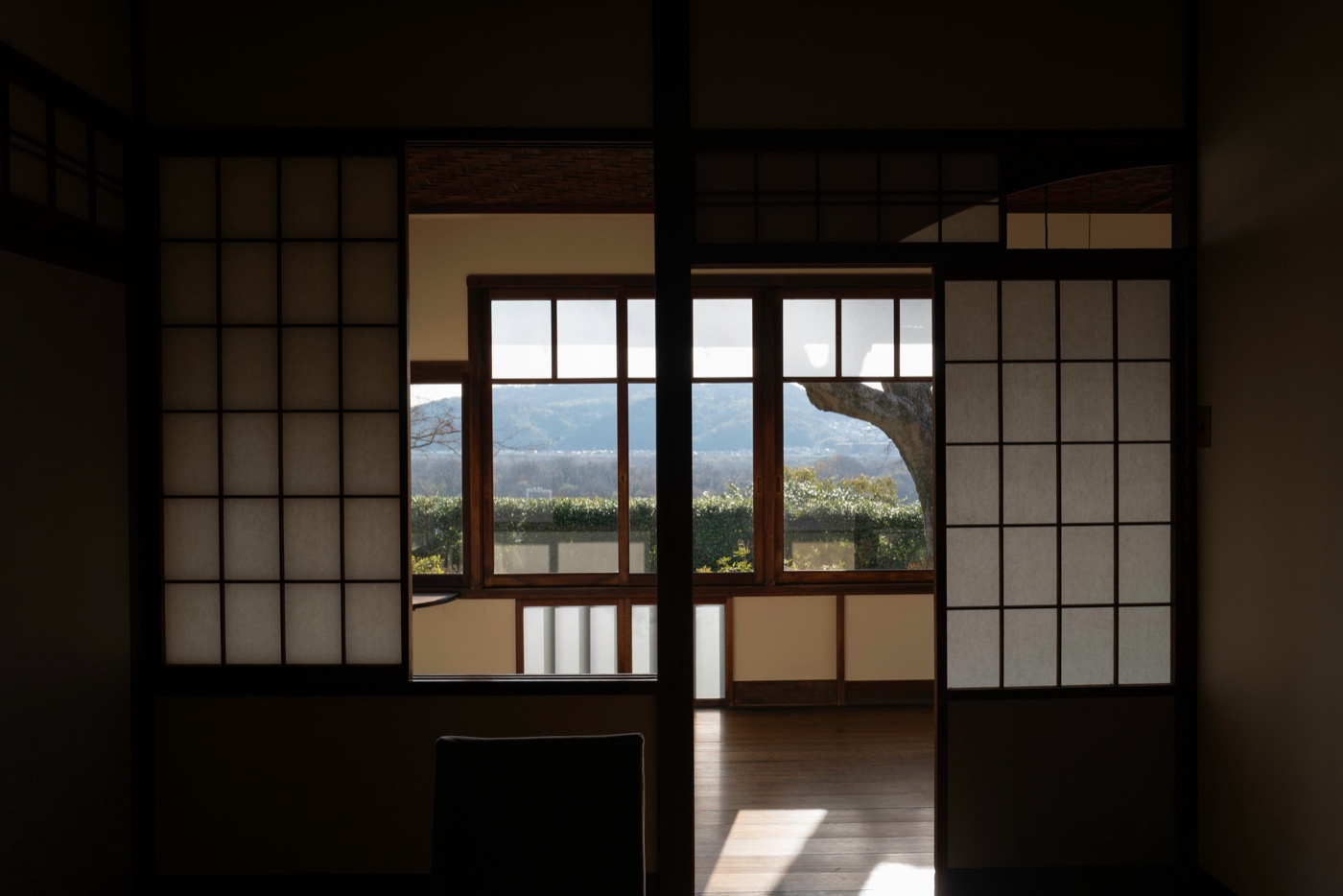
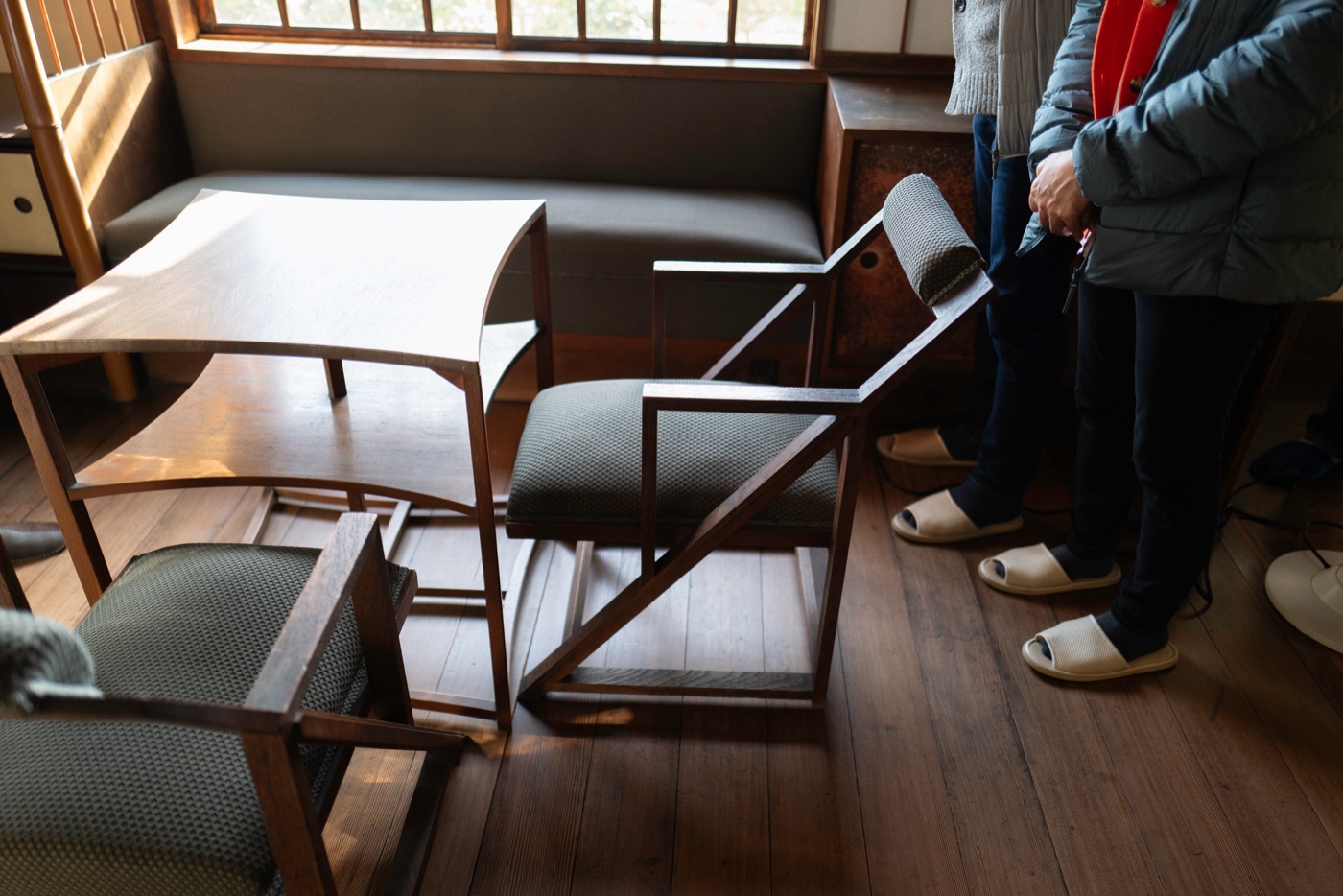
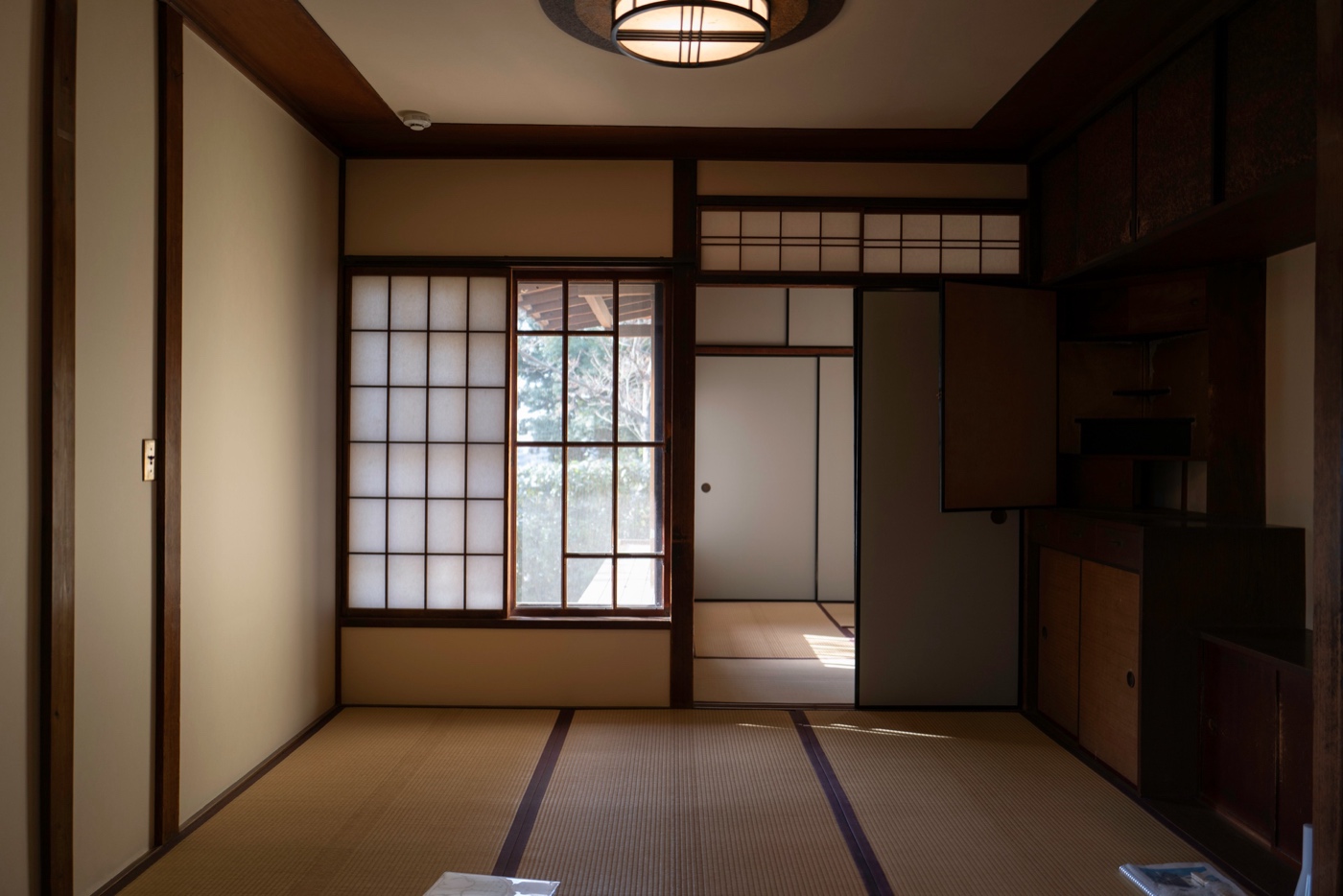
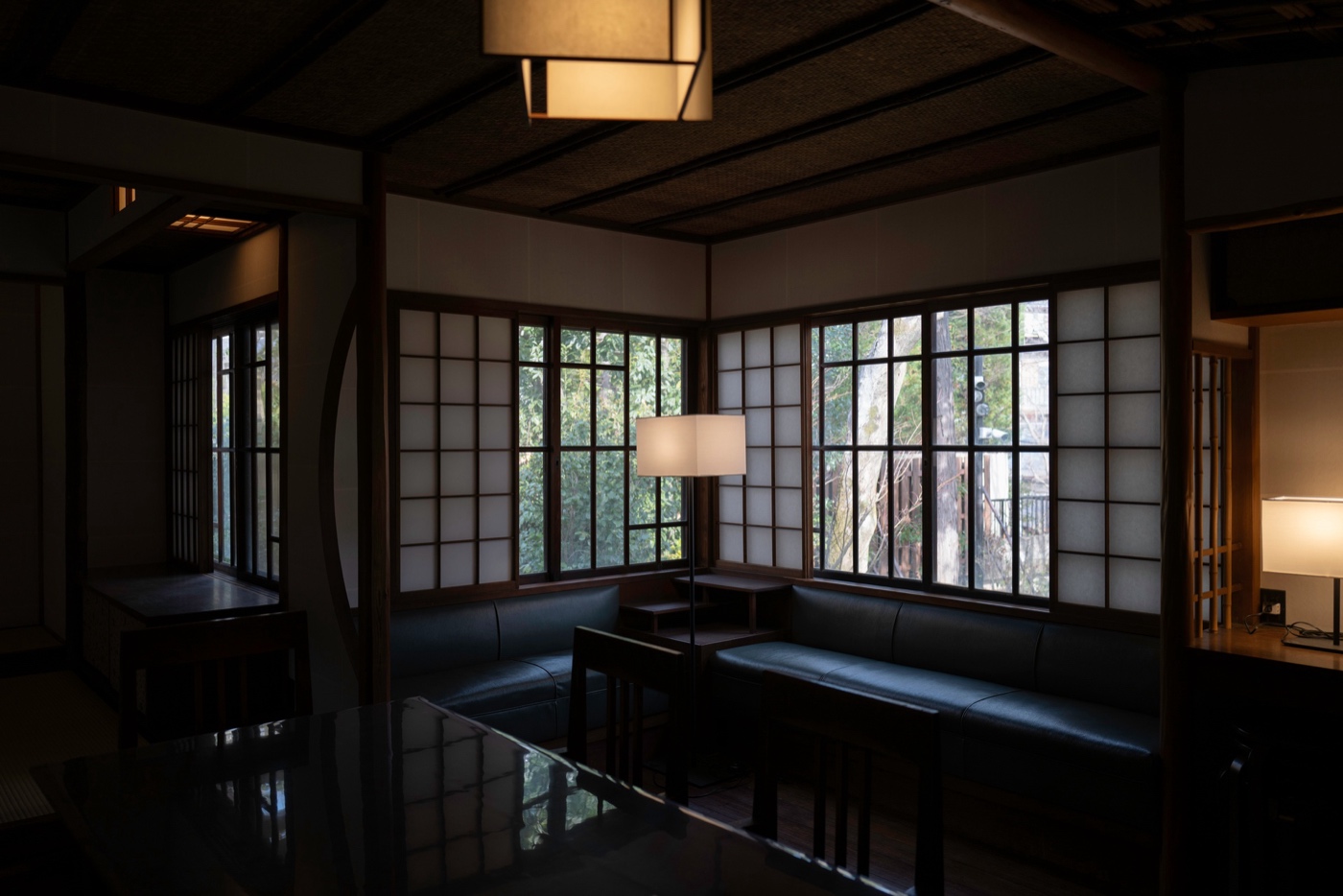
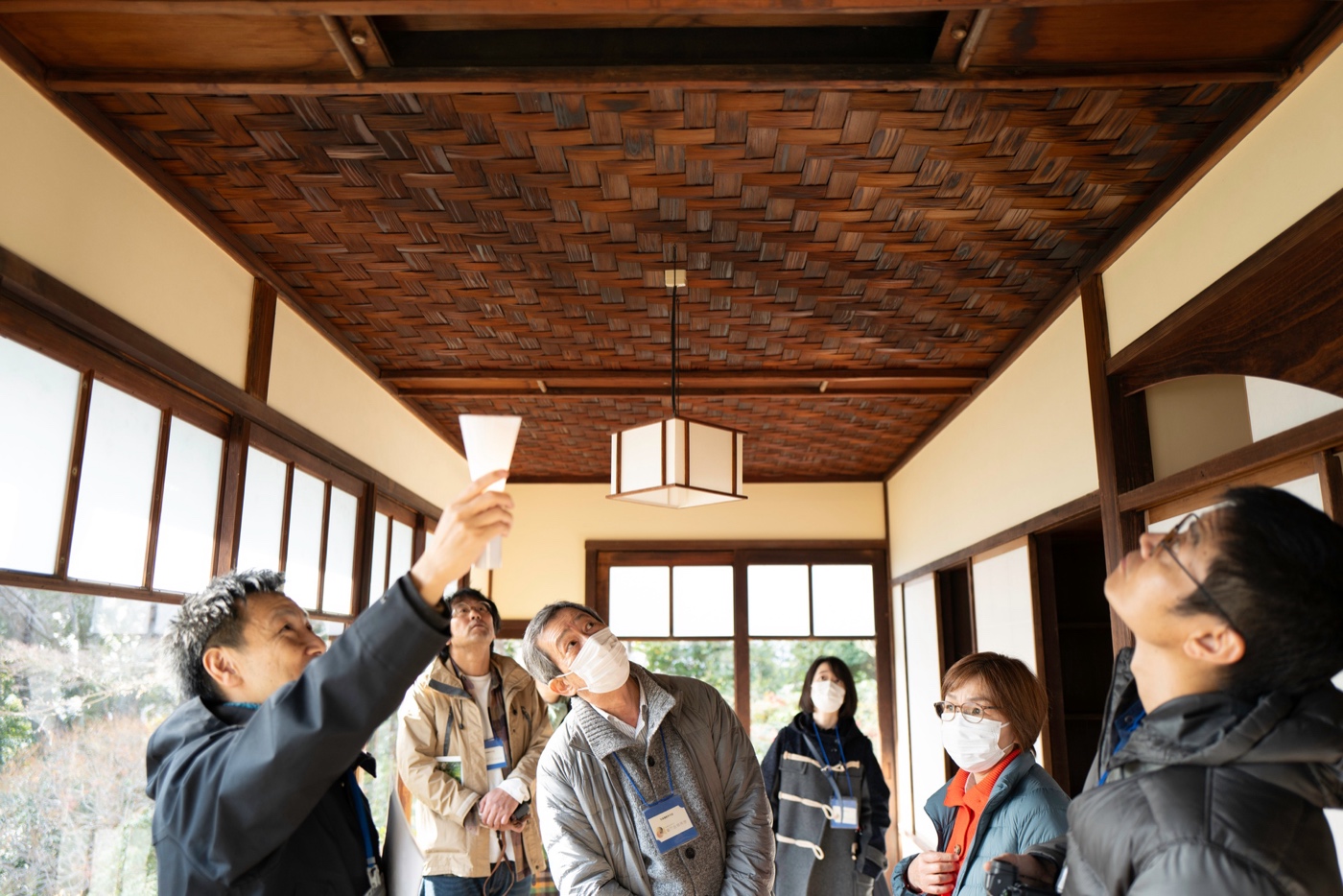
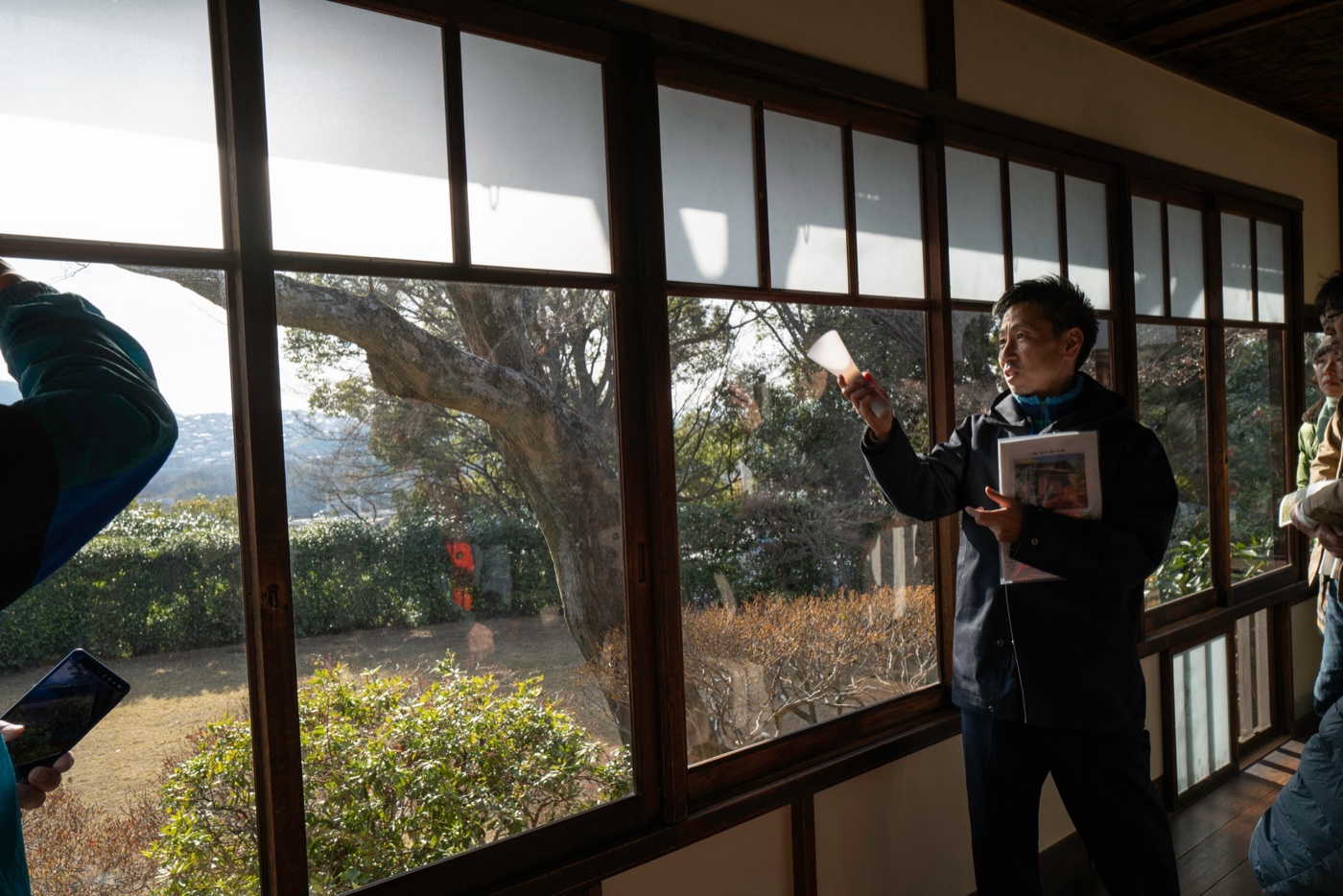
Chochikukyo, completed in 1928 on a hillside in Oyamazaki between Kyoto and Osaka, is the house that architect Koji Fujii built for himself after years of studying how Japanese buildings should respond to their climate. Every element is an experiment: the orientation, the cross-ventilation channels cut beneath the floors, the deep eaves calibrated to the angle of summer and winter sun, the sliding walls that reconfigure the rooms as the seasons change. Visiting it is an architectural education in itself. You see, in one building, the moment when traditional Japanese construction met modern environmental thinking, decades before the rest of the world arrived at the same questions. Japanspecialist arranges the advance booking required to visit, as the house is open only on limited days and admits small numbers.
Yamato Transport's takkyubin service is one of the quiet marvels of travelling in Japan. Hand over your suitcase at the hotel reception in the morning, and by the next afternoon it is waiting for you at your next ryokan or hotel, anywhere in the country, for the price of a taxi ride. You board the Shinkansen with a day bag. Your luggage travels ahead, arriving before you do.
On an itinerary that moves between Tokyo, Odawara, the Seto Inland Sea islands, and Kyoto, this service transforms the journey. It means cycling Naoshima unburdened, boarding ferries without hauling a roller bag across gangways, and catching trains without the choreography of heavy luggage on narrow platforms. Japanspecialist coordinates the Yamato forwarding at every stage of the trip as standard, so you never think about your suitcase until you are back in the room with it.

Part of JTB Group
Japanspecialist builds art-focused itineraries for the Swiss market, coordinating the details that make these trips possible: permit applications, timed-entry bookings, train tickets, ferry scheduling, bicycle hire, and luggage forwarding. Availability may vary depending on season and booking conditions.