The Concept of Borderless Art
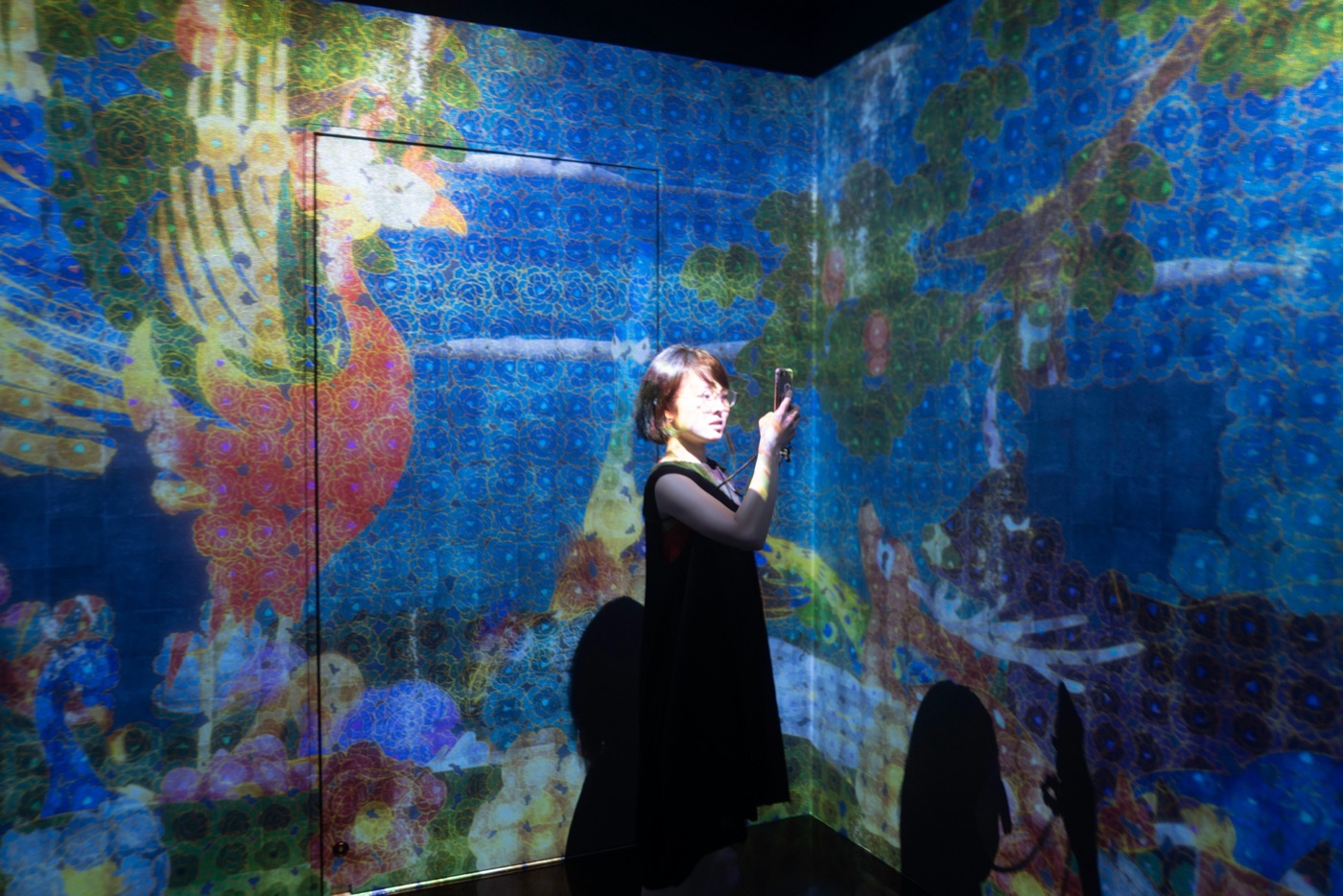
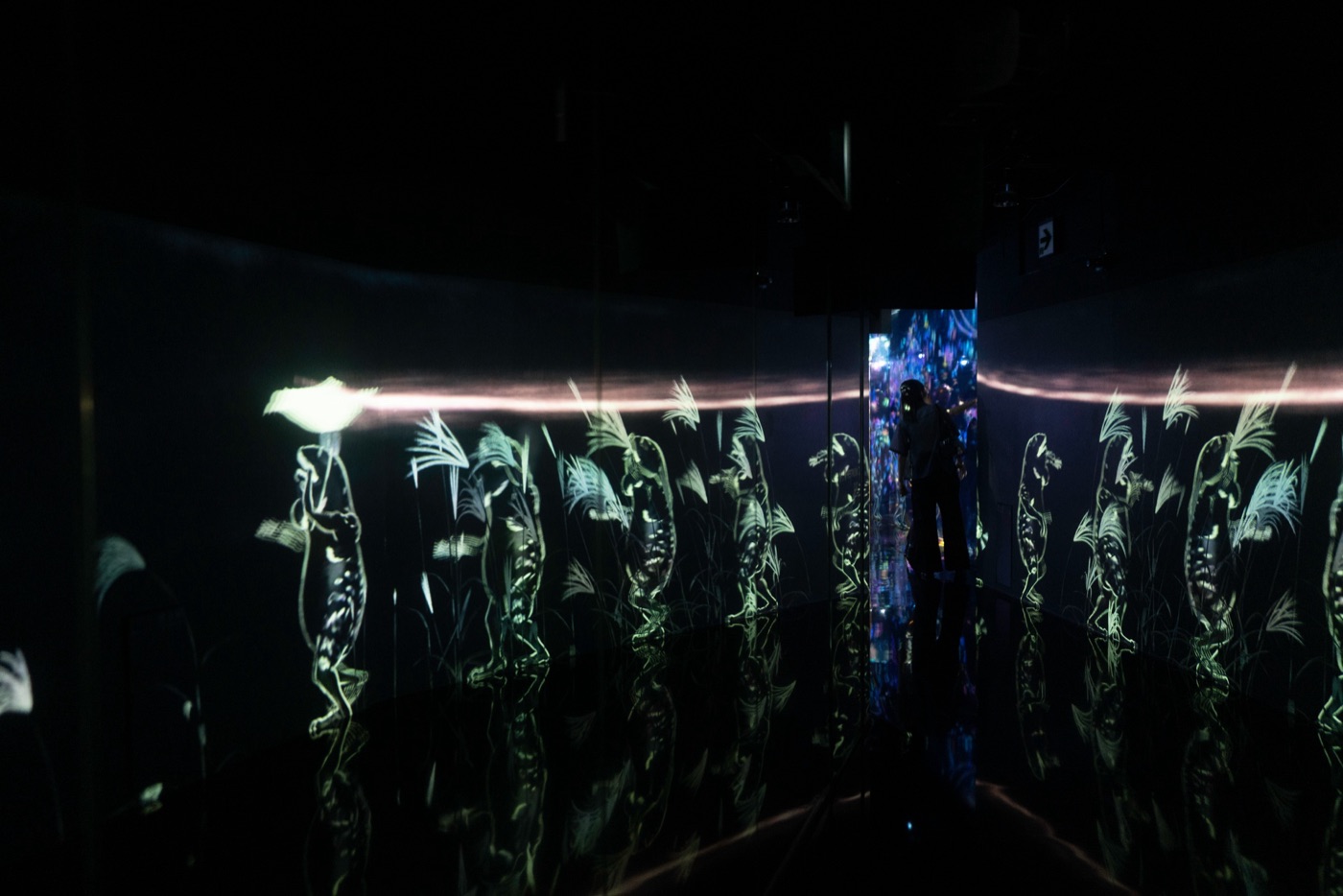
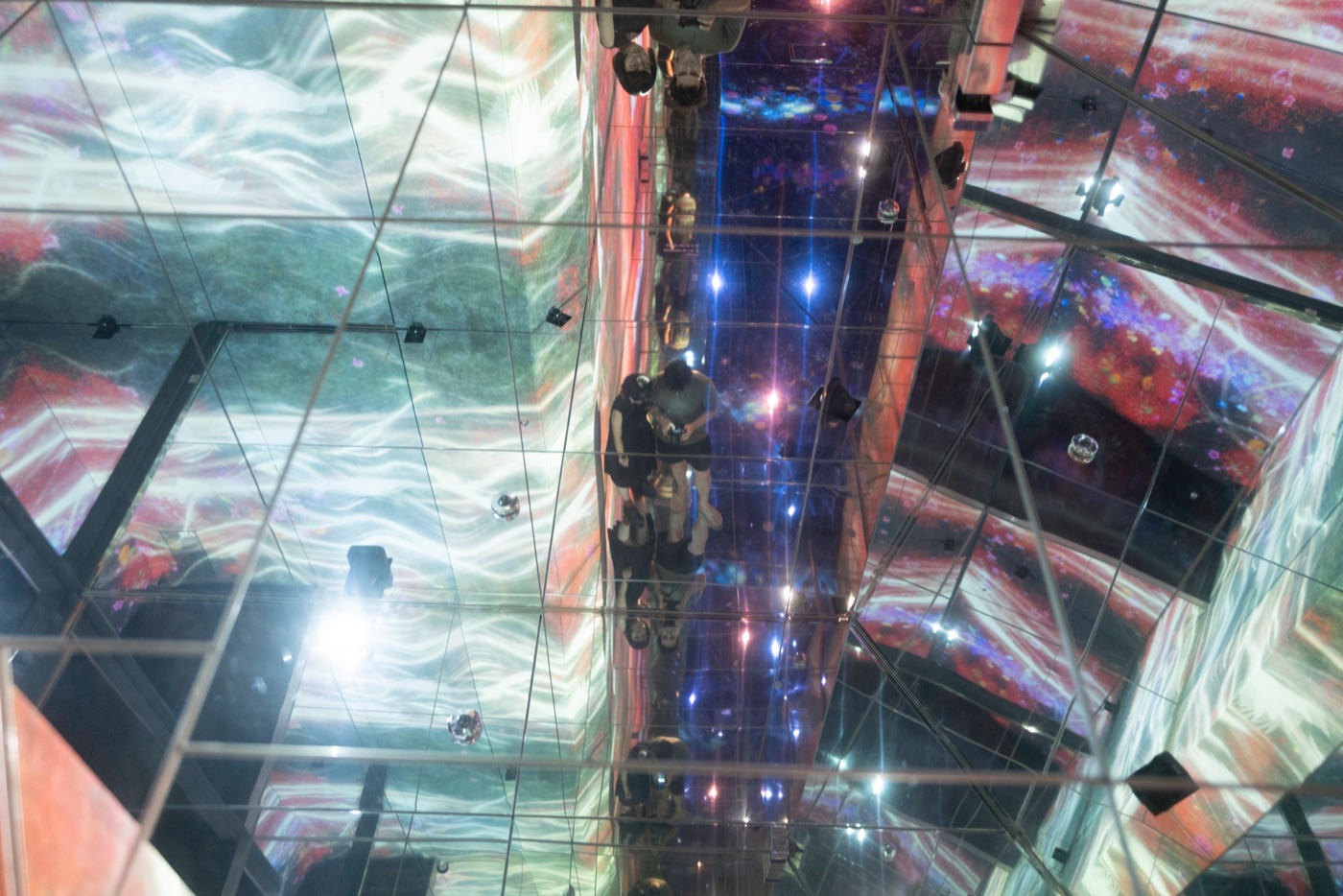
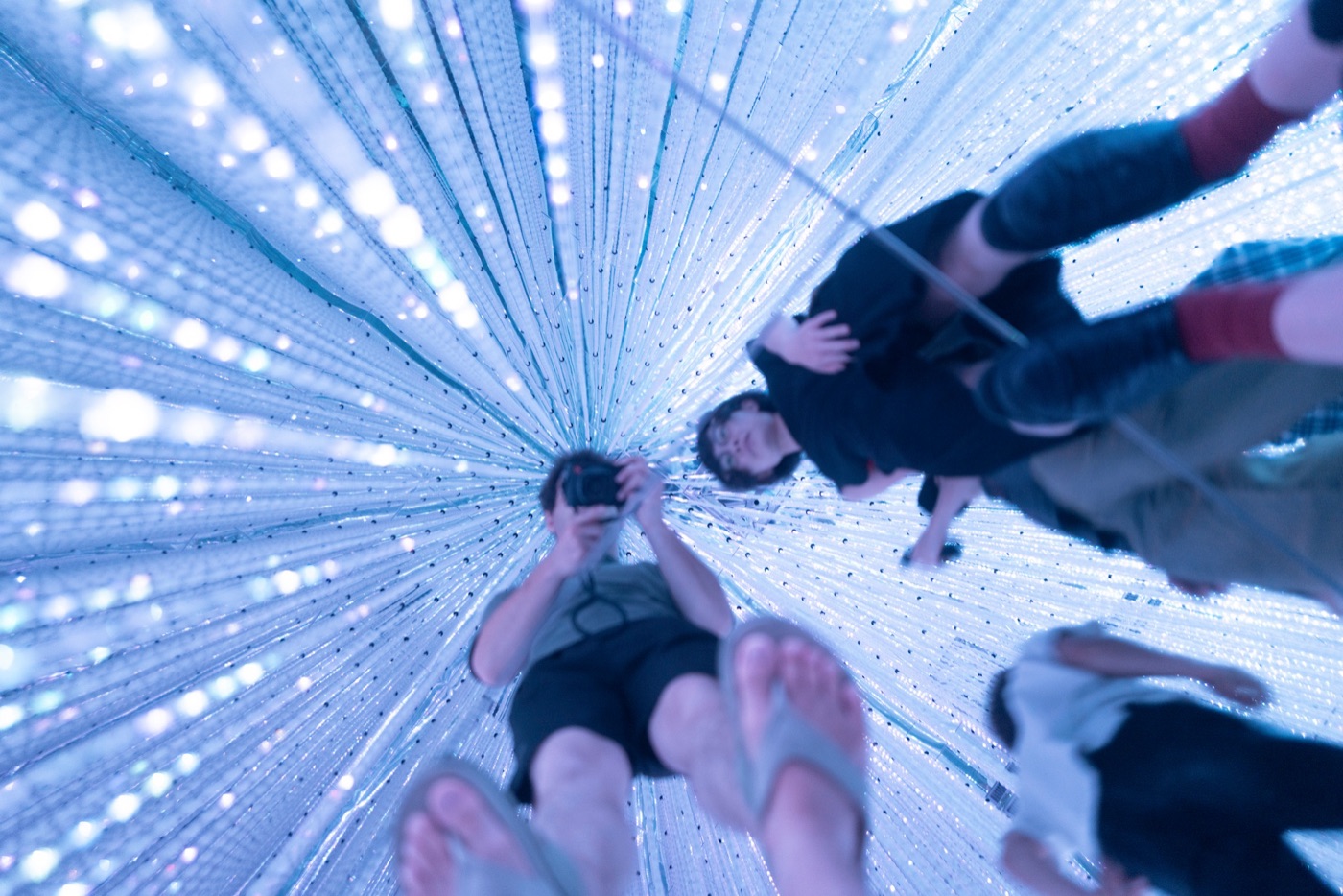
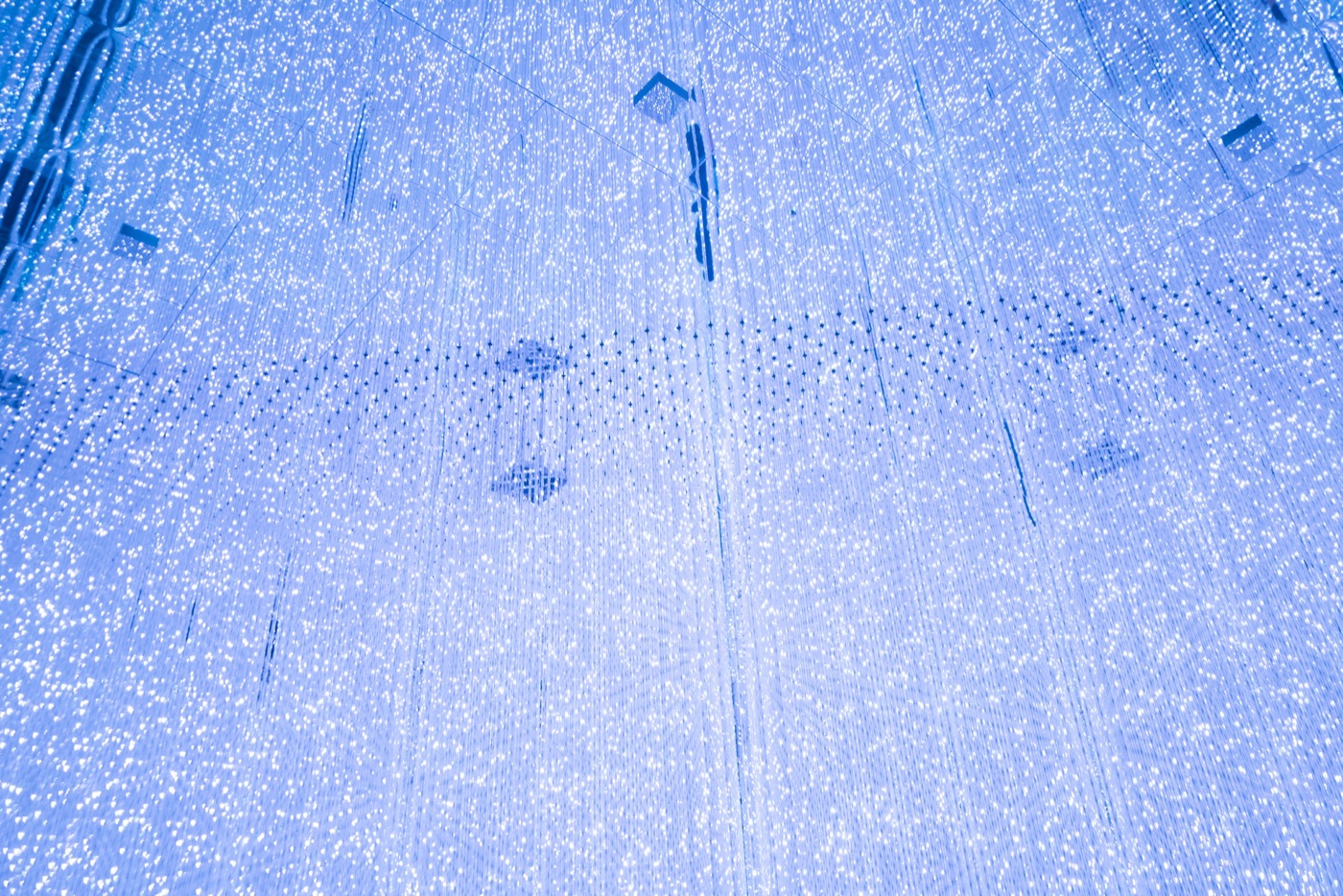
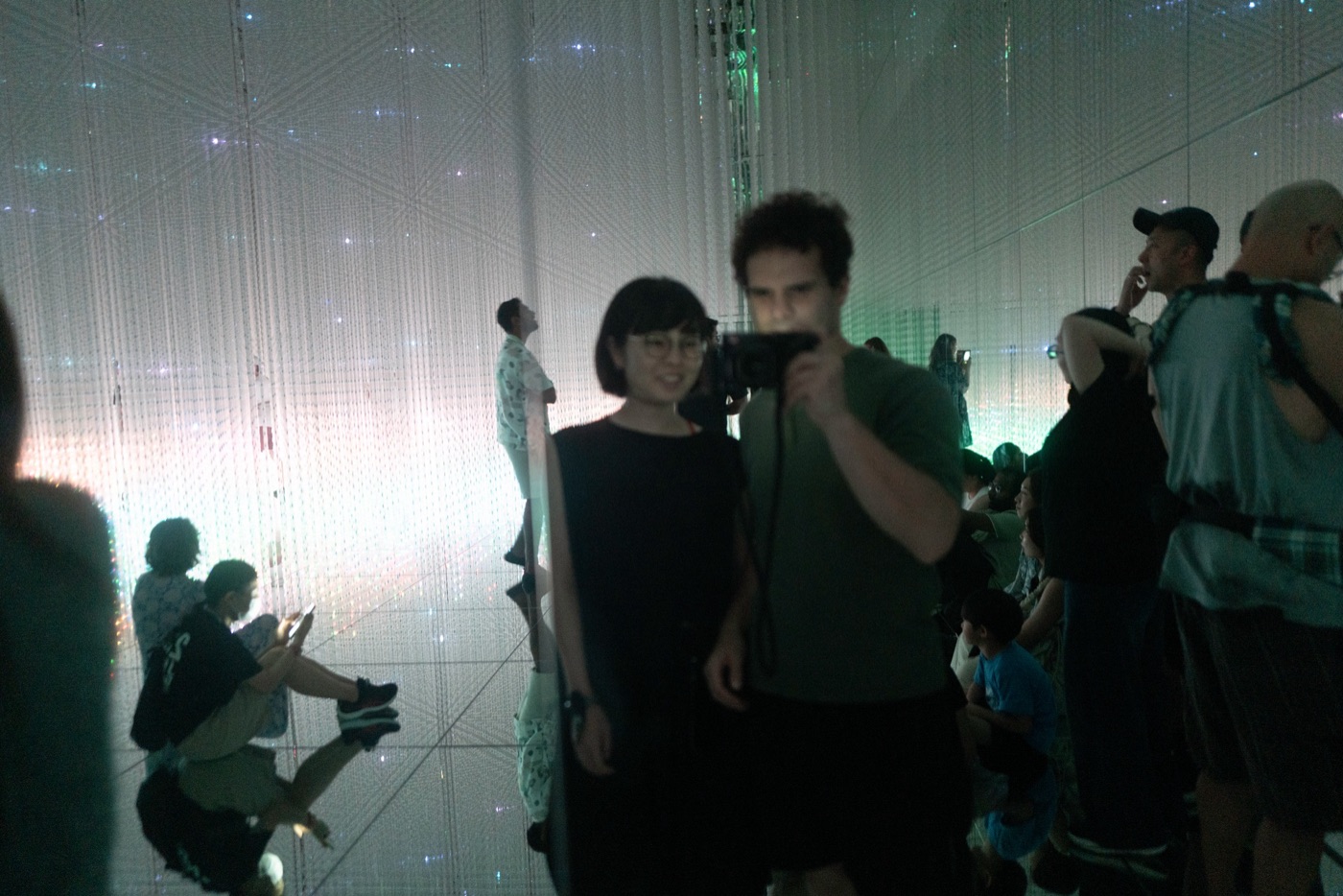
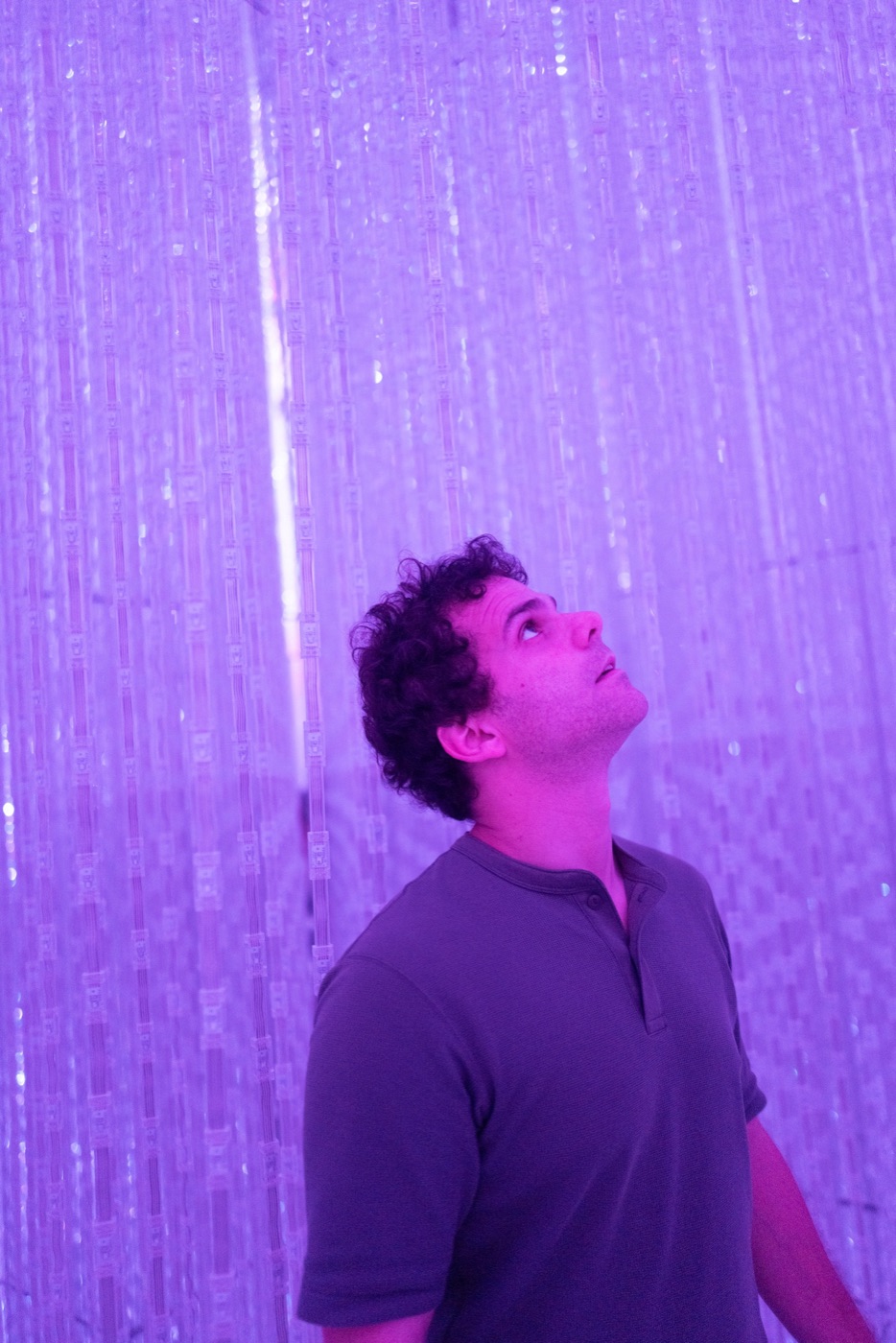
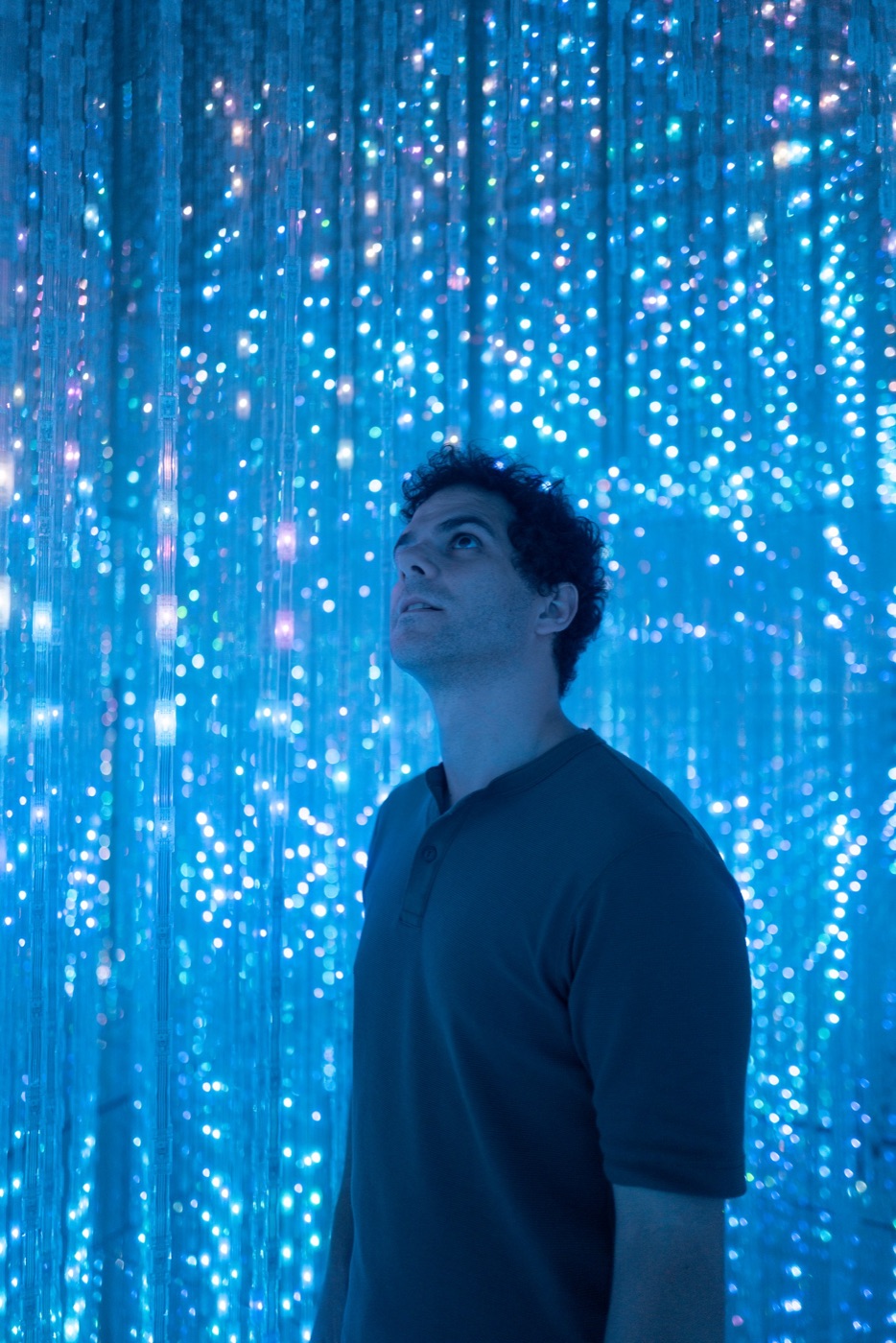
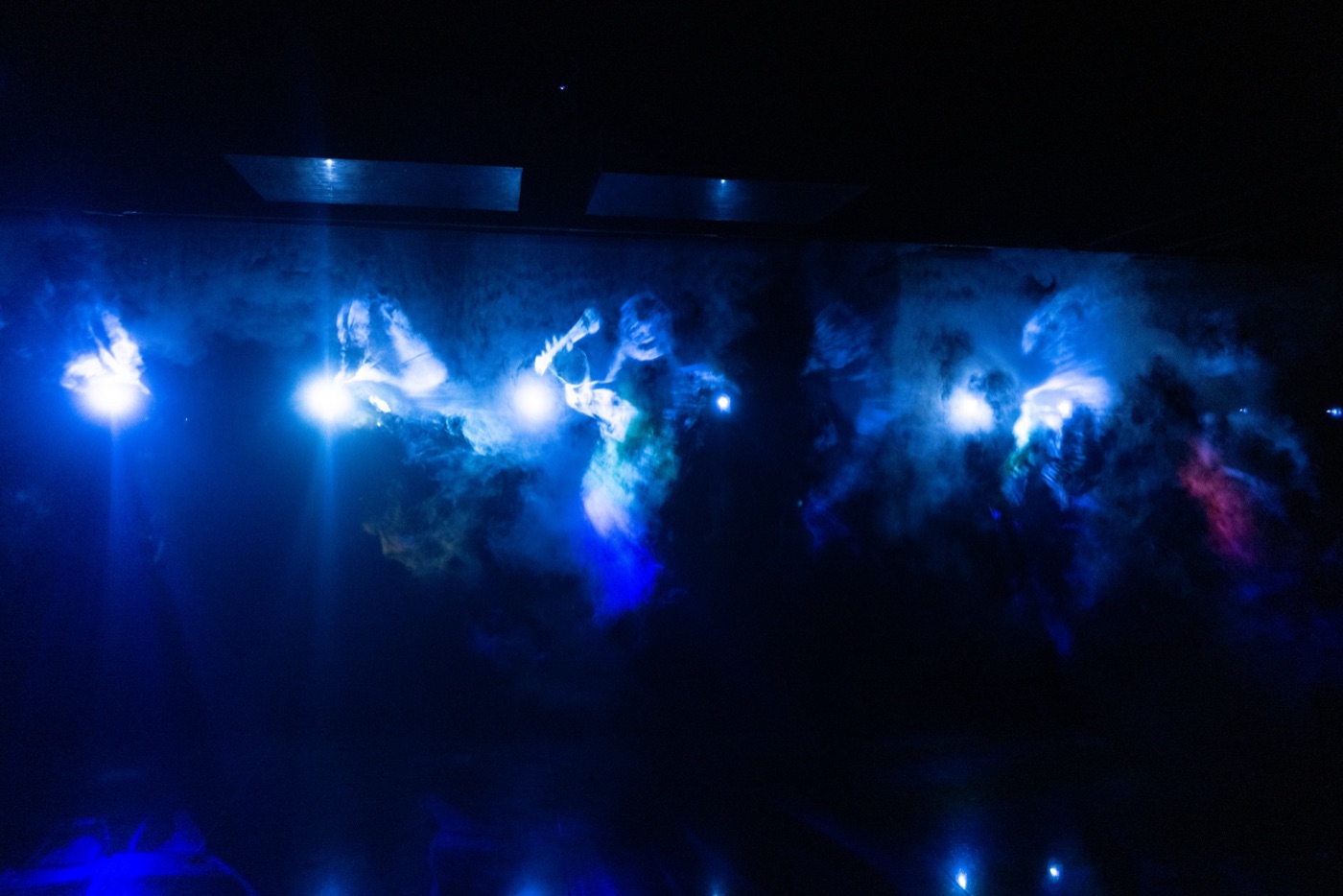
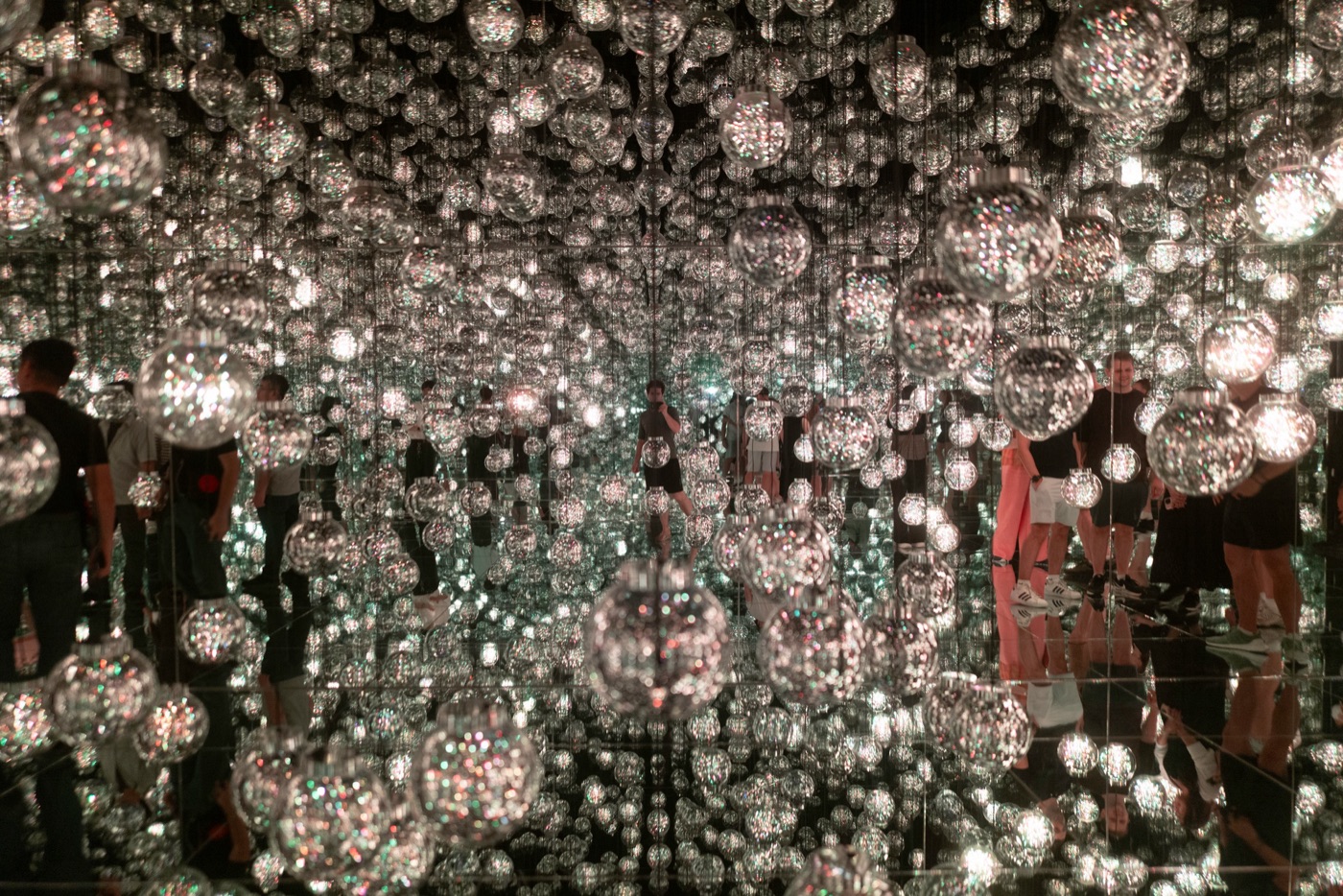
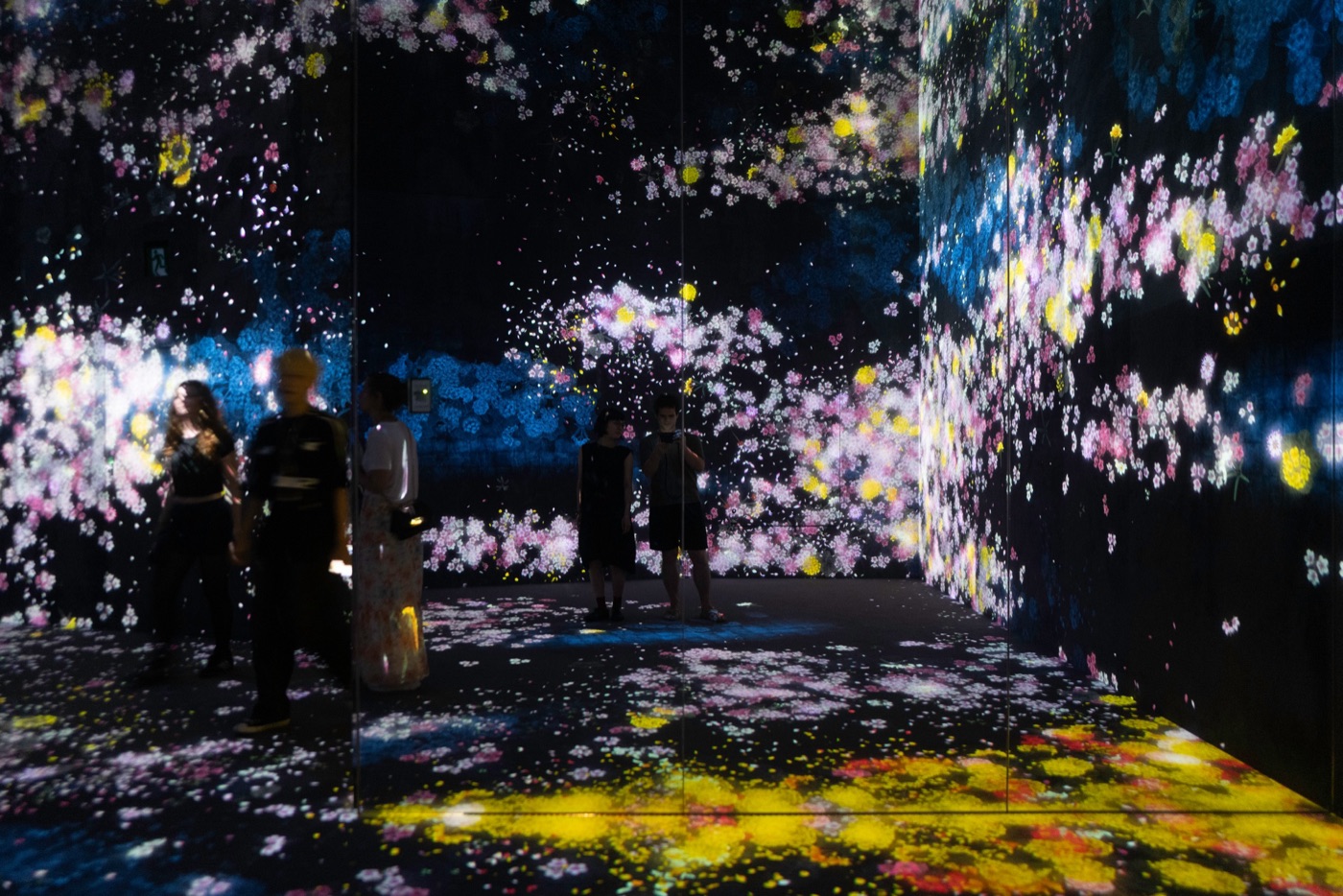
teamLab Borderless is built on a radical idea: artworks are not confined to frames, walls, or even rooms. Instead, digital projections move freely through the space, flowing out of one room and into another, merging with other works, and responding to the presence of visitors. There is no prescribed route, no numbered sequence, and no map. You are meant to get lost. The museum’s designers intentionally created a labyrinthine layout where corridors lead to unexpected spaces and artworks appear and disappear depending on the time of day and the behavior of other visitors. Two people visiting on the same day may have entirely different experiences, which is precisely the point.
A New Home at Azabudai Hills
The original teamLab Borderless opened in Odaiba in 2018 and quickly became one of Tokyo’s most visited cultural attractions. When it closed in 2022, fans wondered whether it would return. In 2024, Borderless reopened in a new permanent home at Azabudai Hills, the massive mixed-use development in central Tokyo between Roppongi and Kamiyacho. The new location is larger and more refined than the Odaiba original, with improved spatial design and new artworks created specifically for the space. Azabudai Hills itself is worth exploring — the complex includes gardens, restaurants, and the Mori JP Tower, making it easy to spend a full afternoon in the area. The nearest stations are Kamiyacho on the Hibiya Line and Roppongi-Itchome on the Namboku Line.
Wandering Through the Rooms
The best approach to Borderless is to abandon any attempt at efficiency. Follow the art. When a stream of digital butterflies drifts past you, walk in their direction and see where they lead. Rooms shift and transform — a space filled with cascading waterfalls may gradually transition into a field of sunflowers as one artwork recedes and another takes its place. Some installations respond directly to touch: flowers bloom where your hand meets the wall, or calligraphy characters dissolve into their elemental meanings when you reach toward them. The Athletic Forest, a physically interactive zone, challenges visitors to hop between projected surfaces and navigate three-dimensional light environments. Children and adults alike find themselves absorbed in these playful spaces.
How Borderless Differs from Planets
Visitors often ask whether to choose Borderless or Planets, and the answer depends on what kind of experience you seek. teamLab Planets in Toyosu is a linear, physical journey — you walk barefoot through water installations in a set sequence. It is concentrated, intense, and deeply sensory. Borderless, by contrast, is expansive and exploratory. You set your own pace and your own path. Planets focuses on the body’s relationship with art; Borderless focuses on the art’s relationship with space. Many Tokyo visitors find time for both, and the experiences are complementary rather than repetitive. If you only have time for one, Planets suits those who want a visceral, immersive encounter, while Borderless rewards curiosity and patience.
The EN Tea House
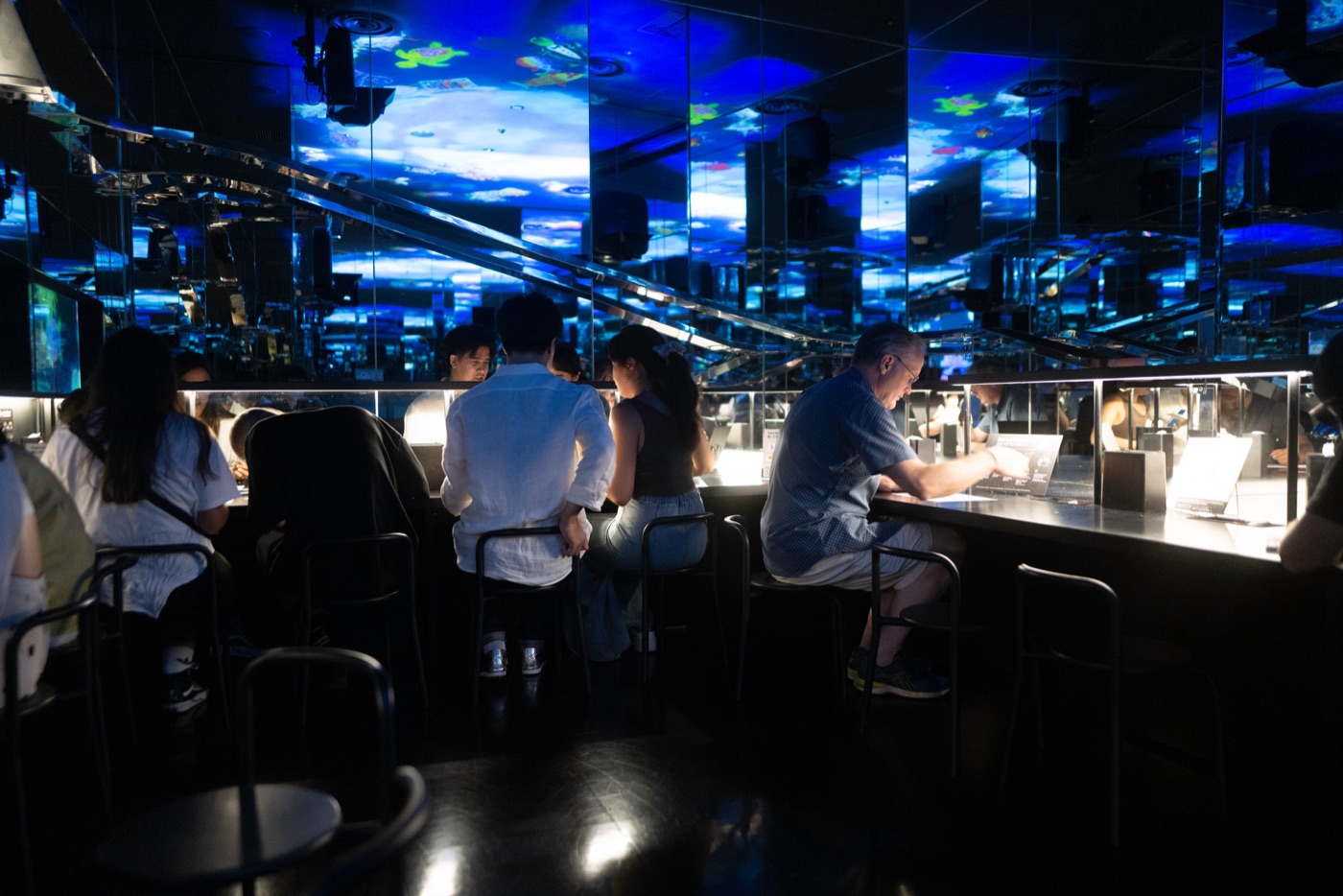
One of the most memorable features of Borderless is the EN Tea House, where visitors can order a bowl of matcha or a cold drink and watch as digital flowers bloom inside their tea. The projections respond to the cup’s position, with blossoms cascading outward from the vessel and across the table as you drink. It is a small, meditative moment in the midst of a visually overwhelming museum. The tea house has limited seating and often requires a wait, so visiting during off-peak hours — early on weekday mornings — improves your chances. The tea itself is good, sourced from reputable producers, and the experience of sipping while art unfolds around you captures the spirit of Borderless in miniature.