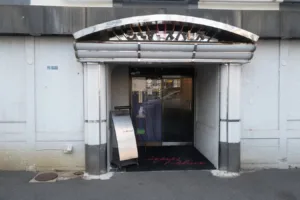
Understanding Soaplands: A Cultural and Historical Overview
When diving into the unique cultural aspects of Japan, one may encounter the complex and often misunderstood world of “soaplands.” Found in various nightlife districts across the country, these establishments represent a peculiar facet of modern Japanese entertainment and legal history.
This guide aims to provide a purely factual and historical overview of what these establishments are and how they fit into the broader context of Japanese society.
What is a Soapland?
Historically, Japan has had a long and complex relationship with entertainment and nightlife districts. The modern iteration of specialized bathhouses, known as Soaplands, emerged in the post-war era as a response to changing regulations.
Today, these establishments operate under a unique legal framework. They navigate the Adult Entertainment Law through a technical loophole: the establishments operate officially as private bathing facilities. Customers pay a fee to use the bath, and the service providers (often referred to as “Soap Girls”) are technically independent contractors who rent the space.
The Cultural Context and Legal Framework
The existence of these businesses highlights a unique aspect of Japanese law, where strict regulations on adult entertainment are managed through highly specific zoning and licensing rules. Establishments are tightly clustered in designated nightlife districts, such as Yoshiwara in Tokyo or Susukino in Sapporo, where local authorities closely monitor their operations to ensure they remain within the boundaries of the Adult Entertainment Law.
While these areas are primarily known for their adult-oriented nightlife, they are also recognized as historically significant entertainment hubs. Many of these districts trace their roots back to the Edo period when they served as walled entertainment quarters.
About the Author
My name is Giorgio, and I am the founder of Japan Tours Switzerland. My passion lies in exploring every corner of Japan to provide practical, honest, and in-depth travel guides. My goal is to demystify complex topics and give travellers the tools they need to navigate Japan safely and respectfully. The information in this guide is based on independent travel research and is intended to be a factual resource on Japanese culture and history.
Notable Nightlife Districts in Tokyo
Ikebukuro
Ikebukuro is one of Tokyo’s largest commercial and entertainment hubs. Near the West Exit, visitors will find a variety of nightlife options, ranging from izakayas to specialized bathhouses.
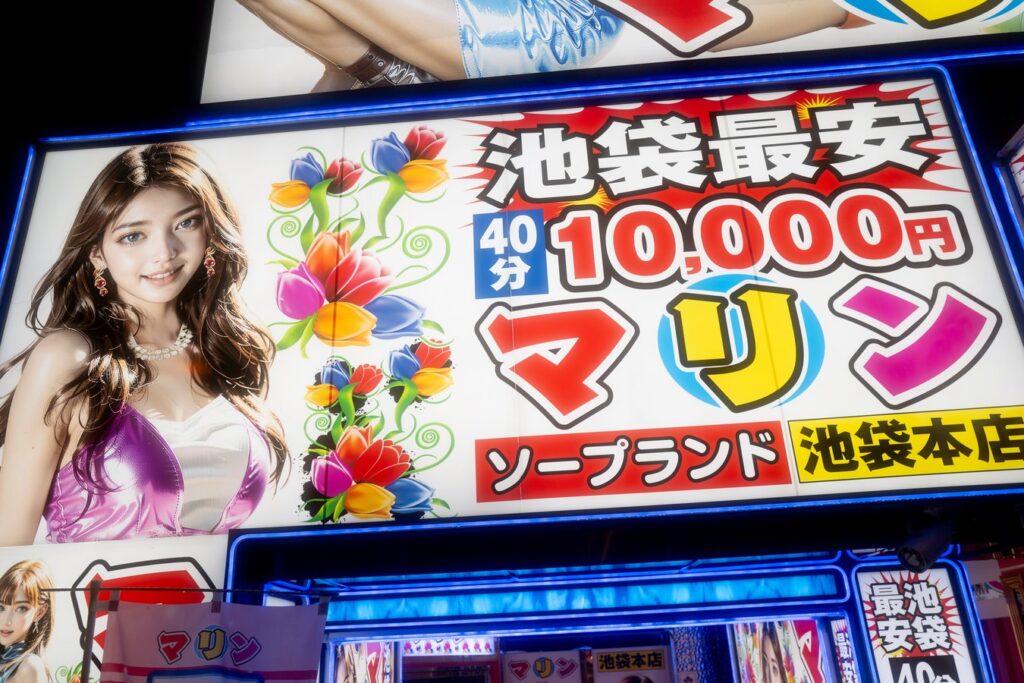
While the neon signs often advertise base rates for entry, it is common for the total cost of nightlife activities in these areas to include various additional service charges, which are sometimes difficult for non-Japanese speakers to navigate.
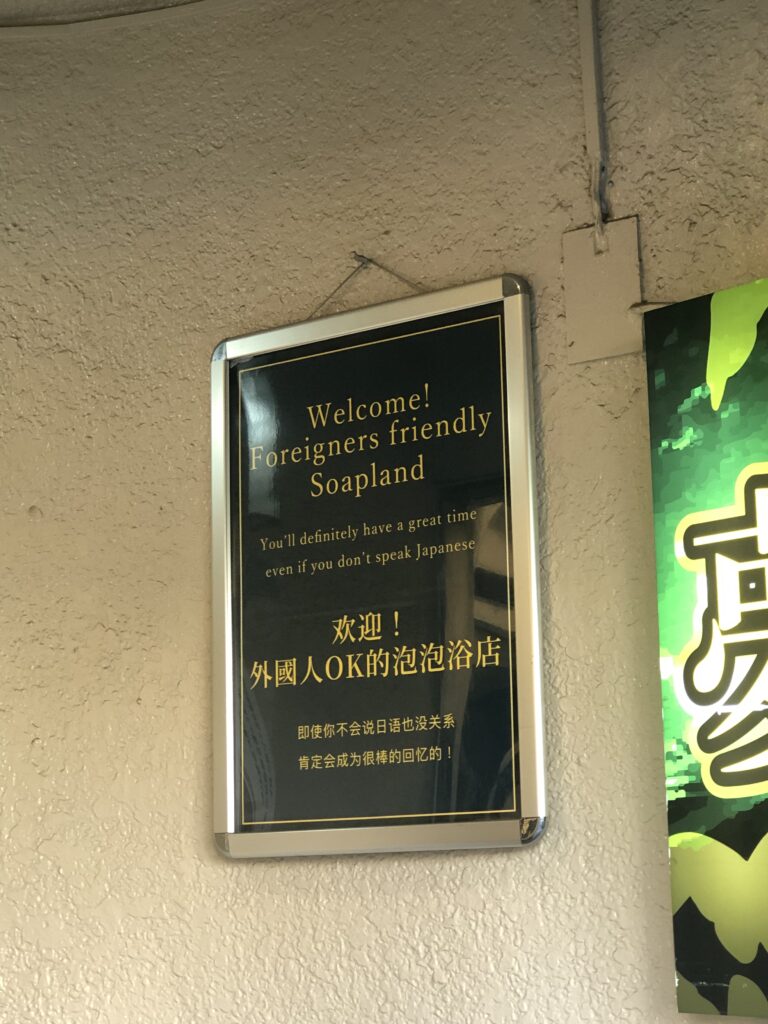
Yoshiwara
Located in the northern part of Asakusa, Yoshiwara is historically the most famous entertainment district in Tokyo. Dating back to the 17th century, it was the city’s original licensed entertainment quarter.
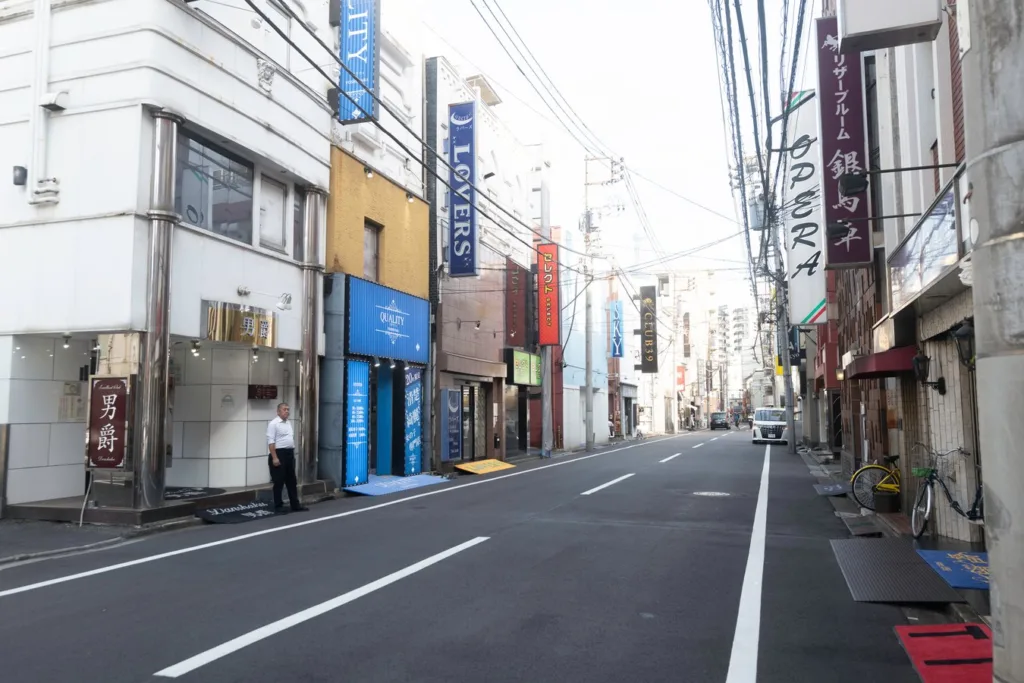
Today, Yoshiwara remains one of the largest concentrations of specialized bathhouses in Japan. Despite its modern transformation, the area retains a deep historical significance and is often the subject of sociological and historical studies regarding Japan’s nightlife evolution.