A Neighborhood Shaped by History
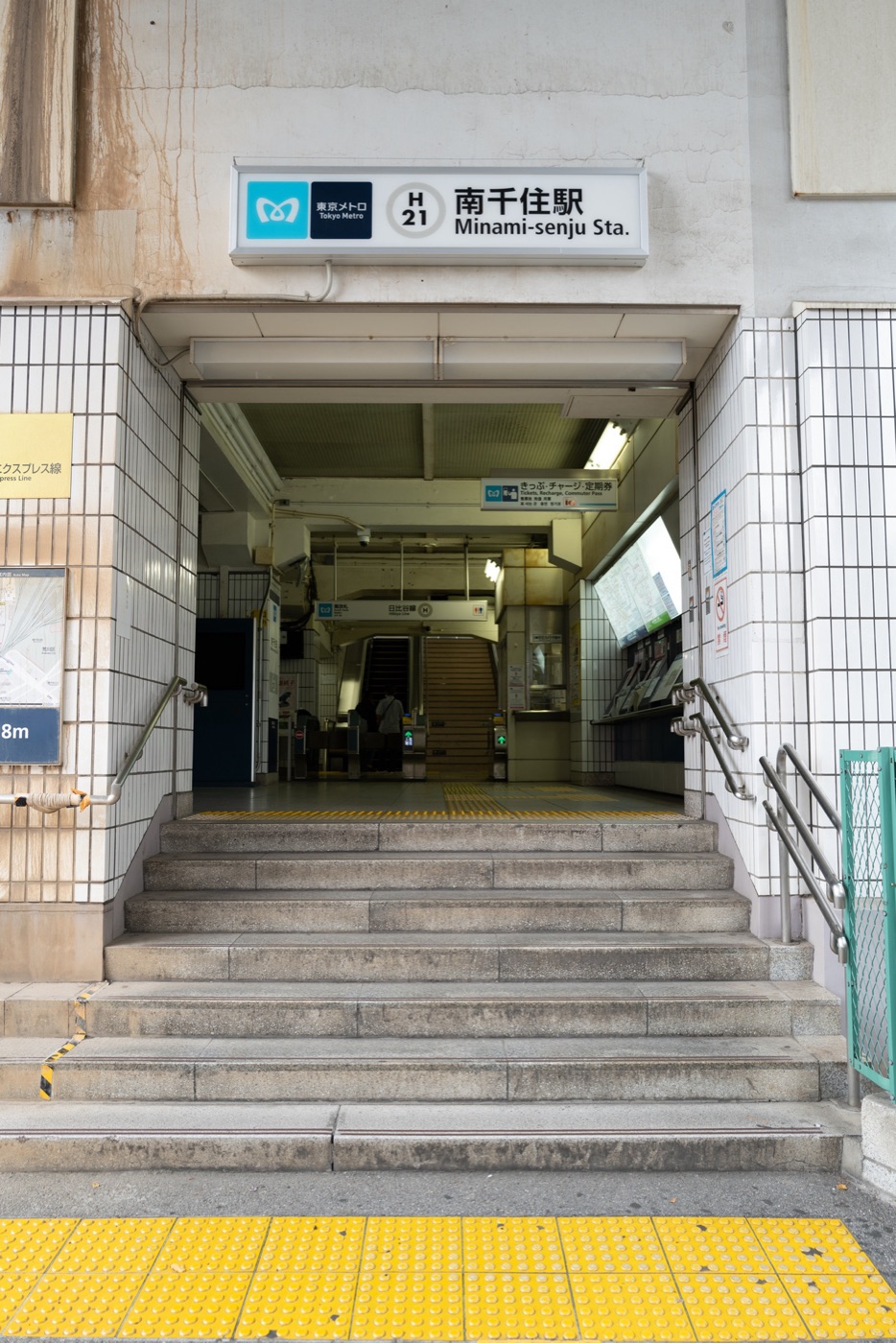
Sanya does not appear on modern maps. The name was officially removed by Tokyo authorities in 1966 in an effort to erase the stigma attached to the area, but locals and historians continue to use it. Located in the northeastern corner of Taito ward, near Minami Senju station, Sanya served for decades as Tokyo’s largest yoseba — a gathering point where day laborers found construction and manual work each morning. During Japan’s postwar economic boom, thousands of men passed through Sanya daily, building the infrastructure of modern Tokyo while living in cramped dormitories called doya. The neighborhood’s history is one of hard labor, social marginalization, and a community that developed its own rules and rhythms far from the polished surfaces of central Tokyo.
The Modern Landscape
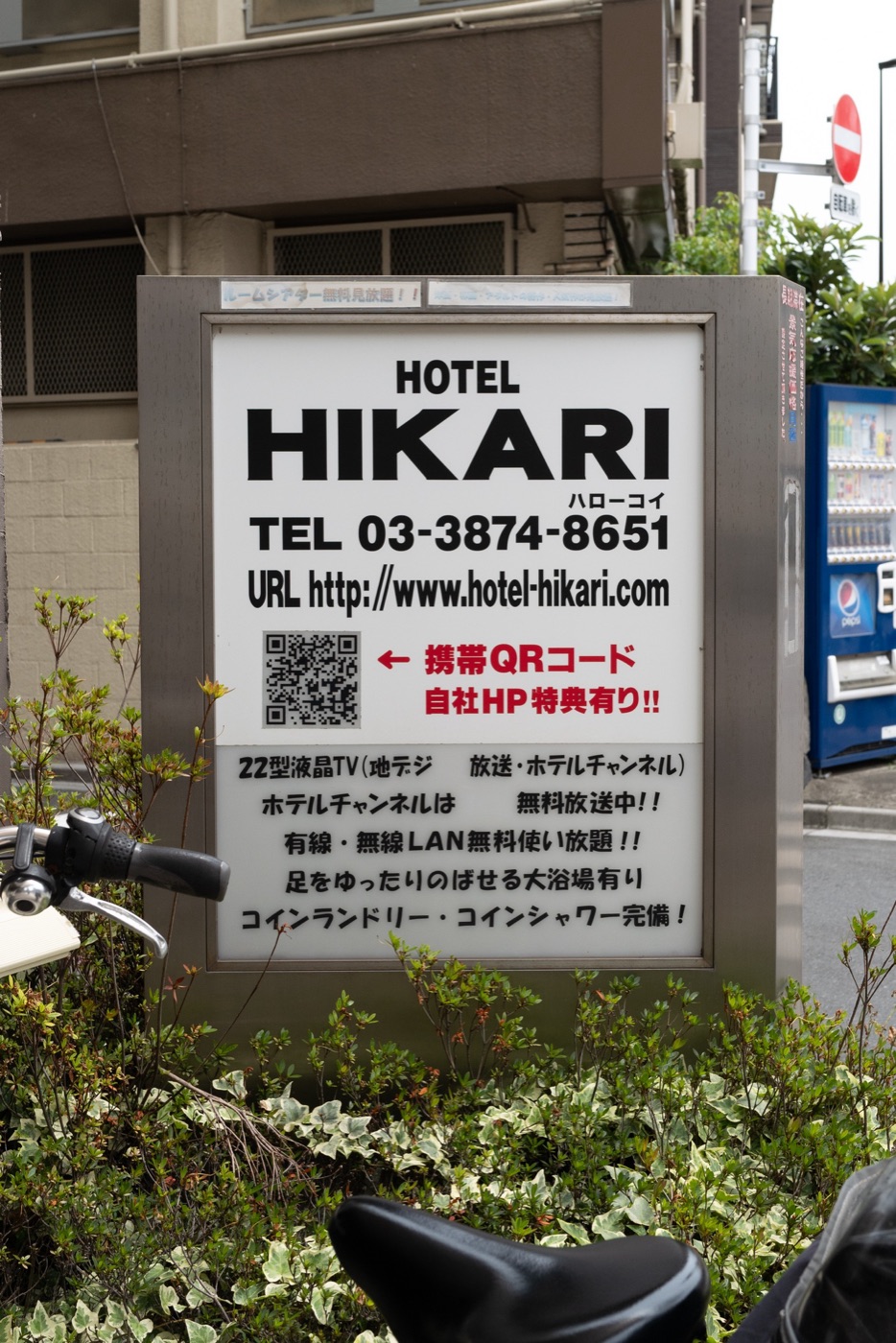
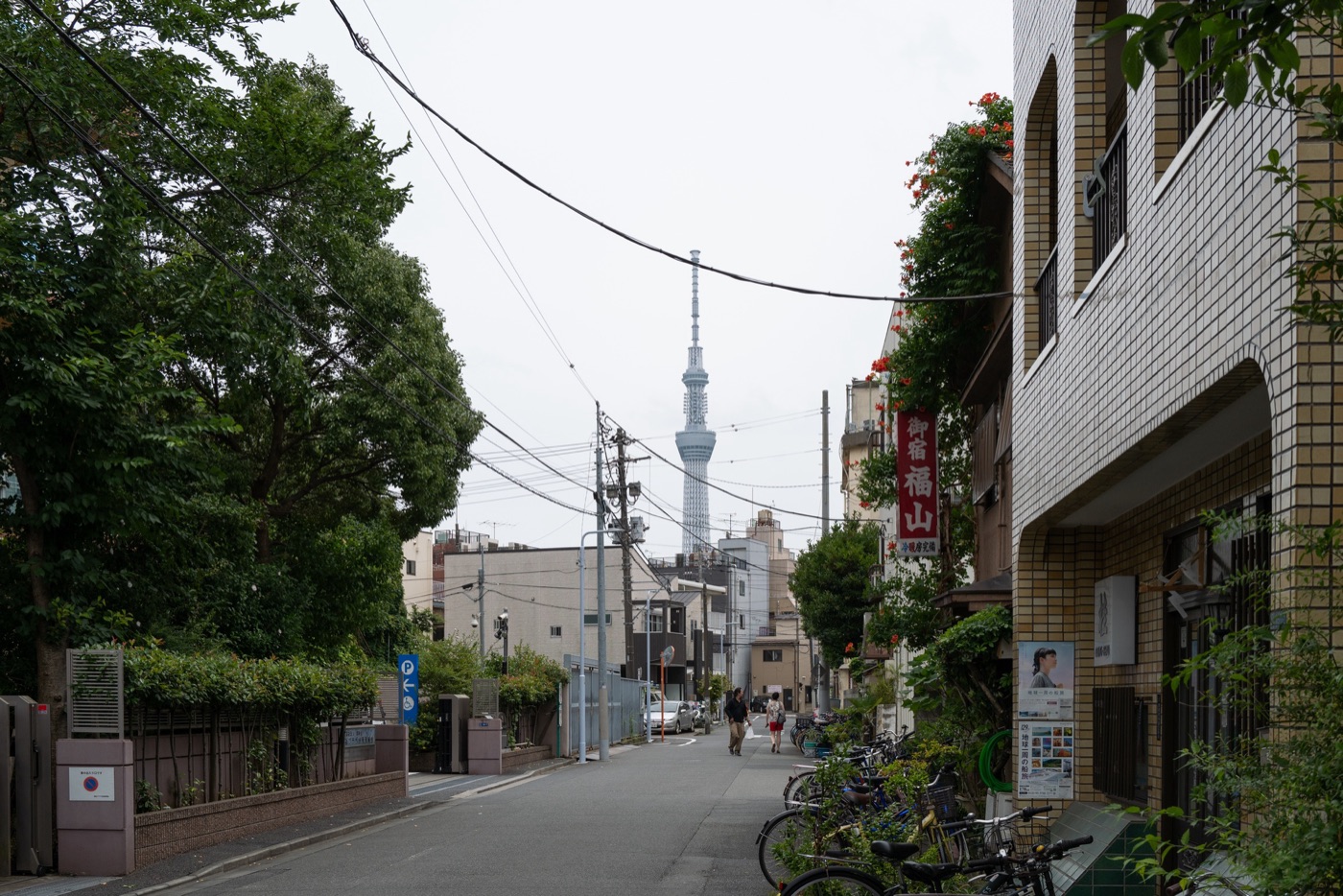
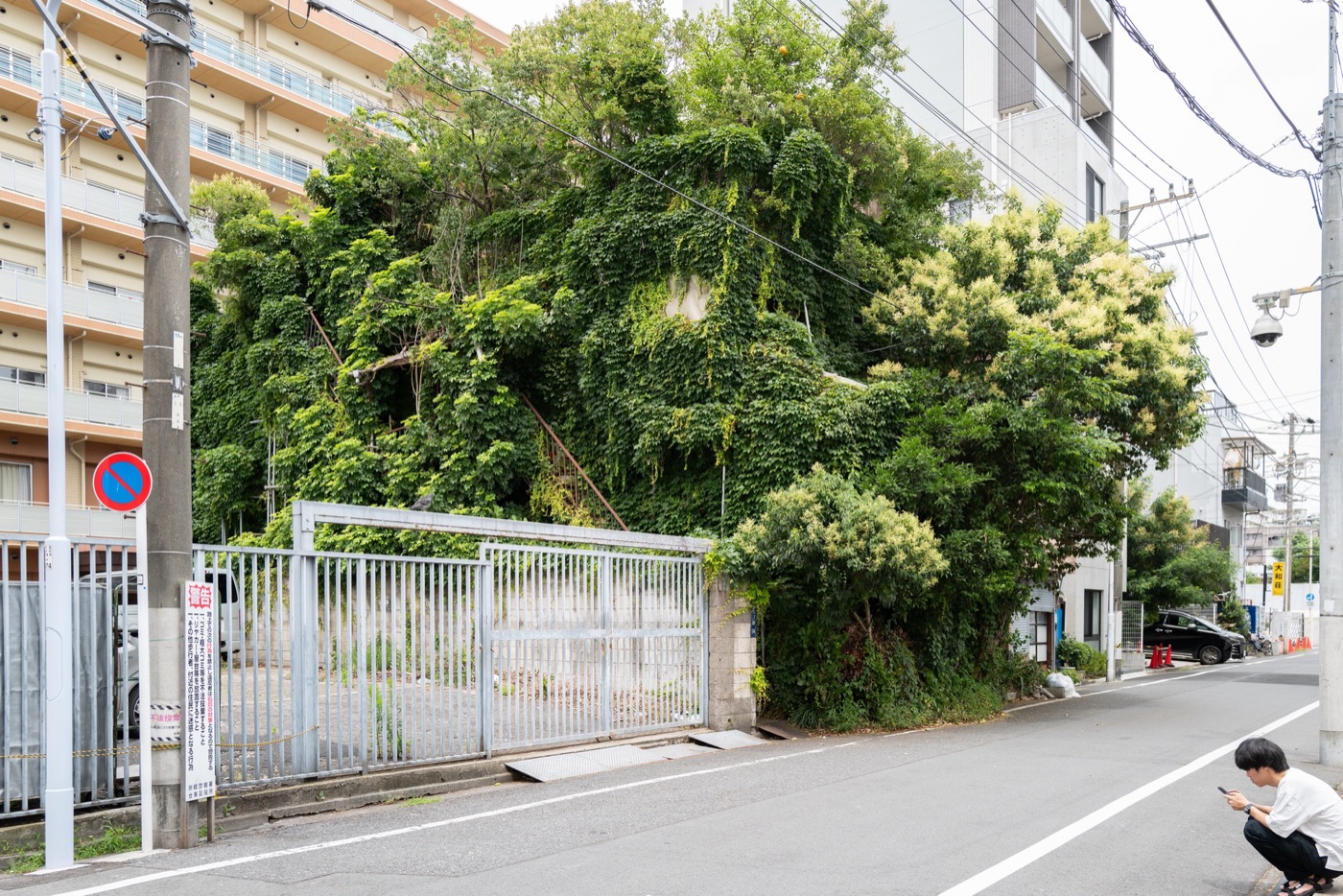
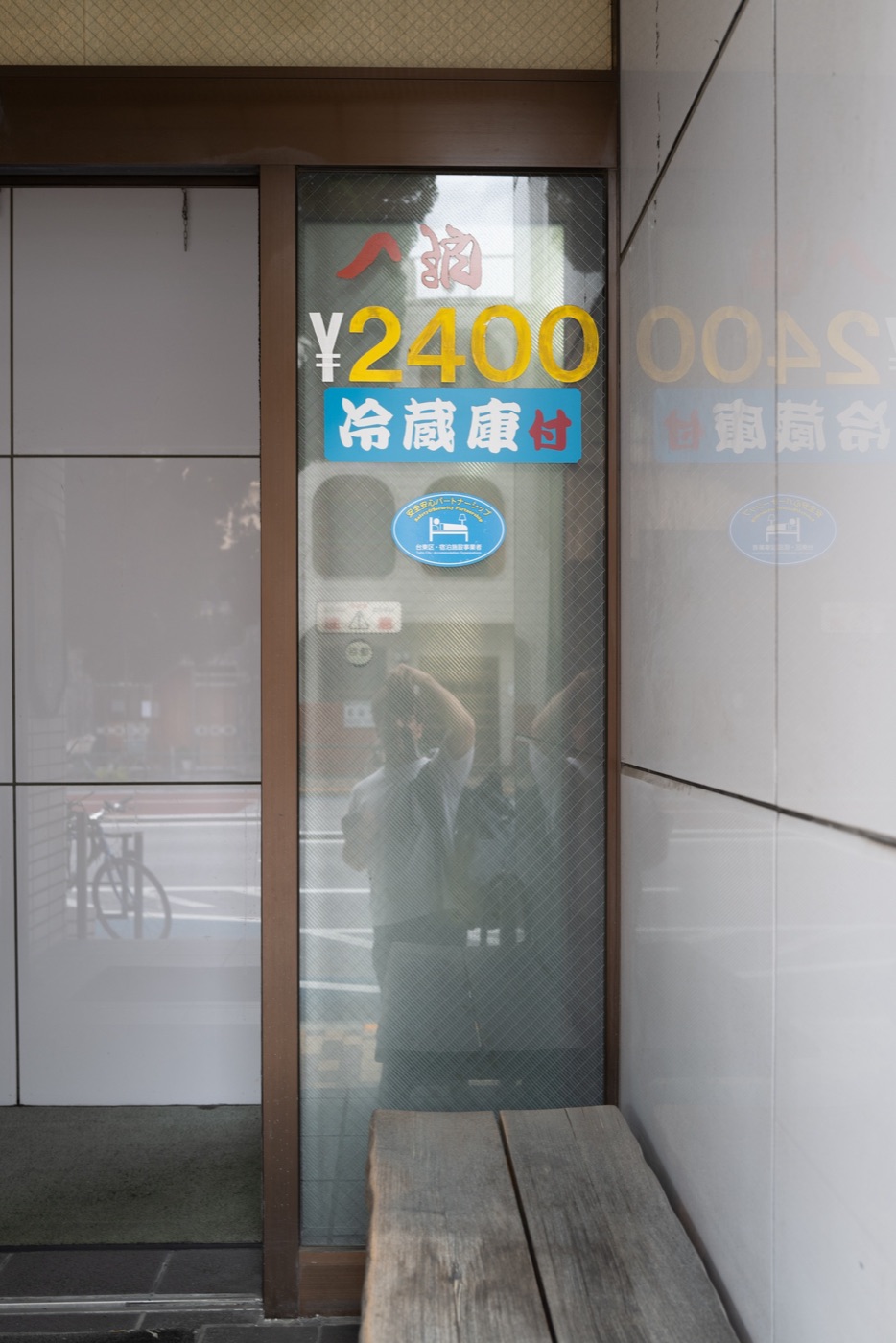
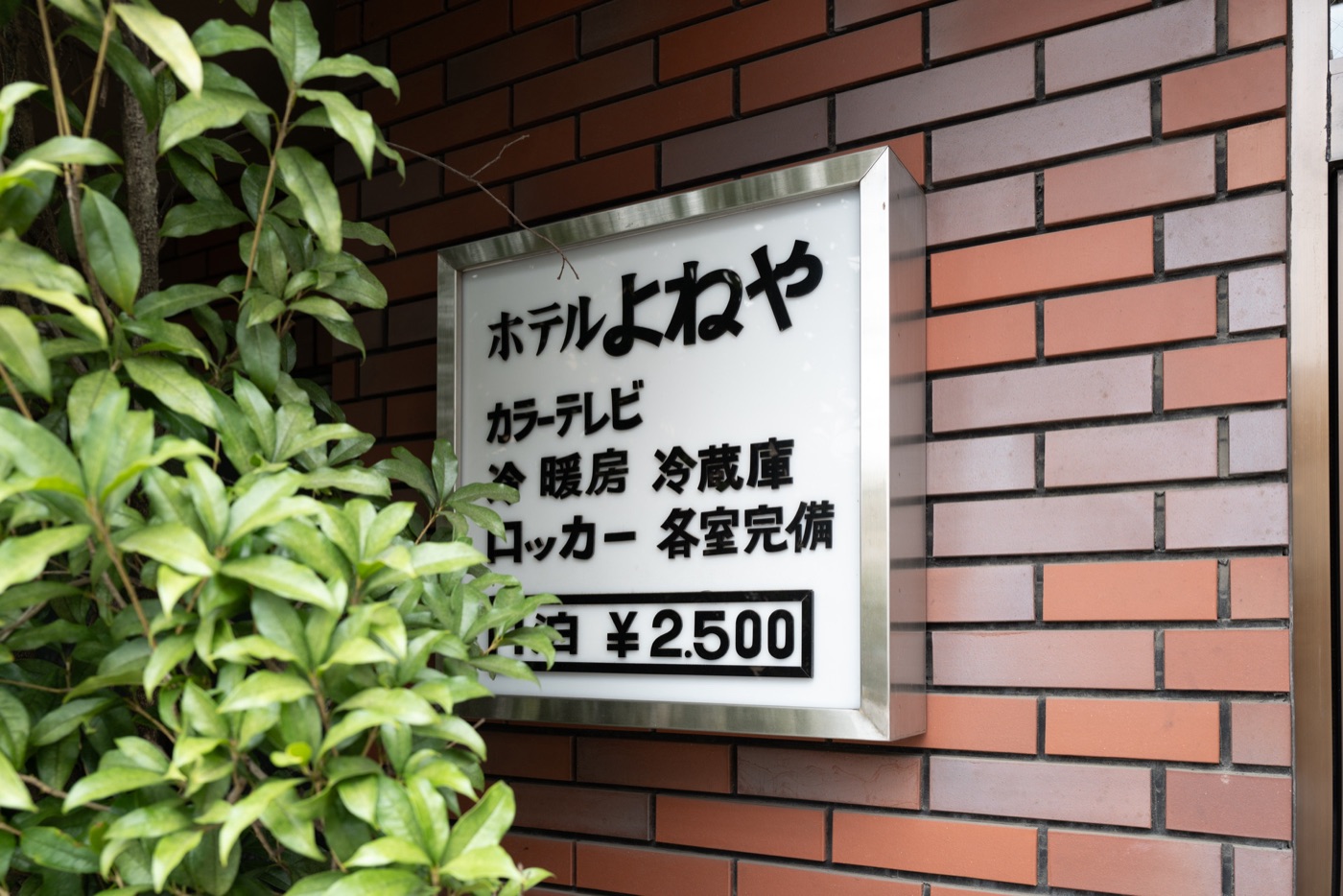
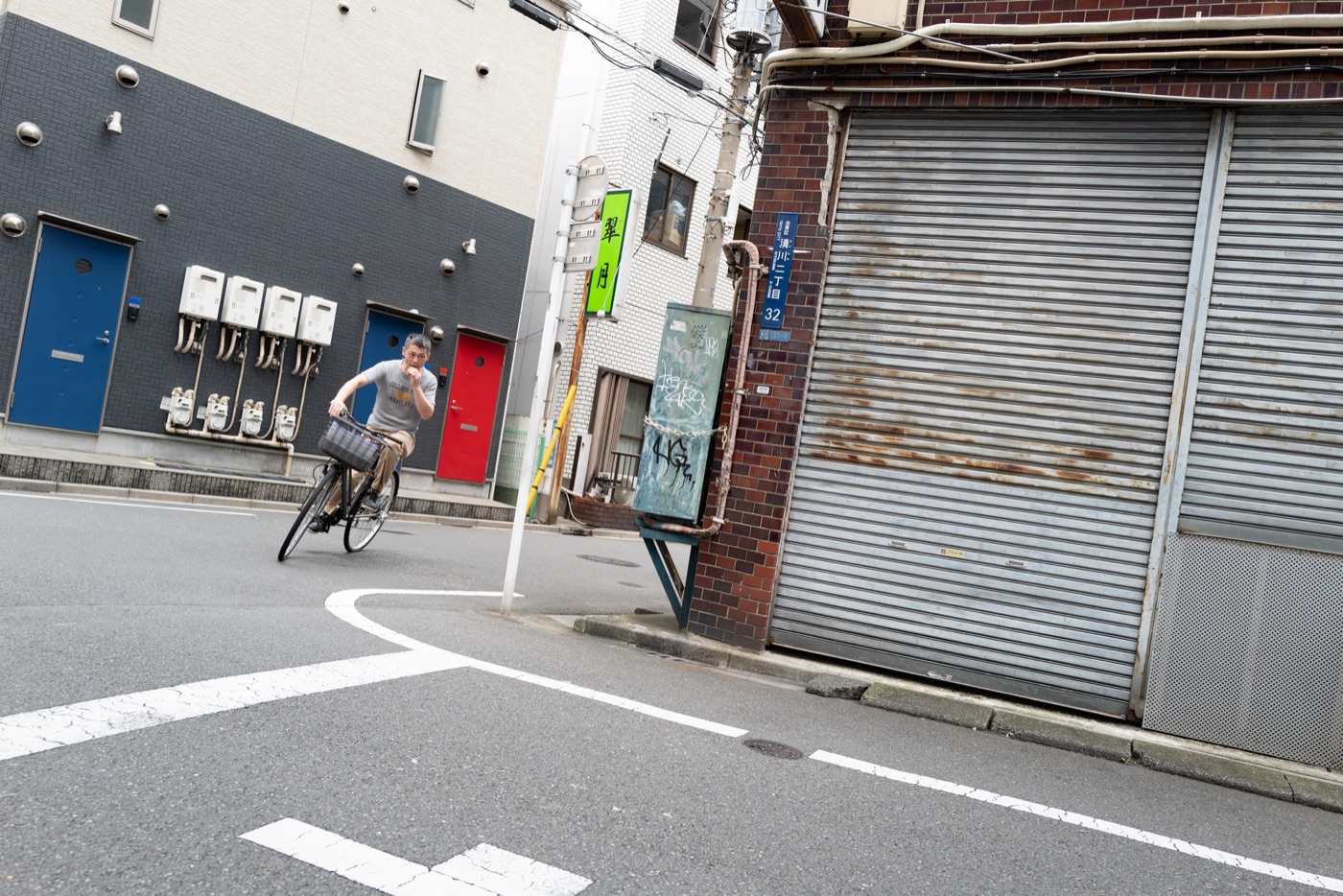
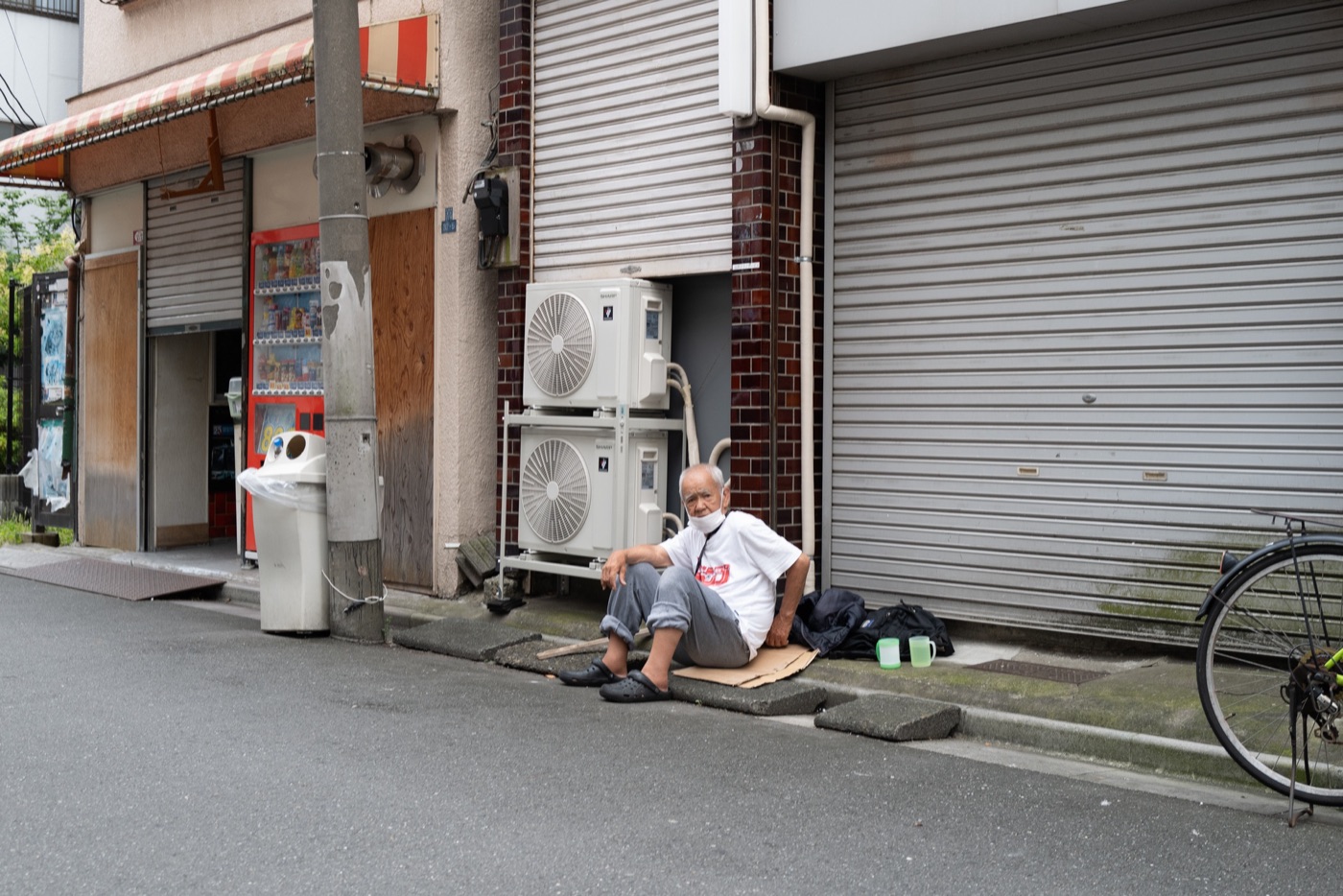
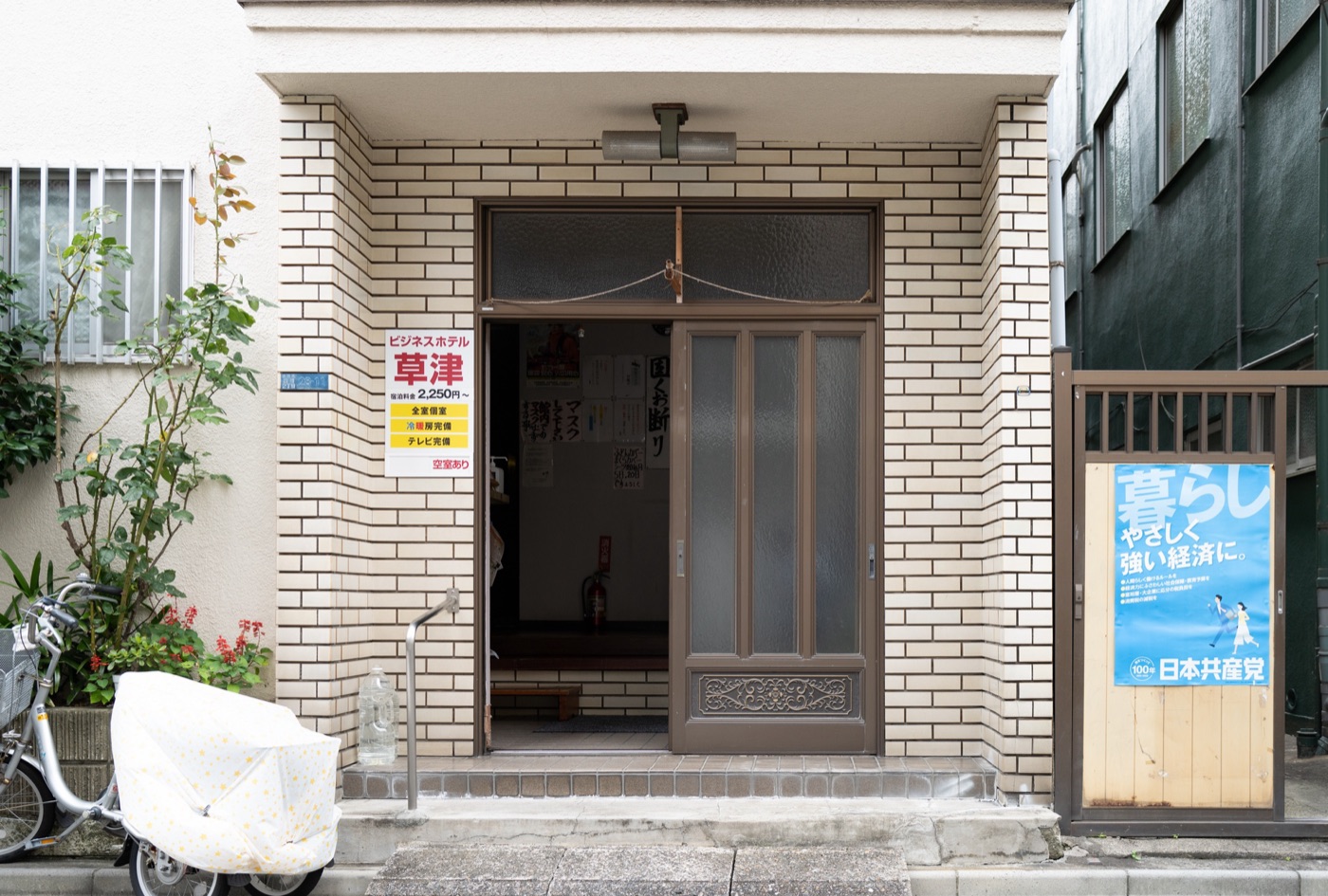
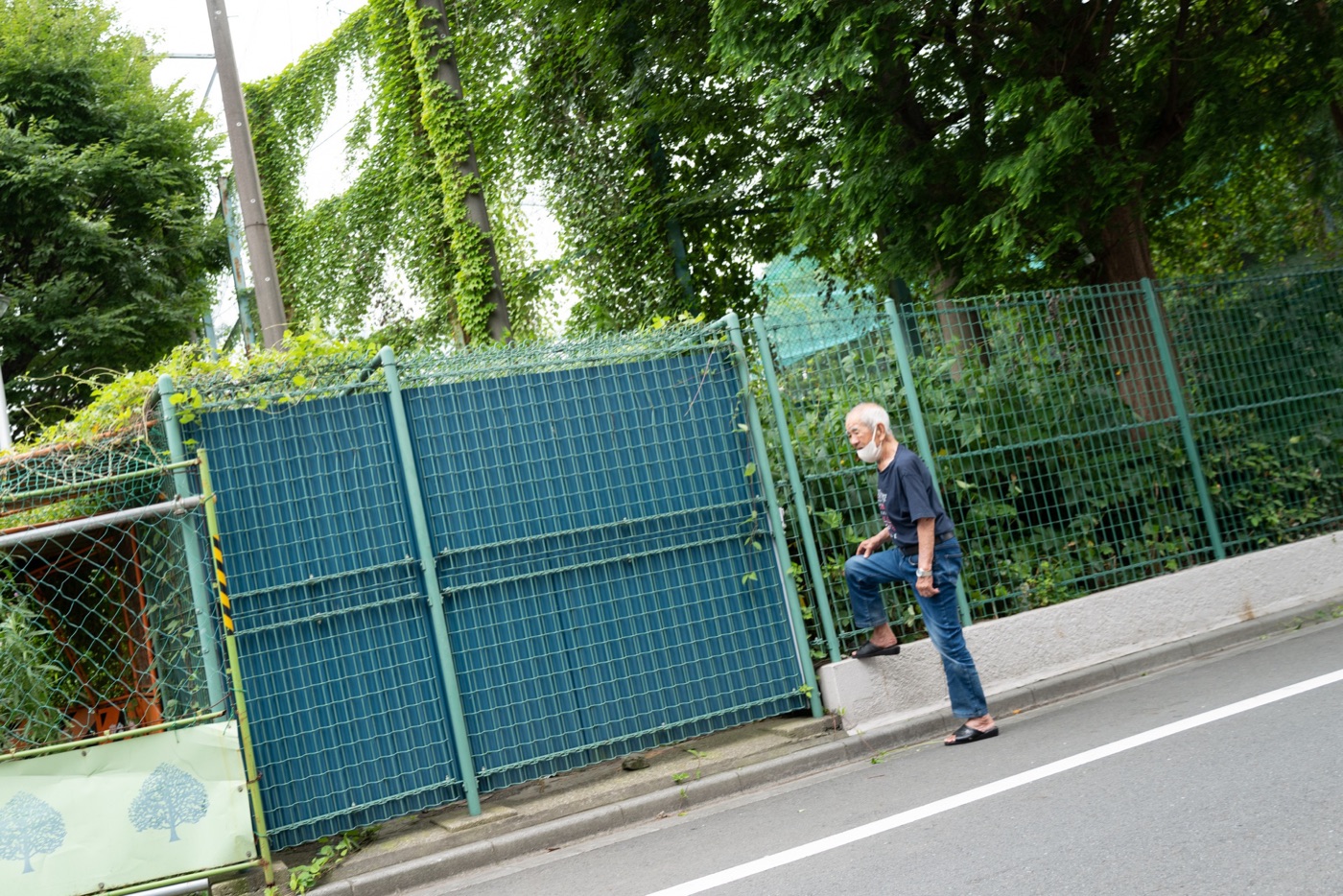
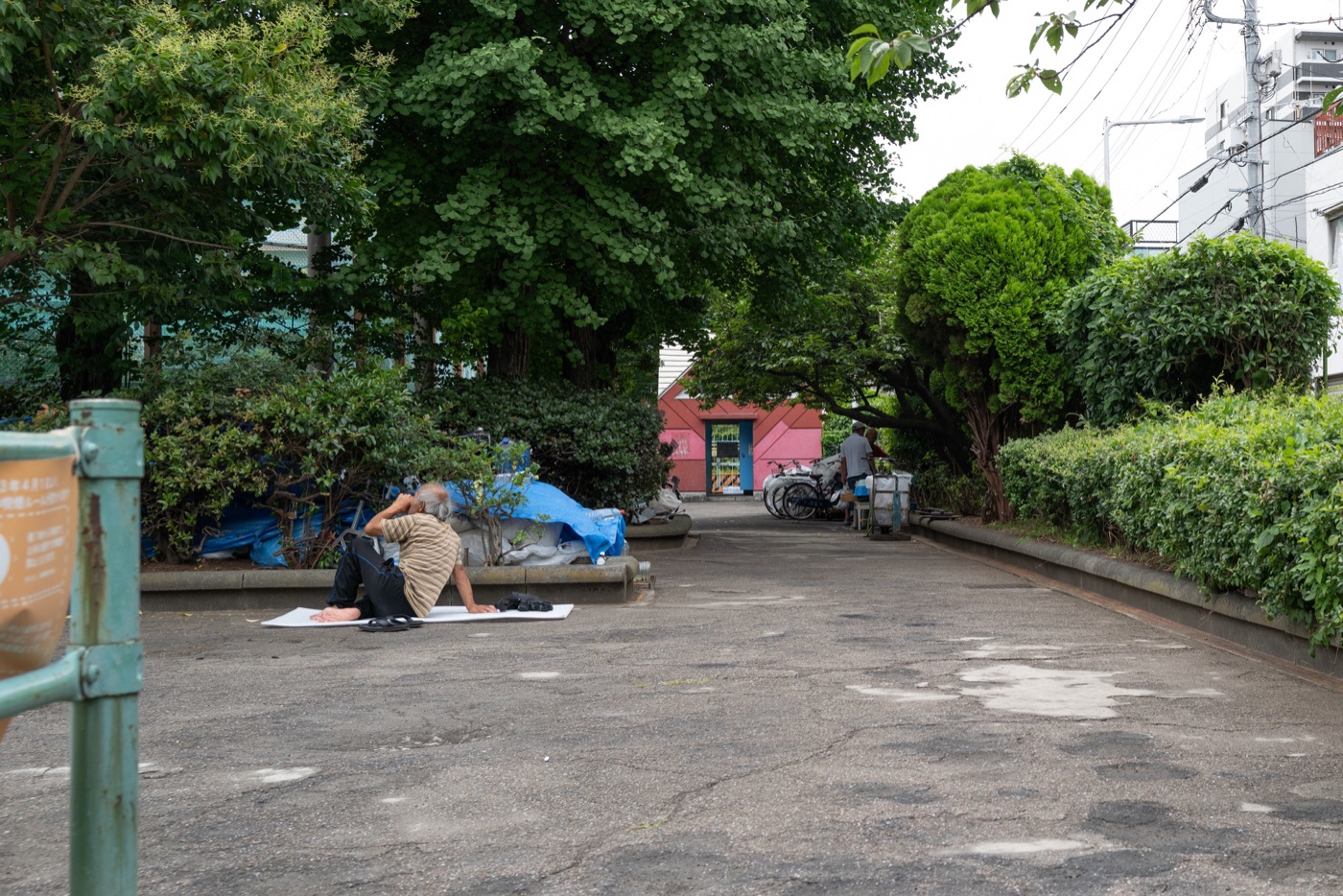
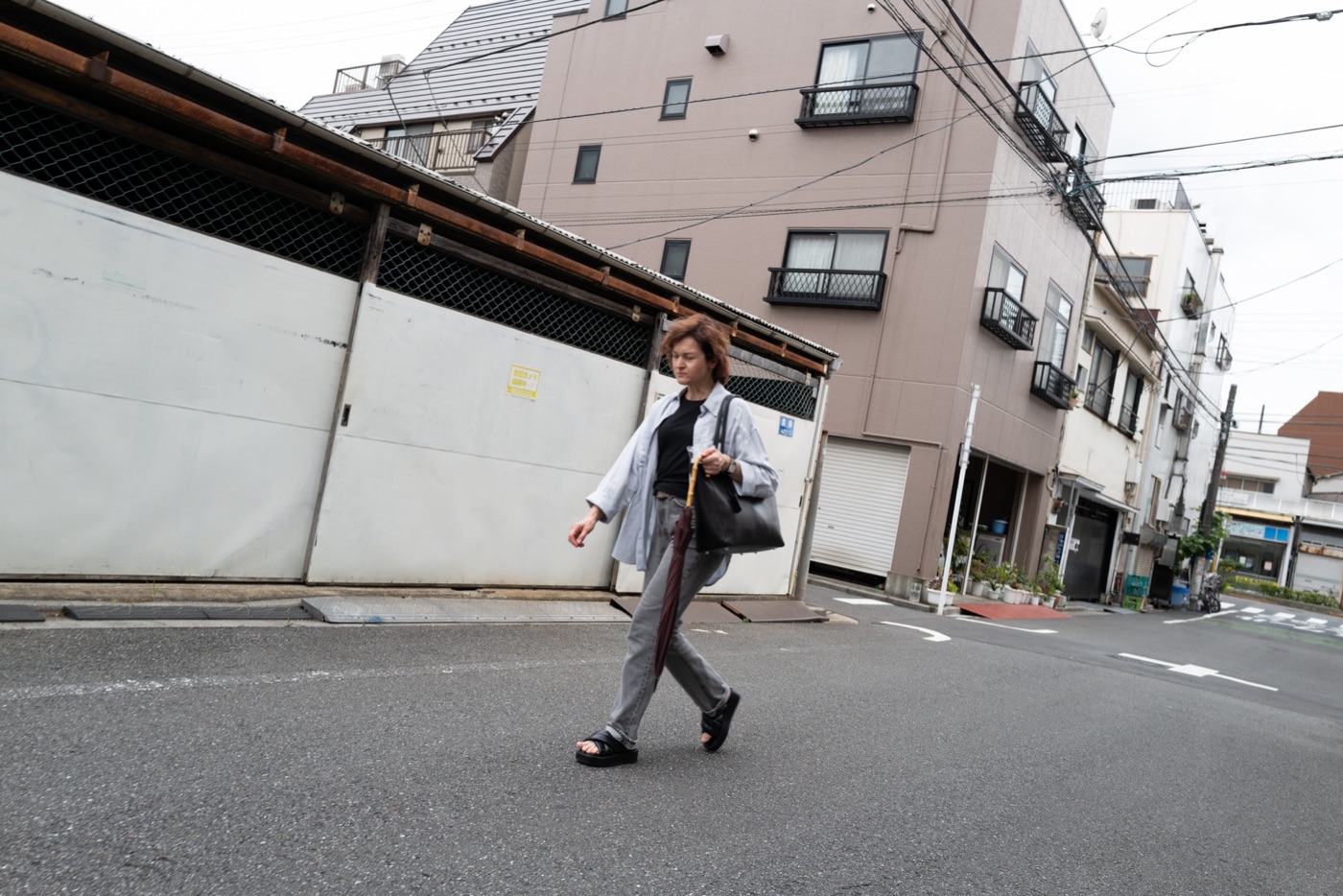
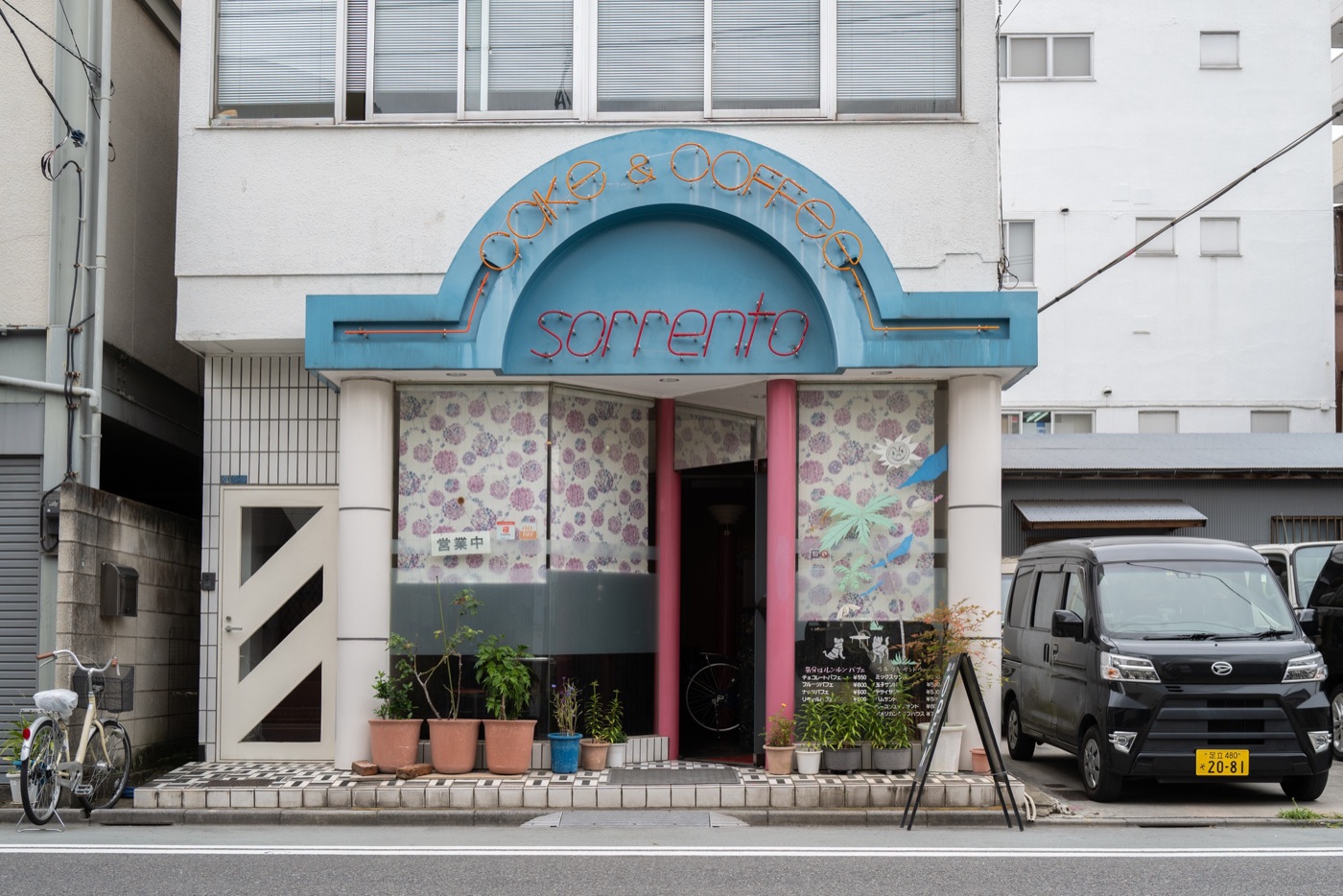
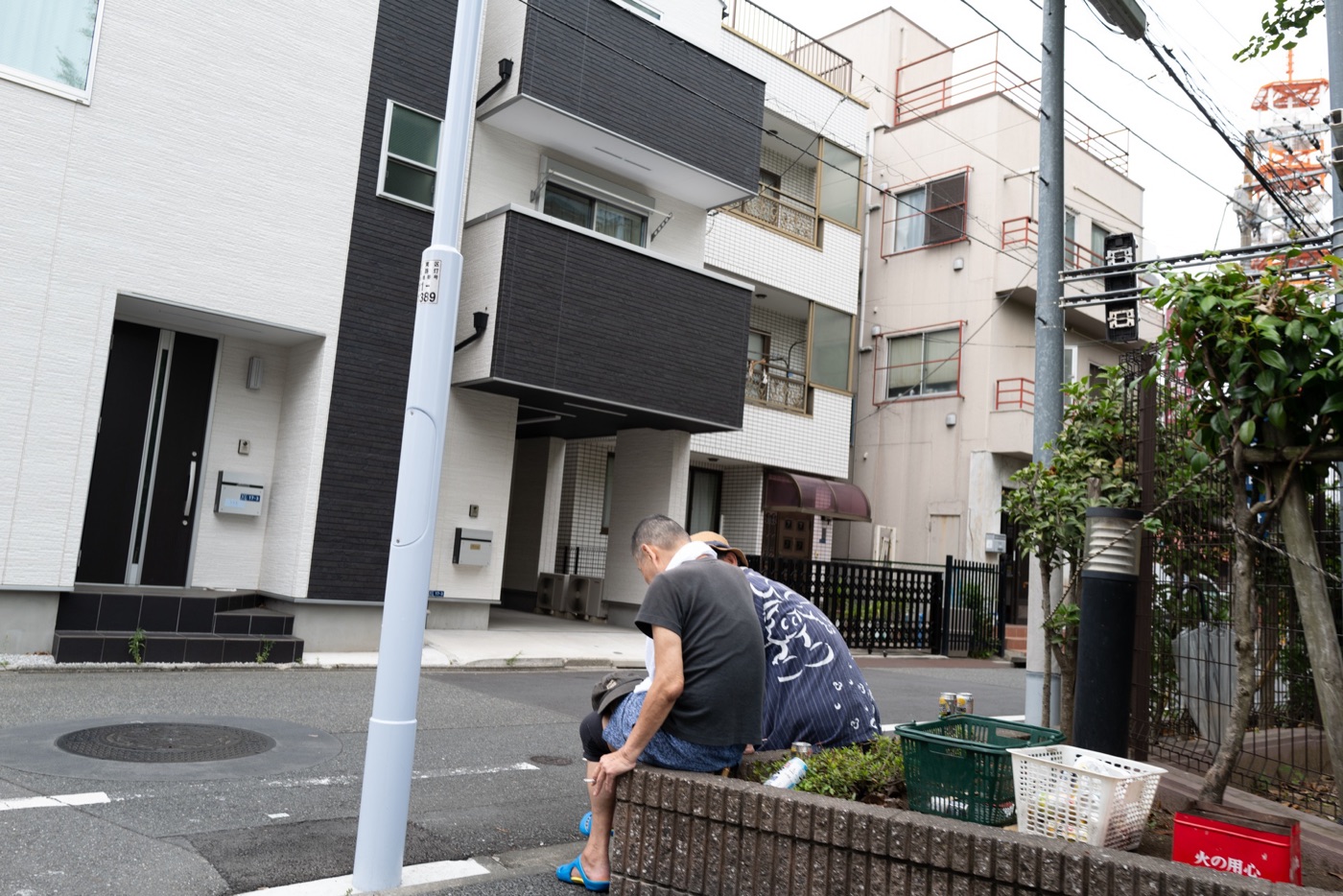
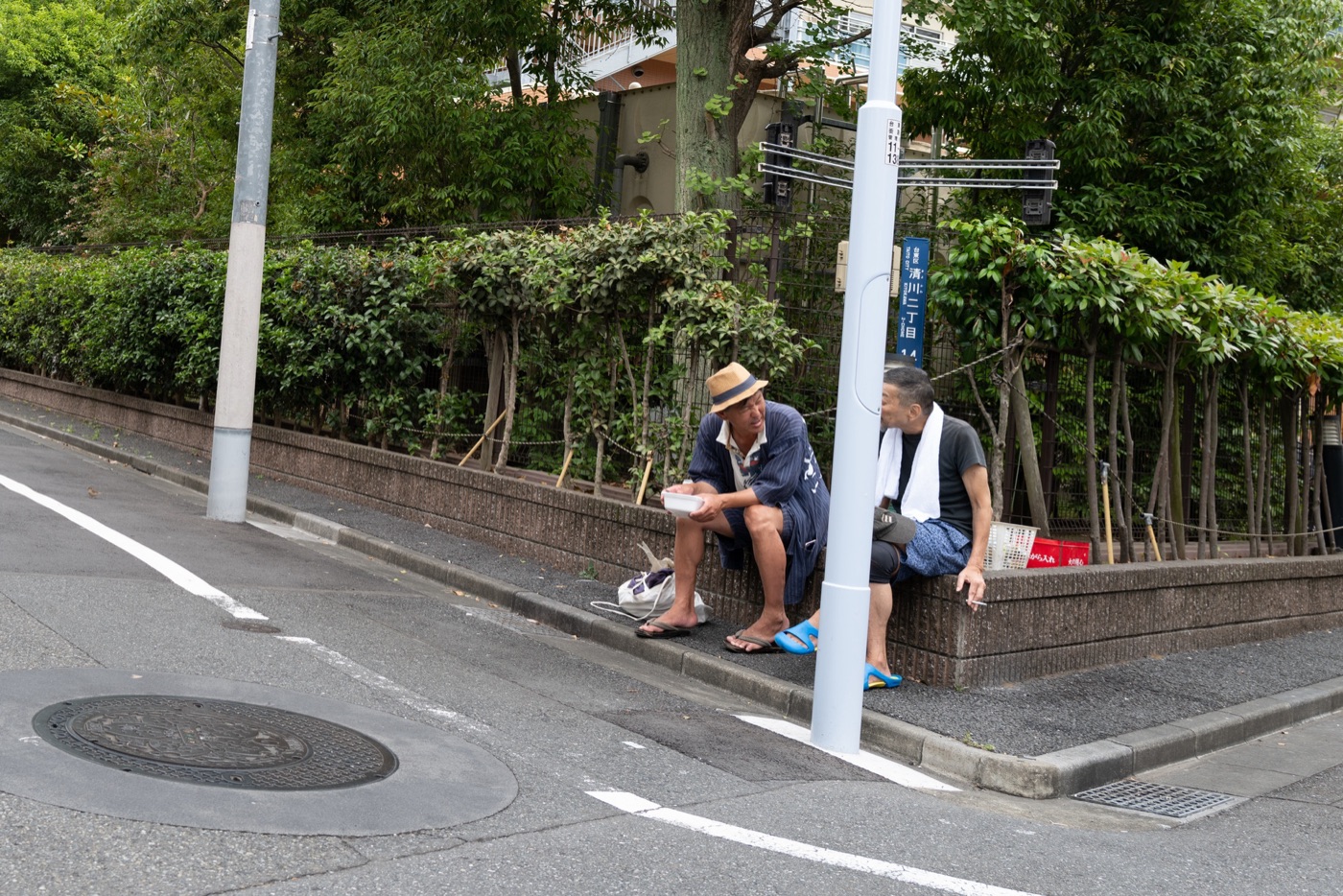
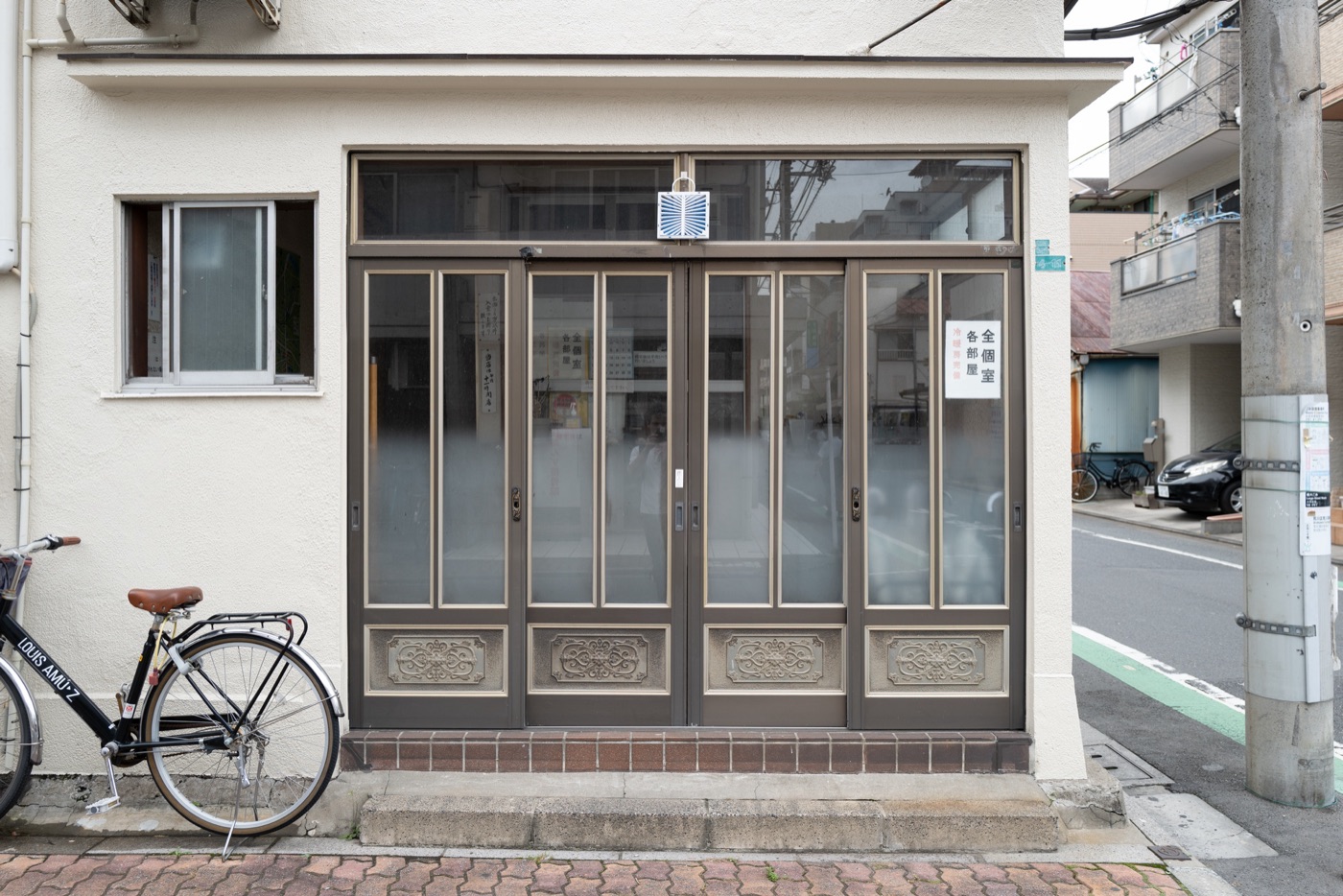
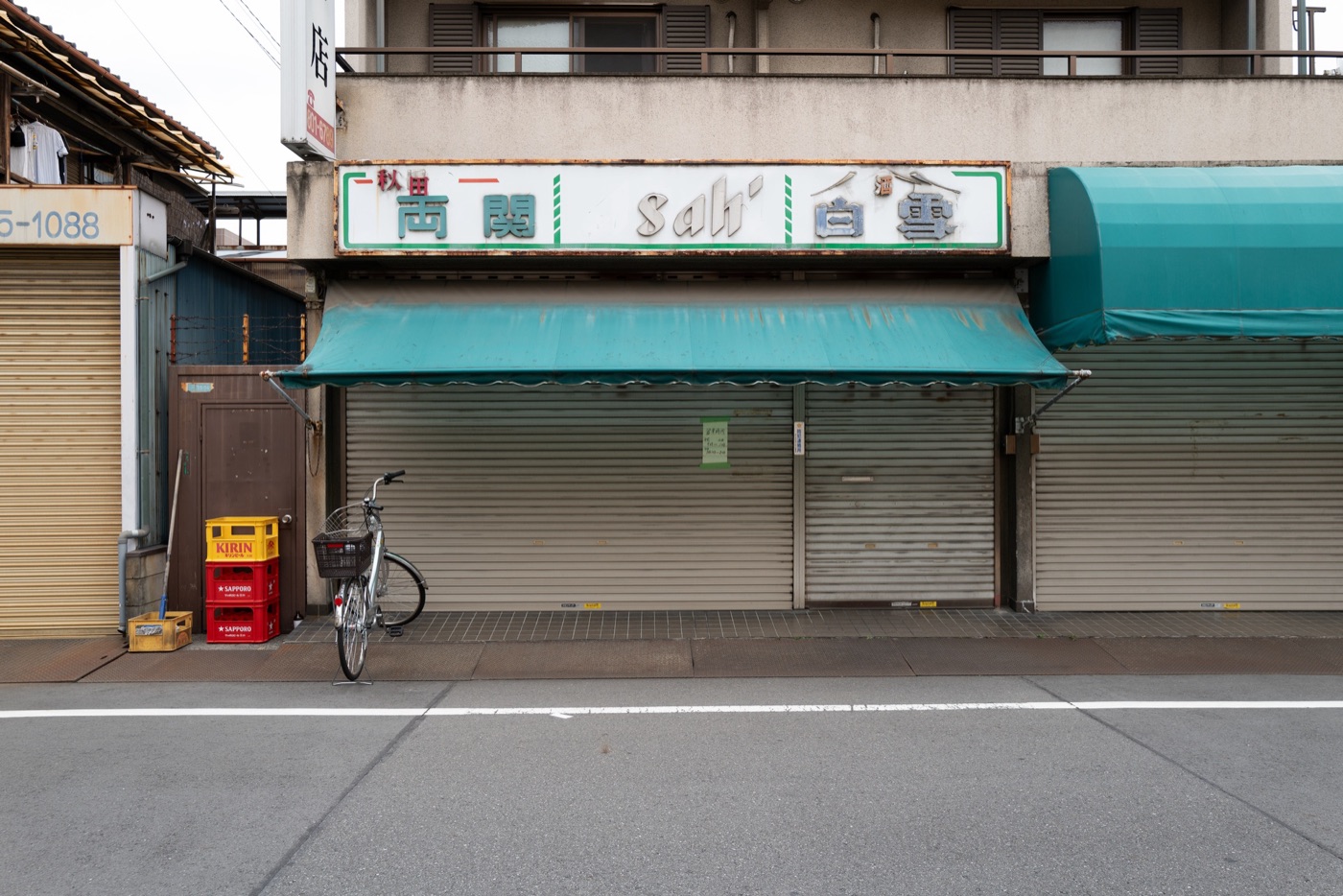
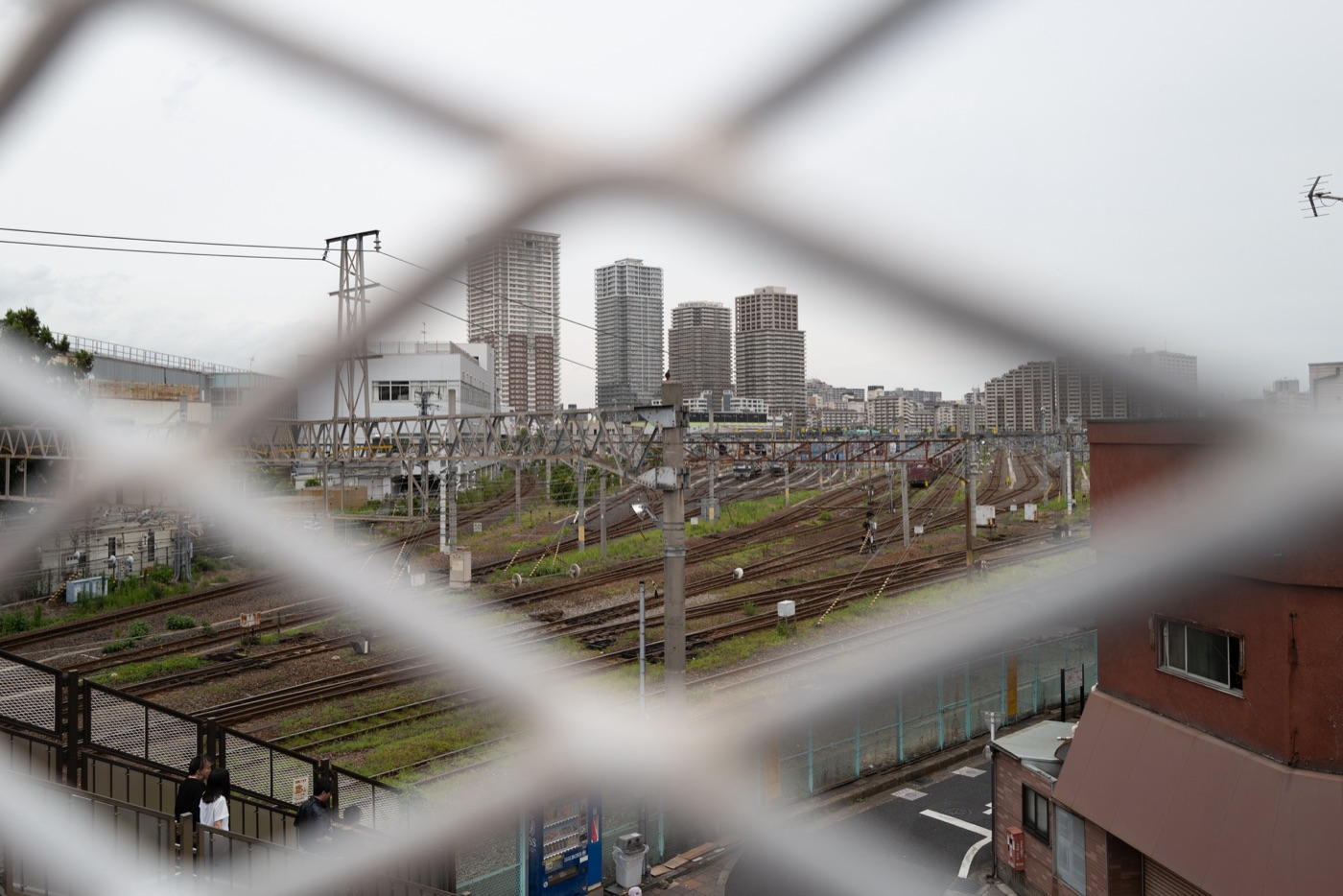
Walking through Sanya today, the most visible remnants of its past are the rows of small, aging doya hotels. Many still operate, now serving a mix of elderly long-term residents and budget travelers who have discovered the area’s remarkably low accommodation prices. The atmosphere is quiet, even subdued. Small parks where laborers once gathered in the early morning hours now host older men sitting on benches. Convenience stores and modest restaurants line the streets, and there is little of the commercial energy found elsewhere in Tokyo. A few social welfare organizations operate in the area, providing meals and medical care to residents who have aged out of the labor market. The contrast with nearby Asakusa, just a short walk south, is striking.
Jokoji Temple and Local Landmarks
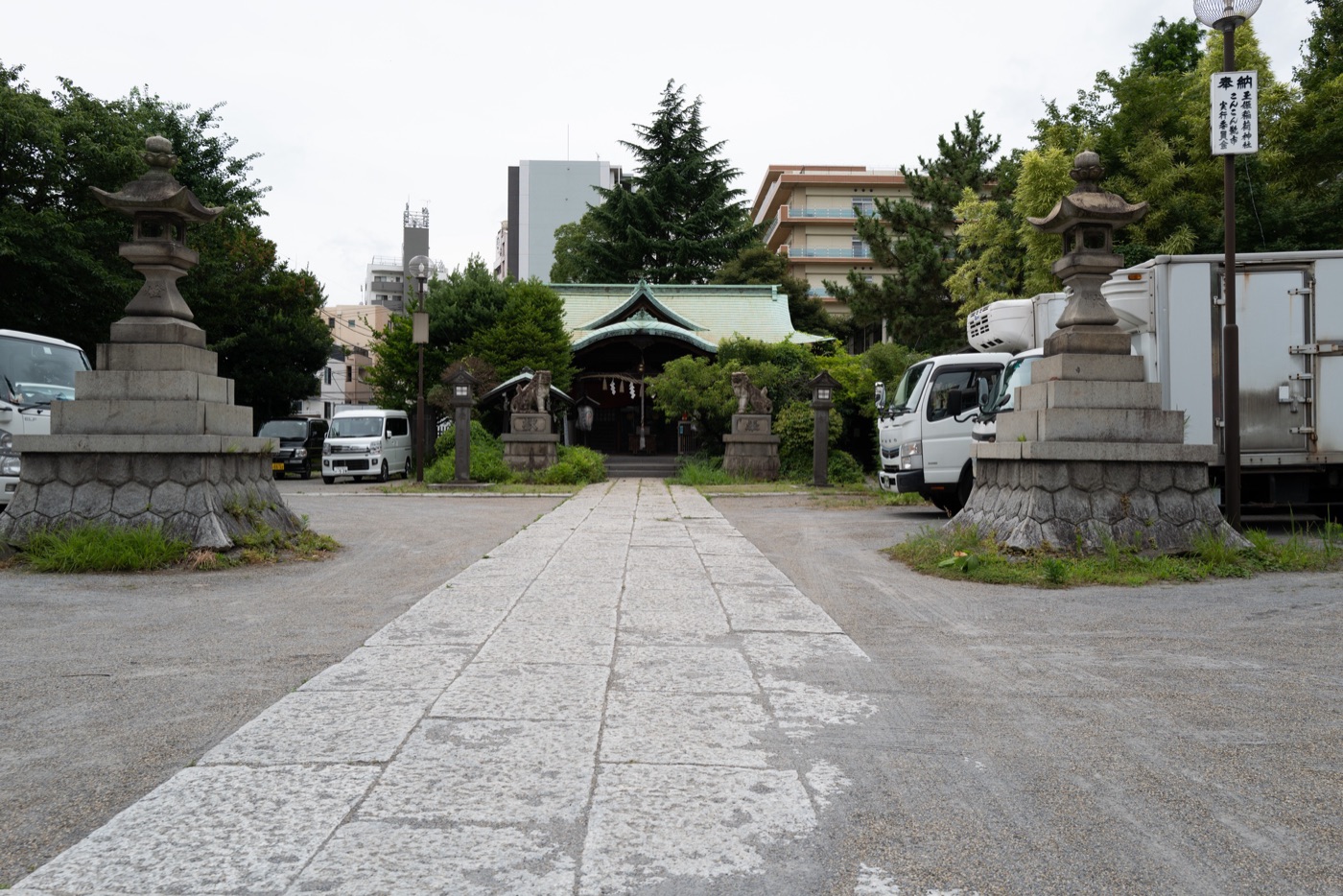
Jokoji Temple, also known as the Namidabashi temple, sits at the historical entrance to Sanya and marks a significant site in Edo-period history. The name “Namidabashi” means “Bridge of Tears” — it was here that convicted criminals heading to the Kozukappara execution grounds would part from their families for the last time. The execution grounds themselves, one of the largest in Edo-era Japan, were located nearby, and a small memorial marks the site. These grim historical layers add depth to a visit, connecting the modern neighborhood to centuries of social history. A walk through the backstreets around the temple reveals small shrines, weathered wooden houses, and a texture of urban life that has largely vanished from other parts of Tokyo.
Proximity to Yoshiwara
Sanya sits adjacent to Yoshiwara, the site of Edo-era Tokyo’s licensed pleasure quarter. While nothing of the original Yoshiwara architecture remains, the area’s street grid still follows its historical layout, and a small shrine and information plaques mark the district’s boundaries. The proximity of these two neighborhoods — one dedicated to labor, the other to pleasure — reflects the complex social geography of old Edo. Visitors interested in Tokyo’s social history often walk between the two areas, tracing a route that connects marginalized communities and the structures that sustained them. The Yoshiwara Benzaiten shrine, surrounded by a small park, offers a moment of quiet reflection on the women who lived and worked in the quarter.
Visiting Respectfully
Sanya is not a tourist attraction, and approaching it as one would be a mistake. The people who live here are not exhibits. Many are elderly, some are homeless, and the neighborhood carries real social challenges including poverty and isolation. That said, walking through Sanya with genuine interest in its history and present conditions is entirely appropriate. There are no restrictions on visiting, and the streets are safe. A respectful approach means not photographing individuals without permission, not treating the area as an exotic curiosity, and taking the time to understand the social context before arriving. The San’ya Workers’ Welfare Center and nearby community organizations have published materials about the area’s history for those who want to learn more. Sanya offers something rare in Tokyo: an unvarnished look at the city’s capacity for both neglect and endurance.