Art in Unexpected Places
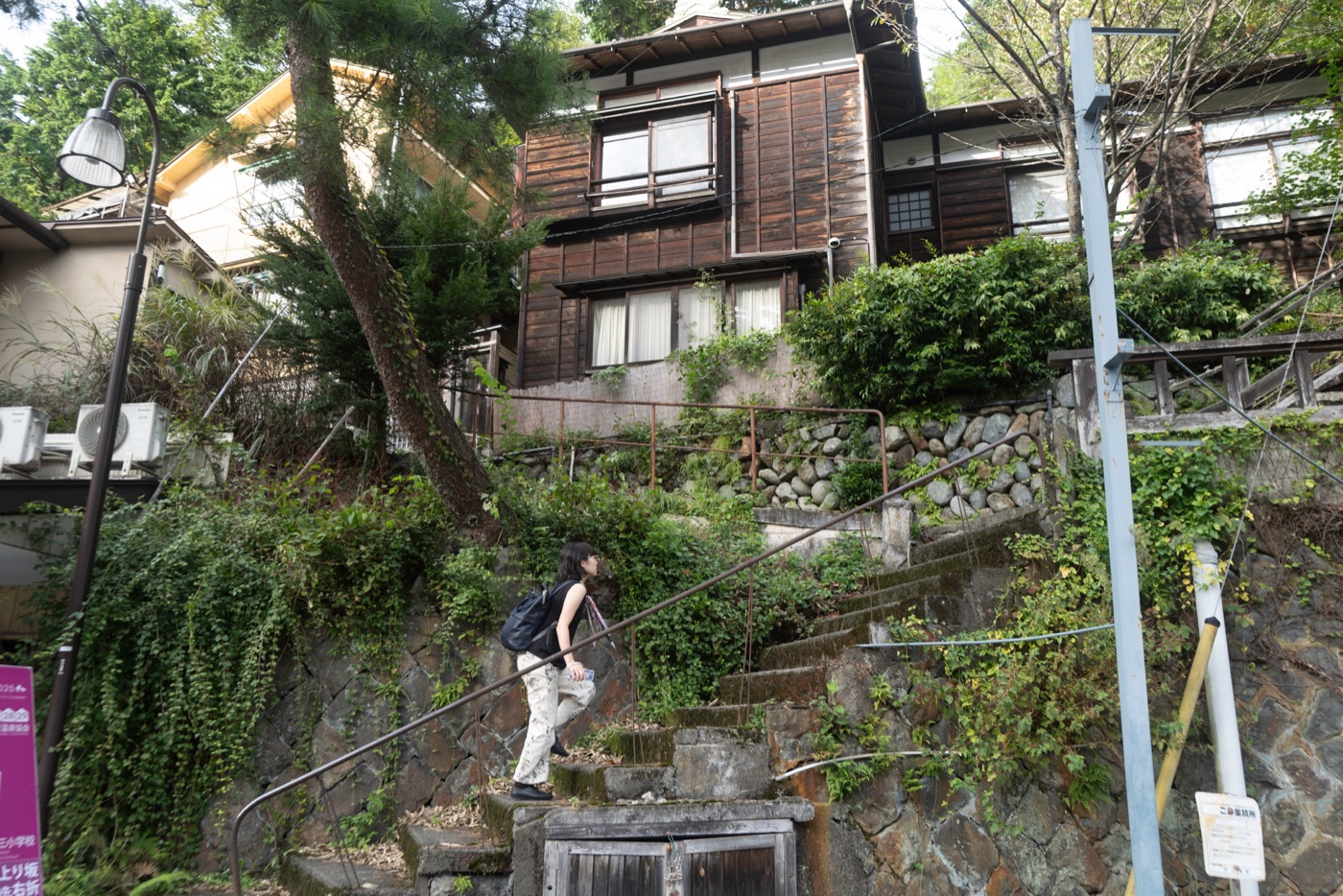
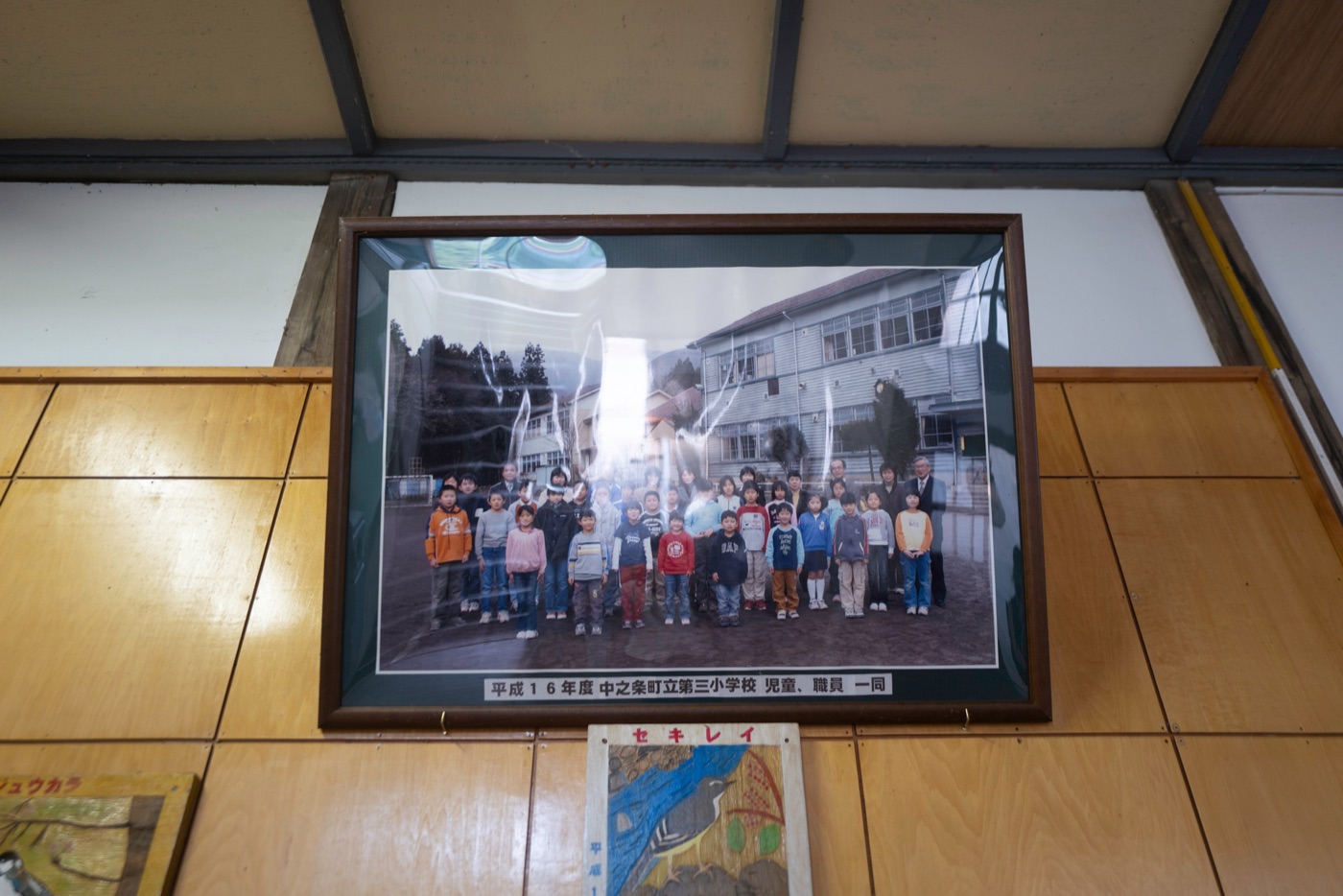
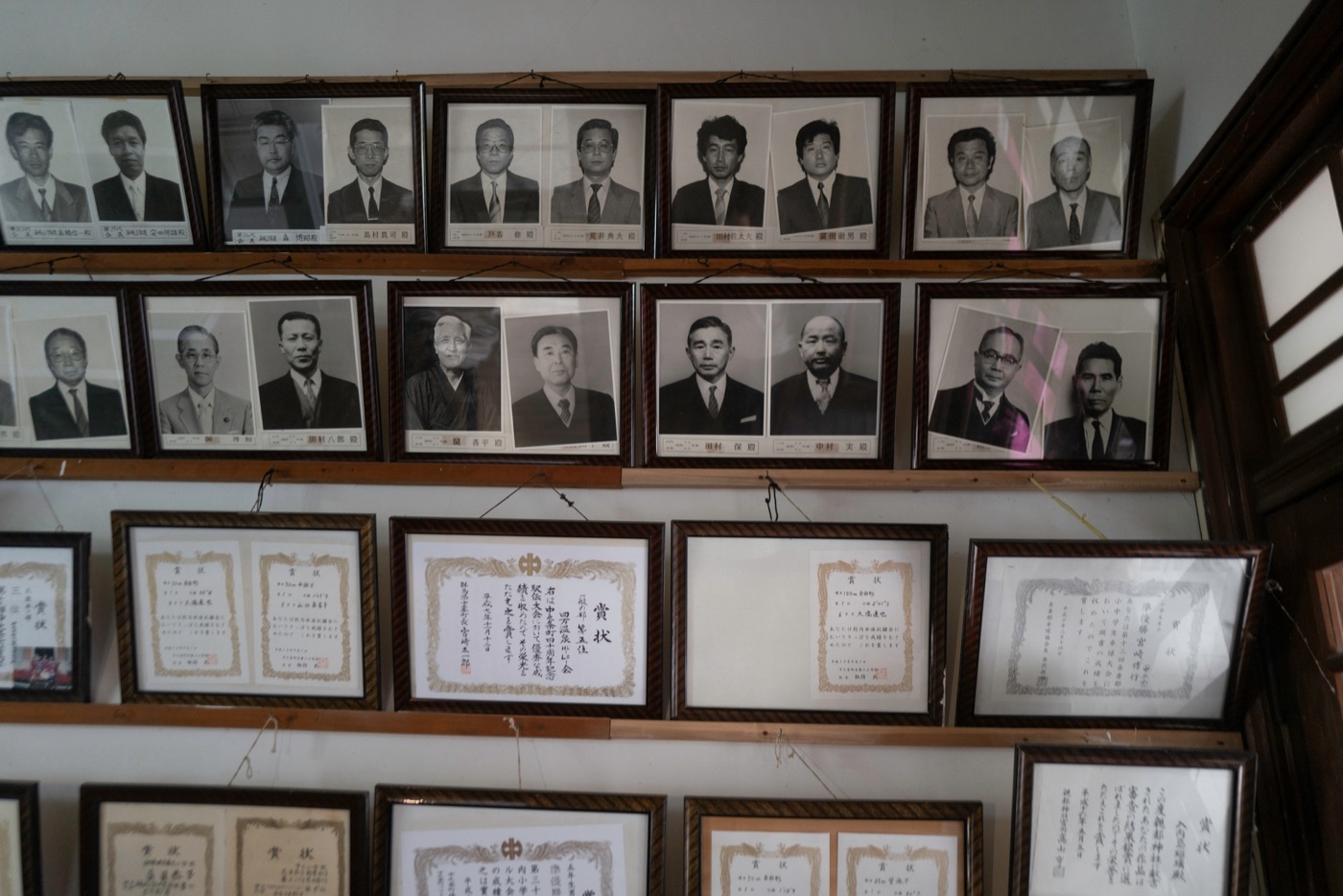
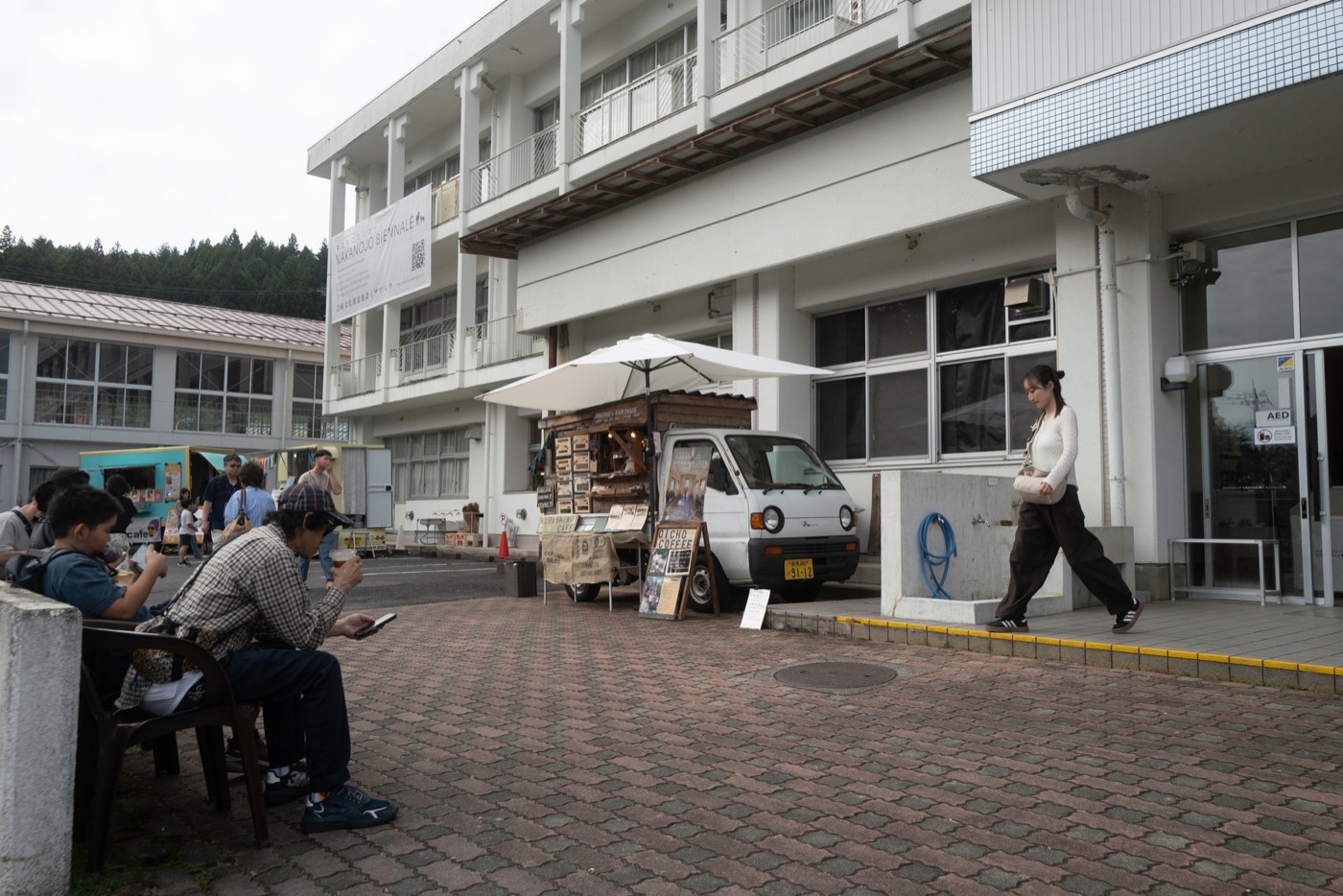
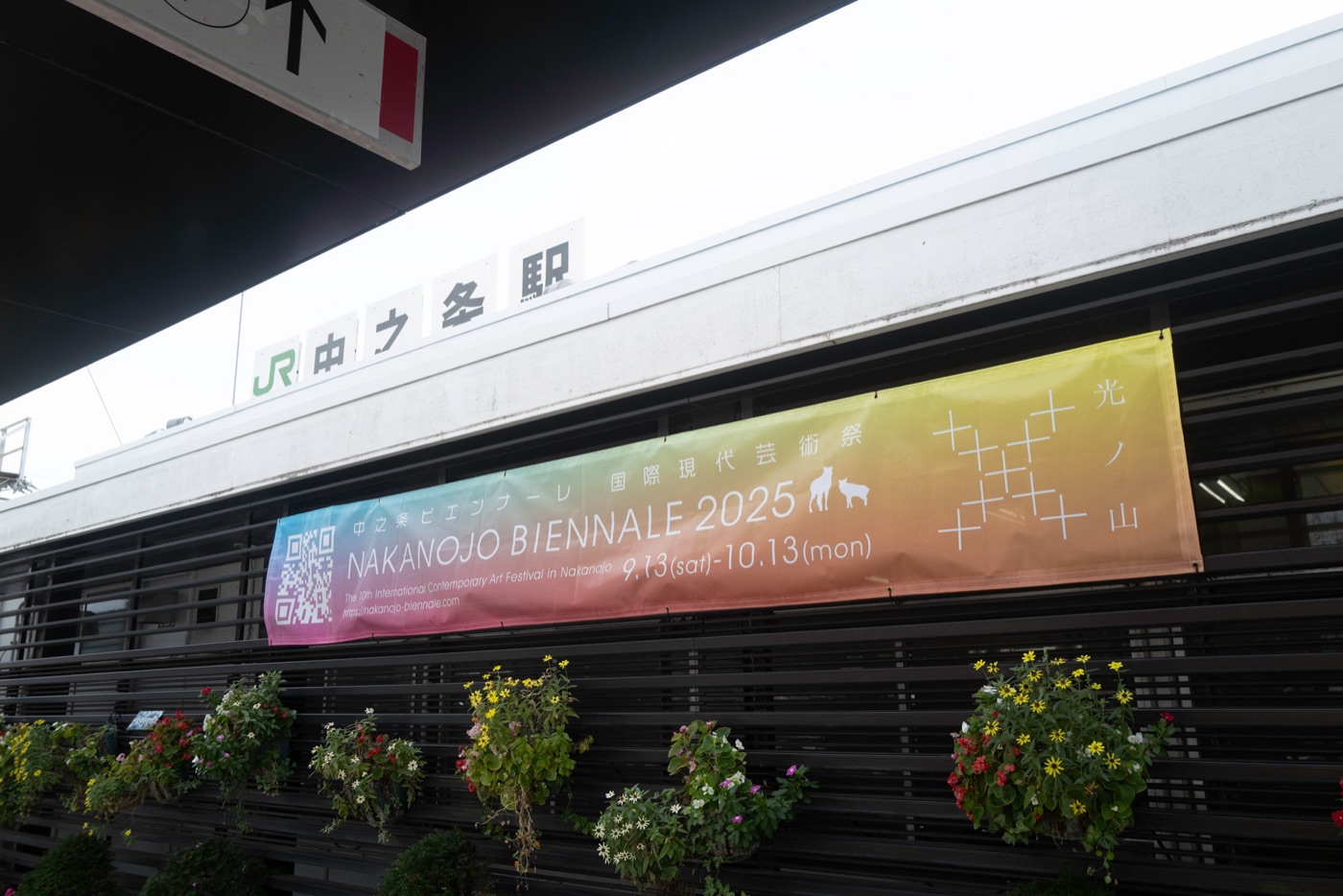
The Nakanojo Biennale is a contemporary art festival held every two years in Nakanojo, a small town in the mountainous interior of Gunma Prefecture. What makes it distinctive is its setting: rather than using conventional gallery spaces, the biennale installs works in abandoned schools, former sake breweries, empty shops, and other disused buildings scattered across the town and surrounding countryside. The result is a festival where the journey between works is as much a part of the experience as the art itself. Walking from one venue to the next, visitors pass through narrow valleys, along riverbanks, and through quiet residential streets where daily life continues unaffected by the art event happening around it.
The Festival’s Origins and Character
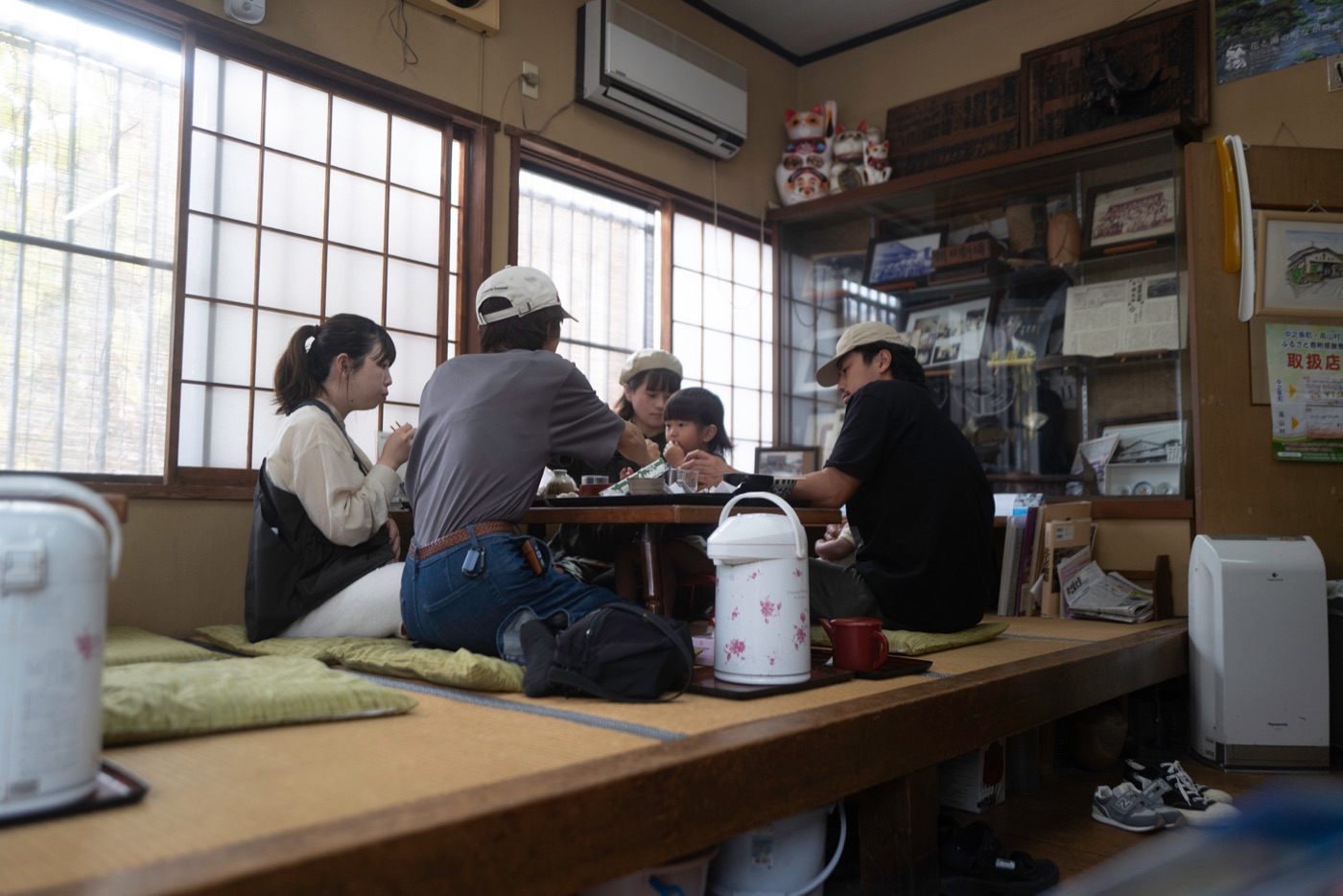
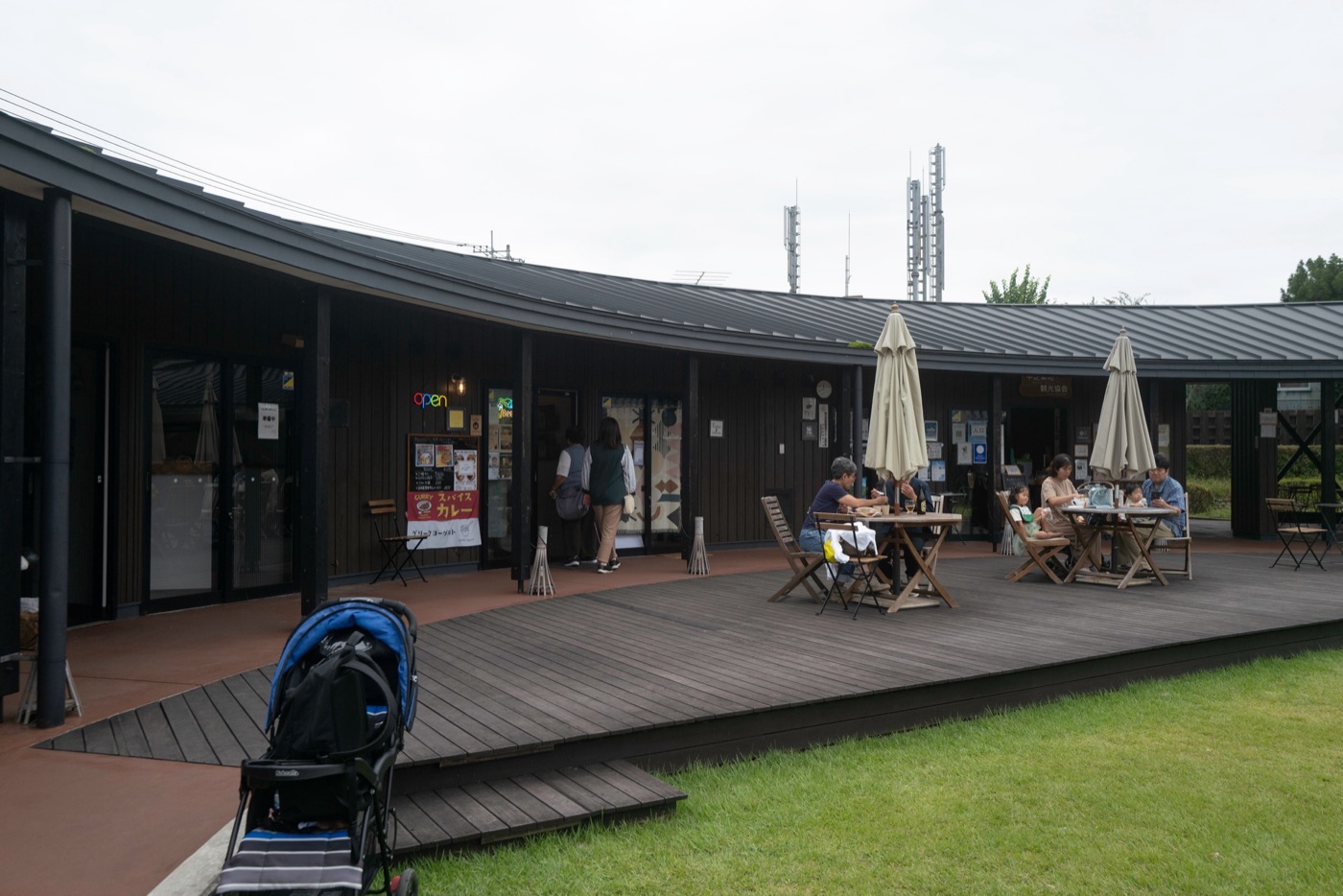
The biennale began in 2007 as a grassroots initiative to bring new energy to a town facing the familiar rural Japanese challenges of population decline and economic stagnation. Local organizers partnered with artists from Japan and abroad, offering the town’s unused spaces as studios and exhibition halls. The approach was modest at first, but the festival has grown steadily, attracting dozens of participating artists in recent editions. What has not changed is the spirit of the event: it remains community-driven, with local volunteers staffing the venues, providing directions, and sometimes offering tea and conversation to visitors. There is no corporate polish here — the biennale retains the feel of a genuine collaboration between artists and the people who live in this landscape year-round.
What to Expect at the Venues
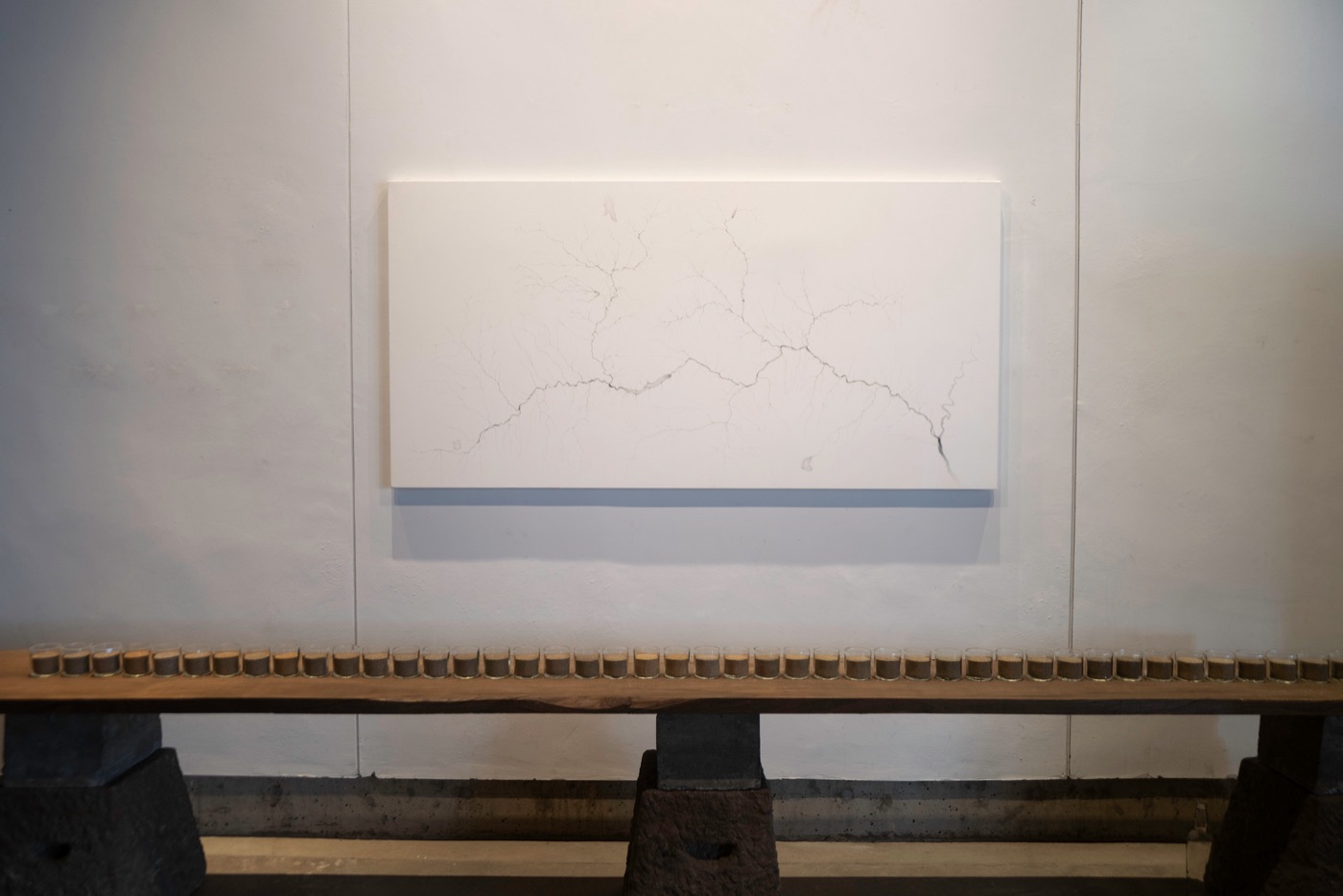
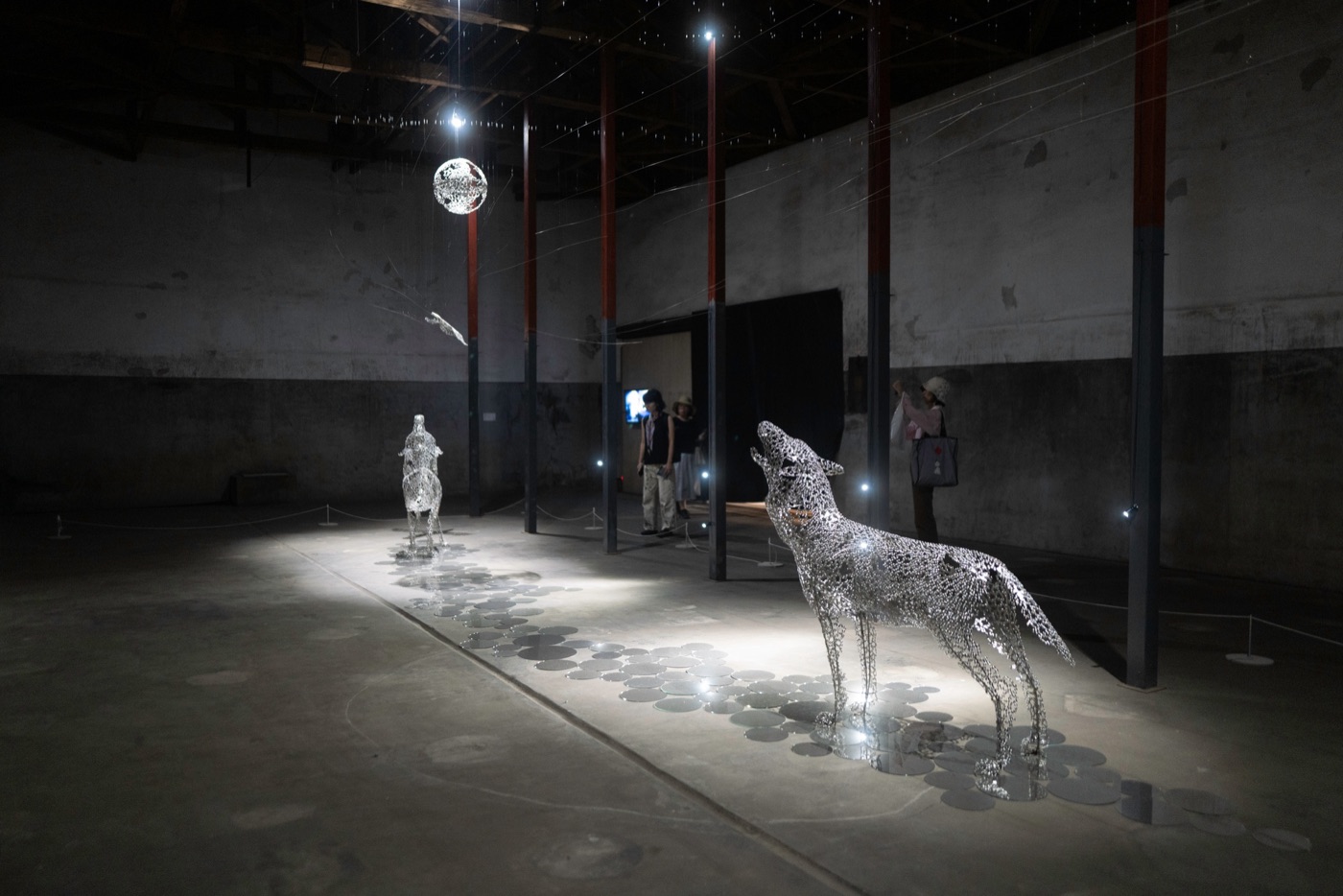
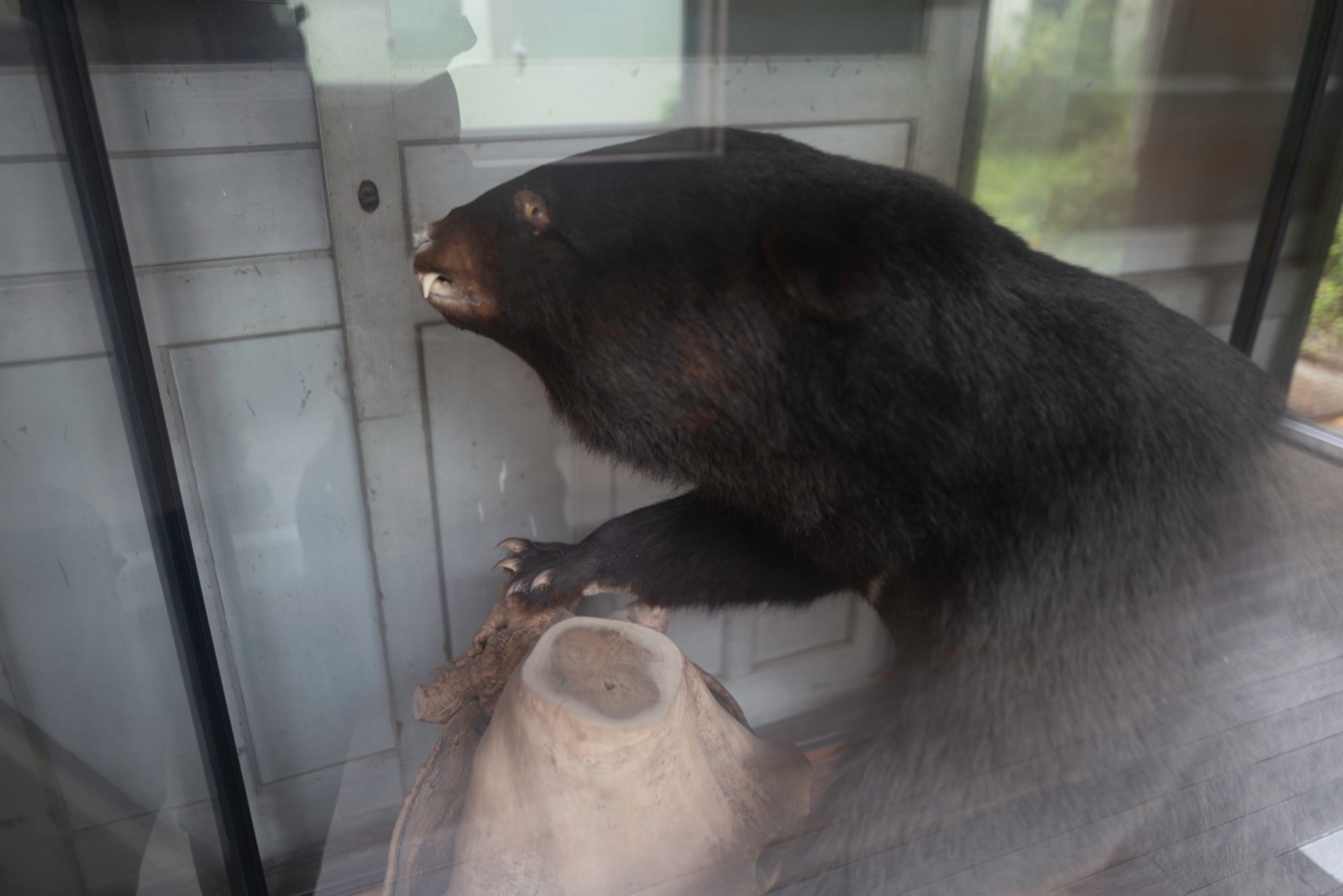
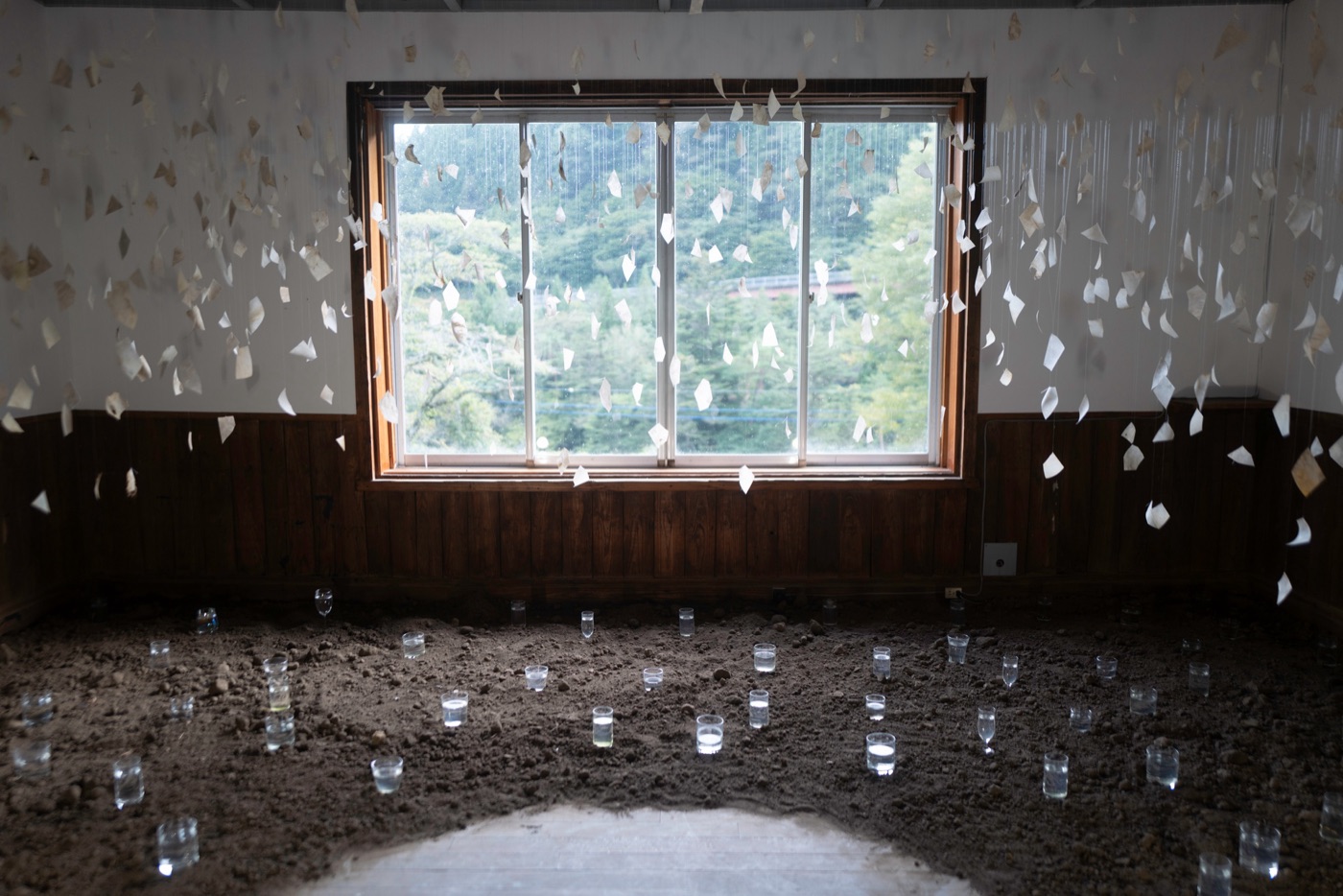
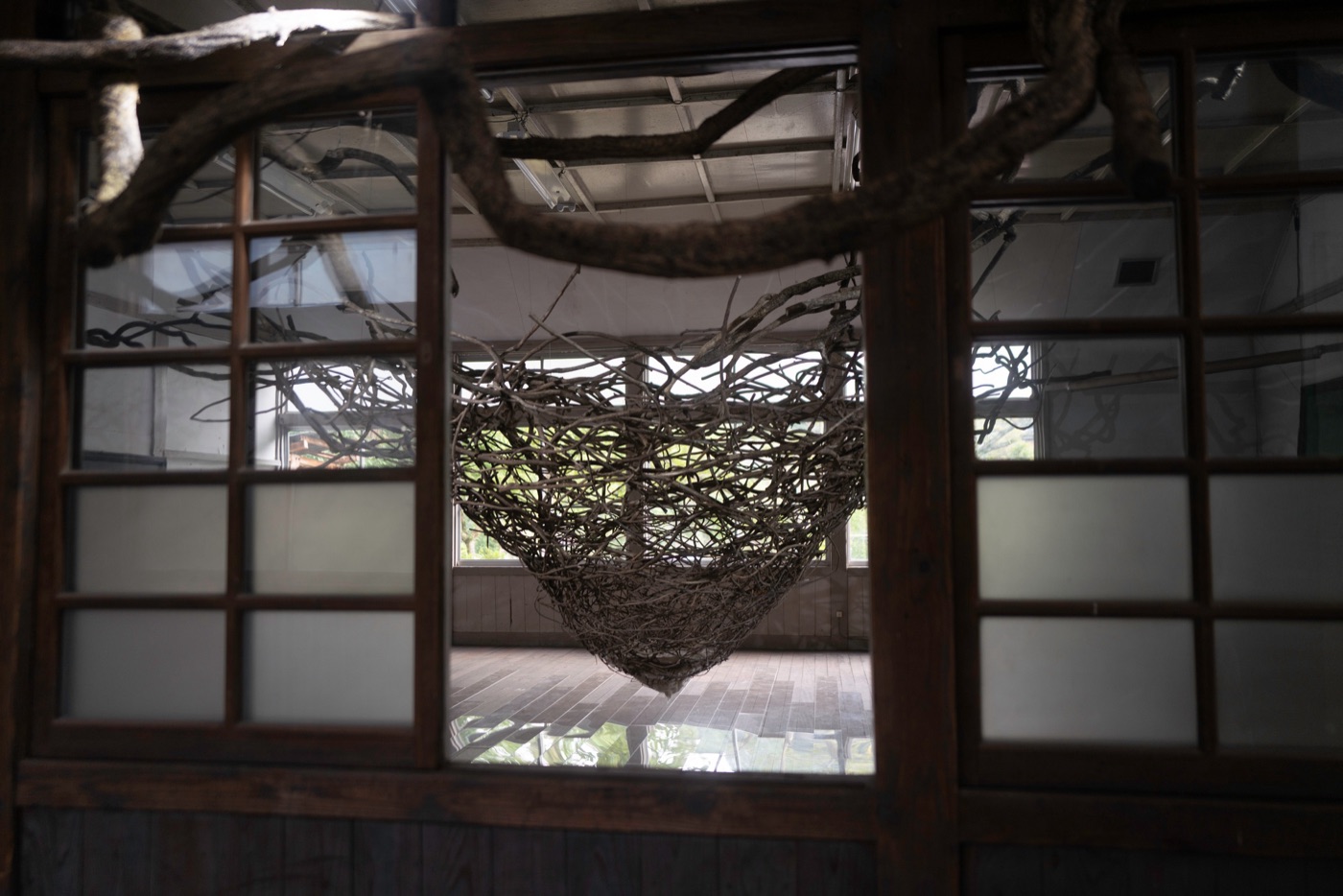
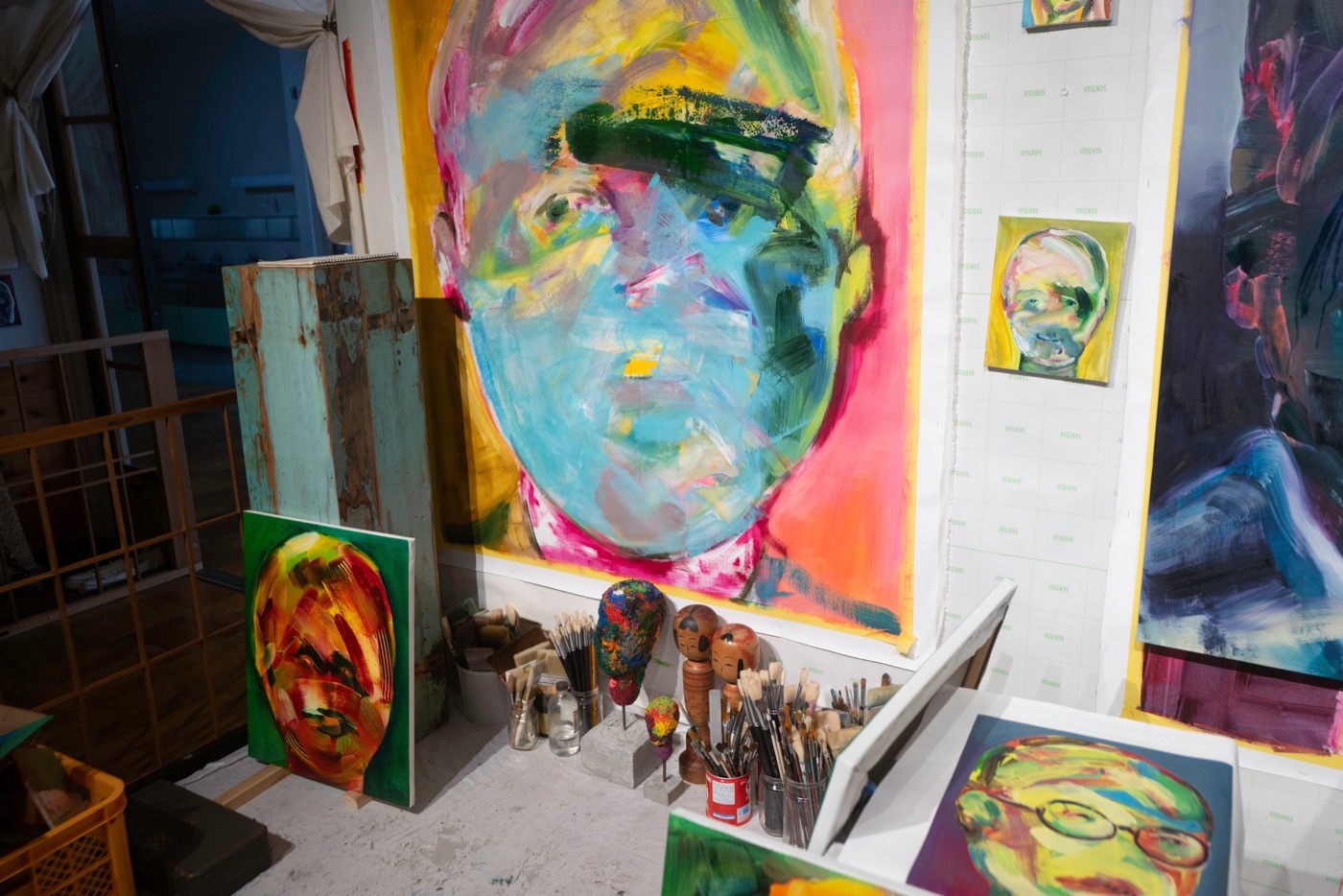
Installations vary widely in medium and approach. Past editions have featured large-scale sculptures in overgrown schoolyards, video works projected onto the walls of former storehouses, sound installations that respond to the acoustics of wooden buildings, and participatory pieces inviting visitors to contribute. The interplay between artwork and setting is often the most compelling element. A piece installed in a disused classroom, surrounded by chalkboards and tiny desks, carries associations that the same work would not have in a white-walled gallery. The buildings themselves become part of the artistic statement — their age, their emptiness, and the lives that once filled them all feeding into the experience.
Gunma Prefecture and the Surrounding Area
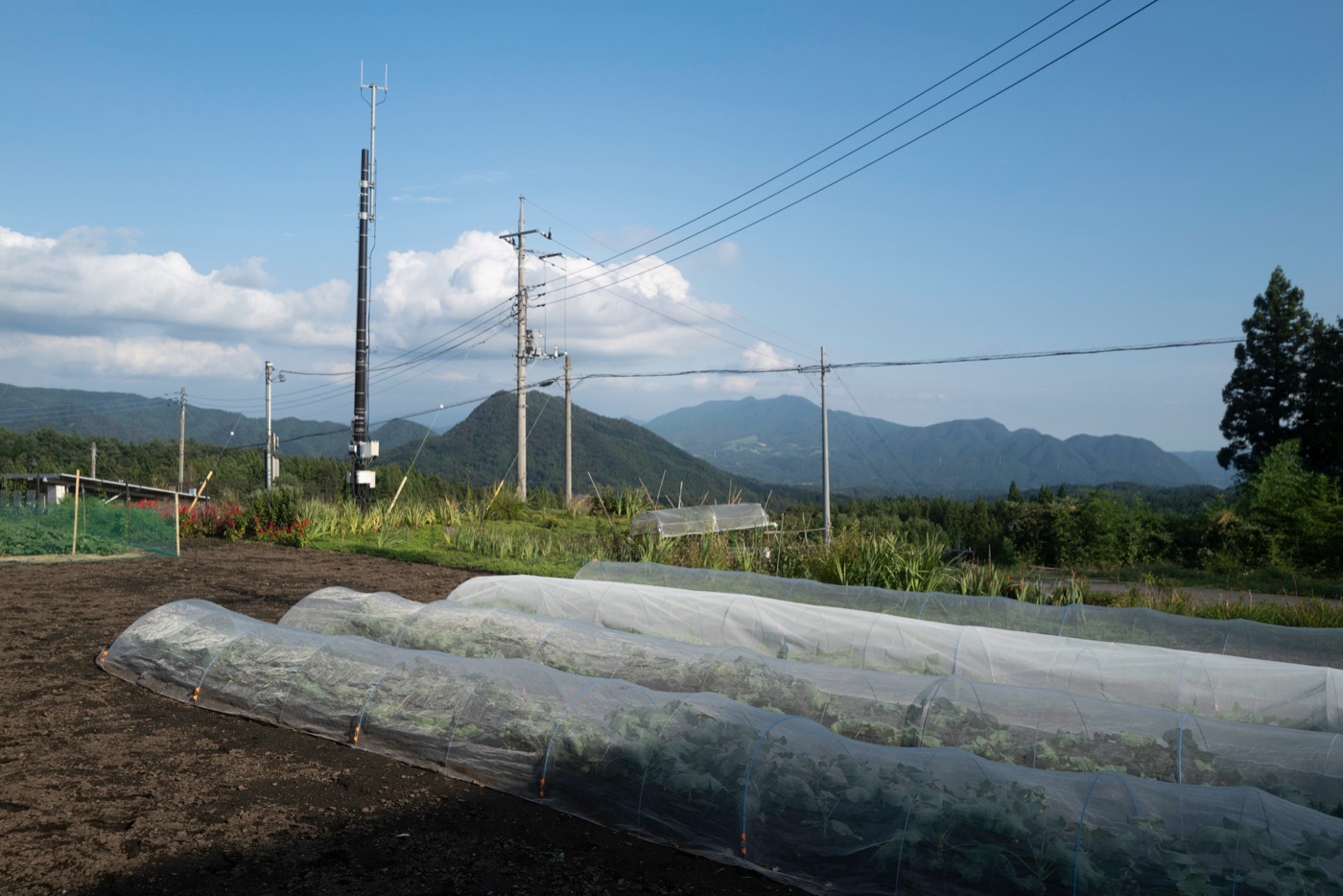
Gunma Prefecture occupies the northwestern corner of the Kanto Plain, bordered by mountains on three sides. It is known for its hot springs — Kusatsu Onsen and Ikaho Onsen are among the most famous in Japan — and a rugged landscape of gorges, waterfalls, and highland pastures. Nakanojo sits along the Agatsuma River, and the surrounding area includes Shima Onsen with its cobalt-blue Okushima Lake, and the Agatsuma Gorge, both worthwhile side trips during a biennale visit. The combination of contemporary art and natural scenery gives the trip a texture that purely urban art festivals cannot offer.
How to Visit
Nakanojo is accessible from Tokyo via the JR Agatsuma Line from Takasaki Station. The journey from Tokyo Station to Nakanojo takes roughly two and a half hours, including a transfer at Takasaki on the Joetsu Shinkansen. During the biennale, shuttle buses typically connect the train station with the various exhibition venues, though having a car gives considerably more flexibility, especially for reaching outlying sites. The festival usually runs for several weeks in autumn, with specific dates announced on the official website. A single pass covers admission to all venues. Accommodation in Nakanojo is limited, so many visitors stay in nearby onsen towns or make the trip as a long day excursion from Tokyo. The pace of the festival rewards a slow approach — rushing between sites misses the point entirely.