A Museum Within a Sacred Forest
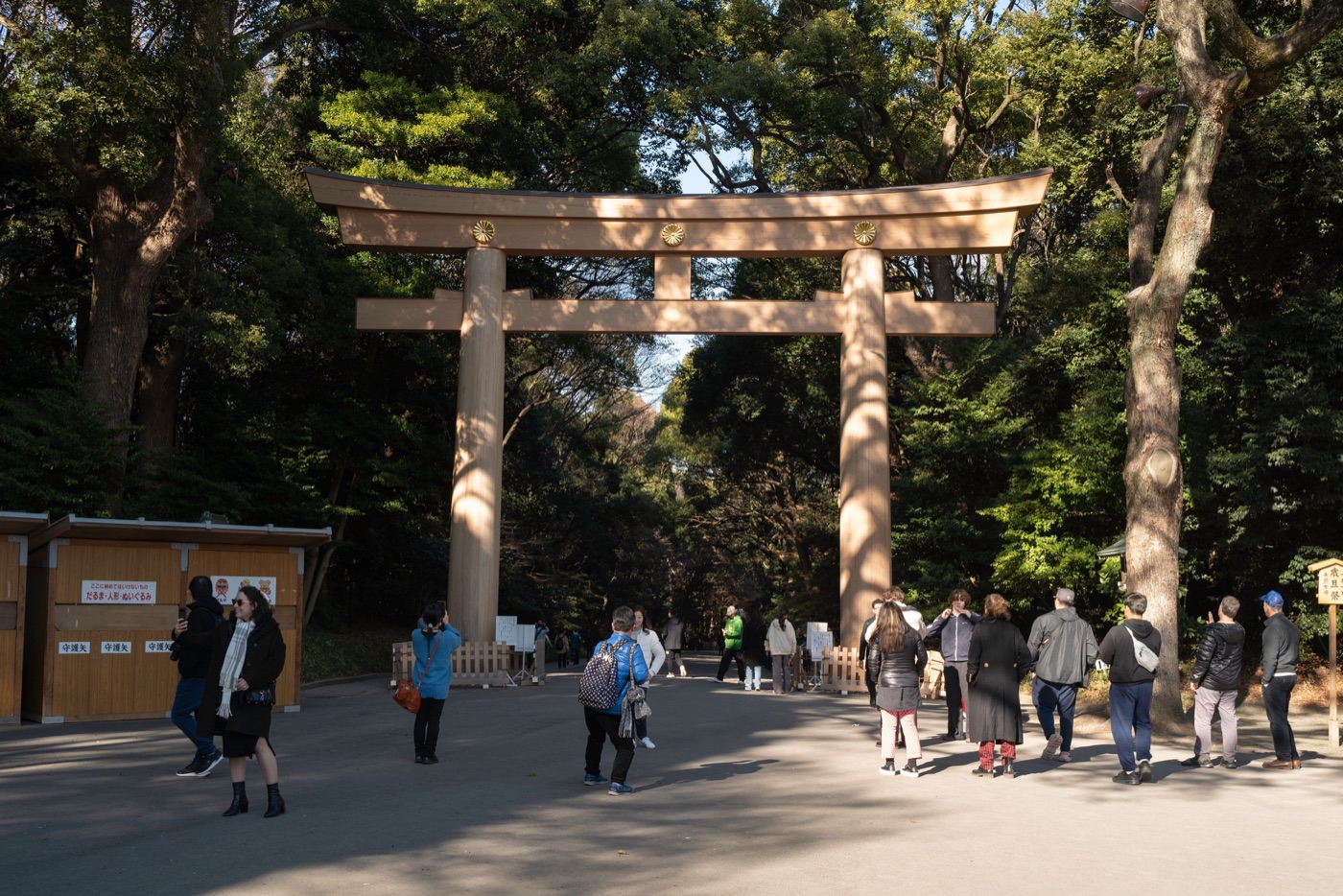
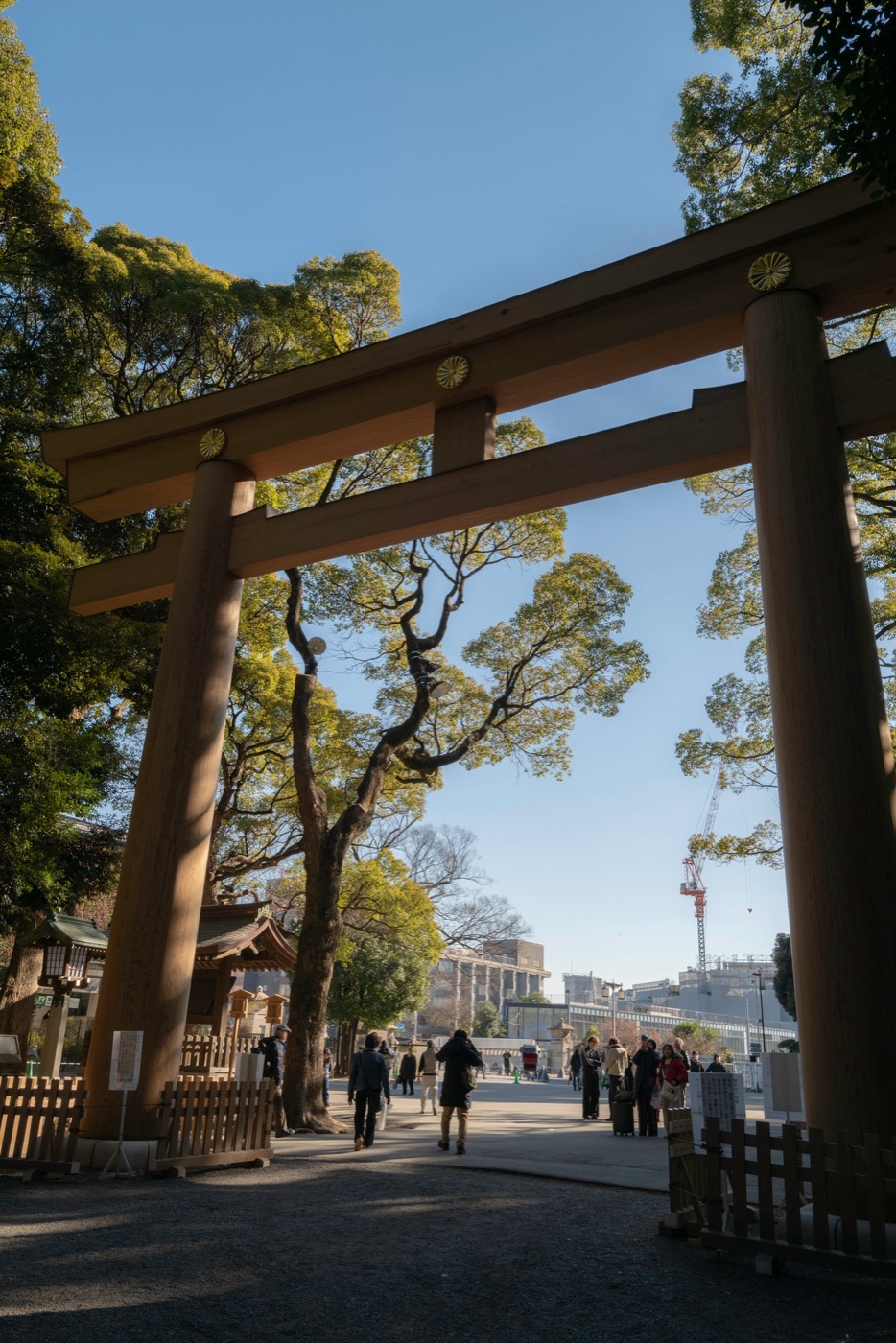
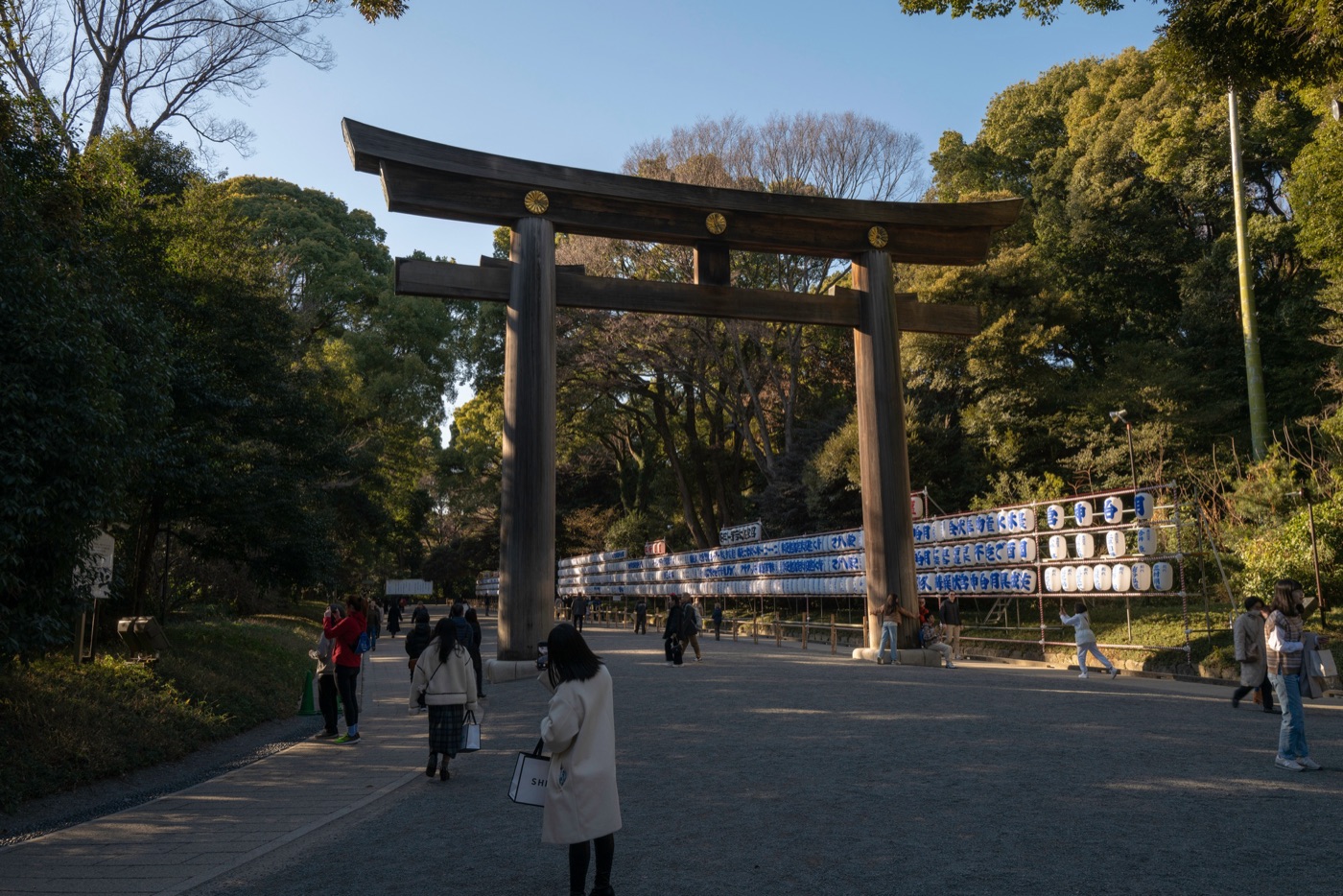
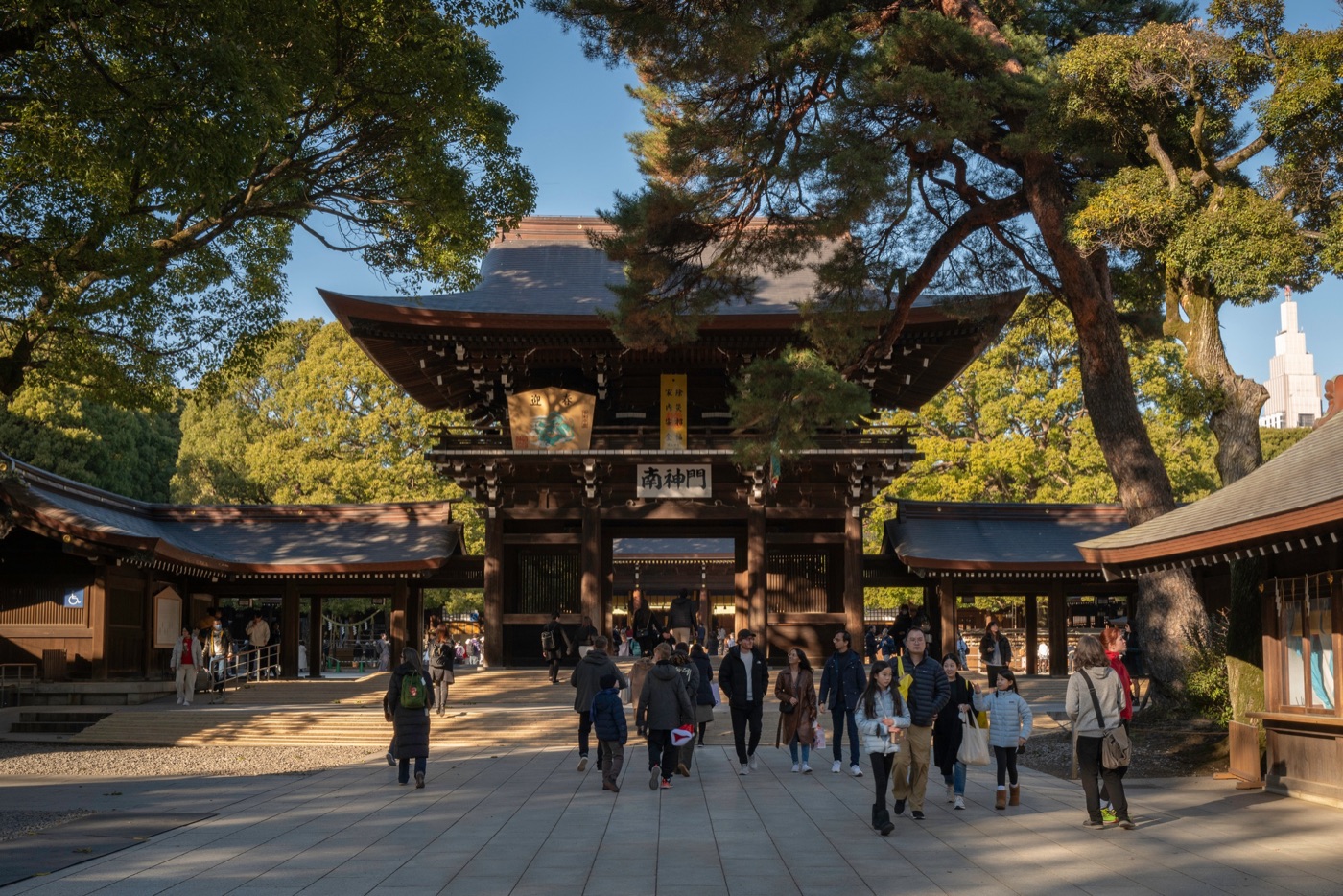
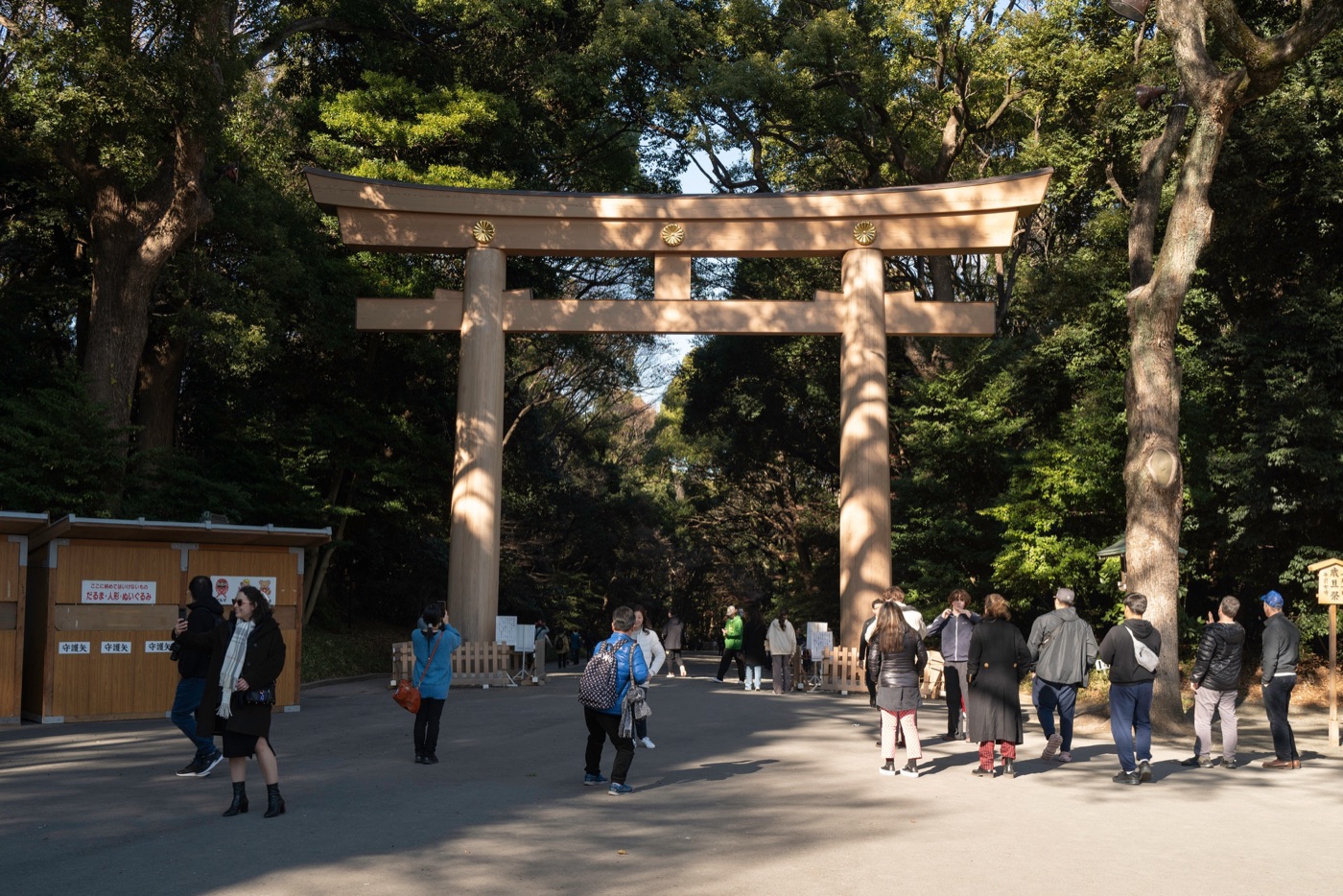
The Meiji Jingu Museum occupies a singular position among Tokyo’s cultural institutions. Located within the grounds of Meiji Jingu shrine, the museum exists as part of a larger spiritual and natural landscape. The surrounding forest, planted a century ago with 100,000 trees donated from across Japan, has grown into dense woodland between Harajuku and Shinjuku. Walking to the museum means passing through this forest first, and the transition from urban noise to wooded quiet is part of the experience. The museum opened in 2019 for the shrine’s centennial, presenting artifacts related to Emperor Meiji and Empress Shoken.
Kengo Kuma’s Architectural Vision
The building was designed by Kengo Kuma, one of Japan’s most internationally recognized architects and designer of the New National Stadium. At Meiji Jingu, Kuma pursued architecture that “disappears” into its surroundings. The structure is low-slung and horizontal, its roofline barely rising above the tree canopy. The exterior is clad in Japanese cypress (hinoki), the same wood used in shrine construction, creating material continuity with the sacred buildings nearby. Interior spaces feature warm wood surfaces, natural light, and floor-to-ceiling windows framing forest views. The effect is one of integration rather than imposition.
The Exhibitions
The collection centers on personal belongings and ceremonial objects of the imperial couple. Key exhibits include the horse-drawn carriage used by Emperor Meiji, court garments, calligraphy, and photographs documenting the Meiji era (1868-1912) — the period of Japan’s opening to the world and rapid industrialization. Items are given generous space with careful lighting that emphasizes craftsmanship. The carriage hall, where the imperial coach sits in a double-height space flooded with natural light, is the museum’s most striking interior.
Connection to Meiji Jingu Shrine
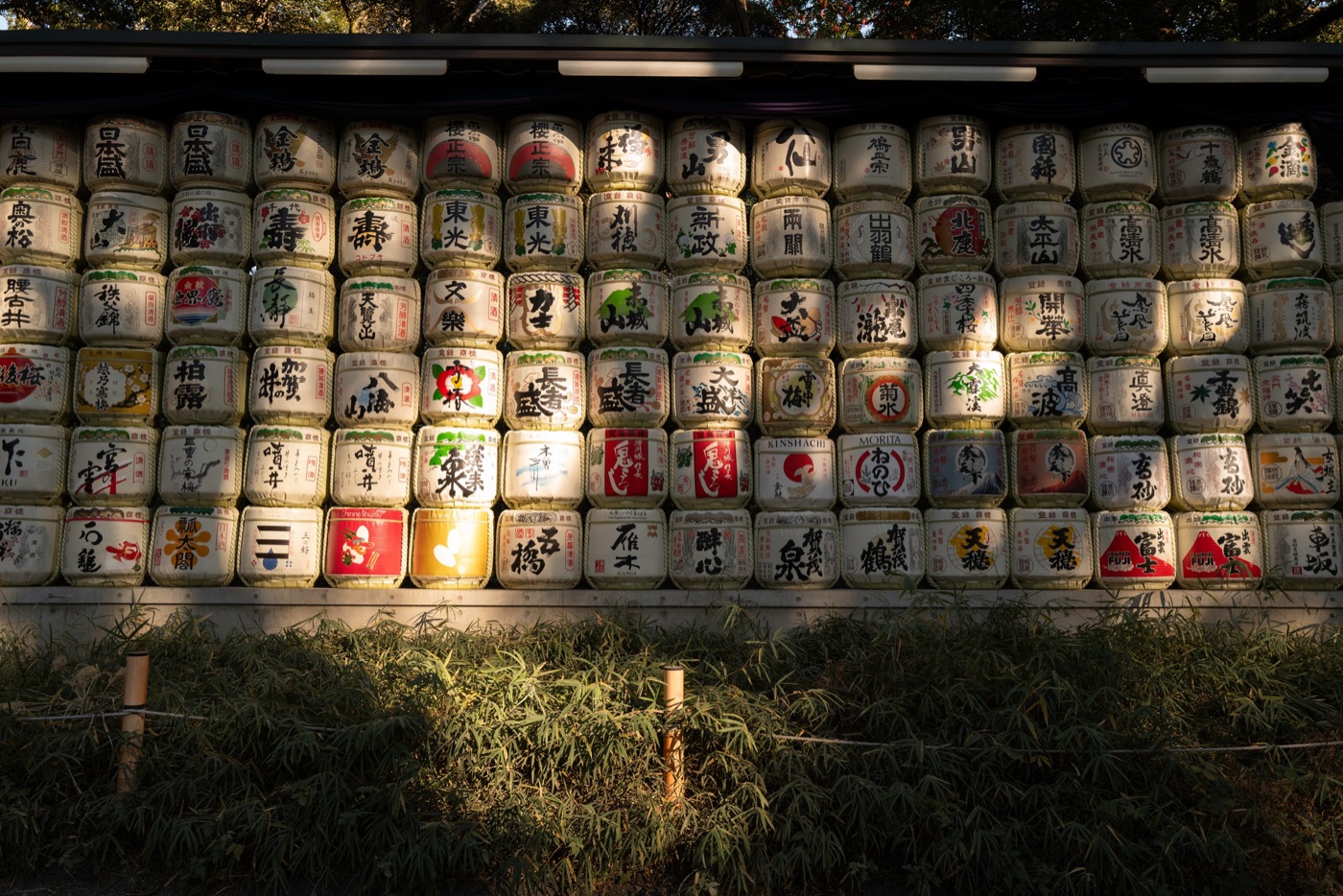
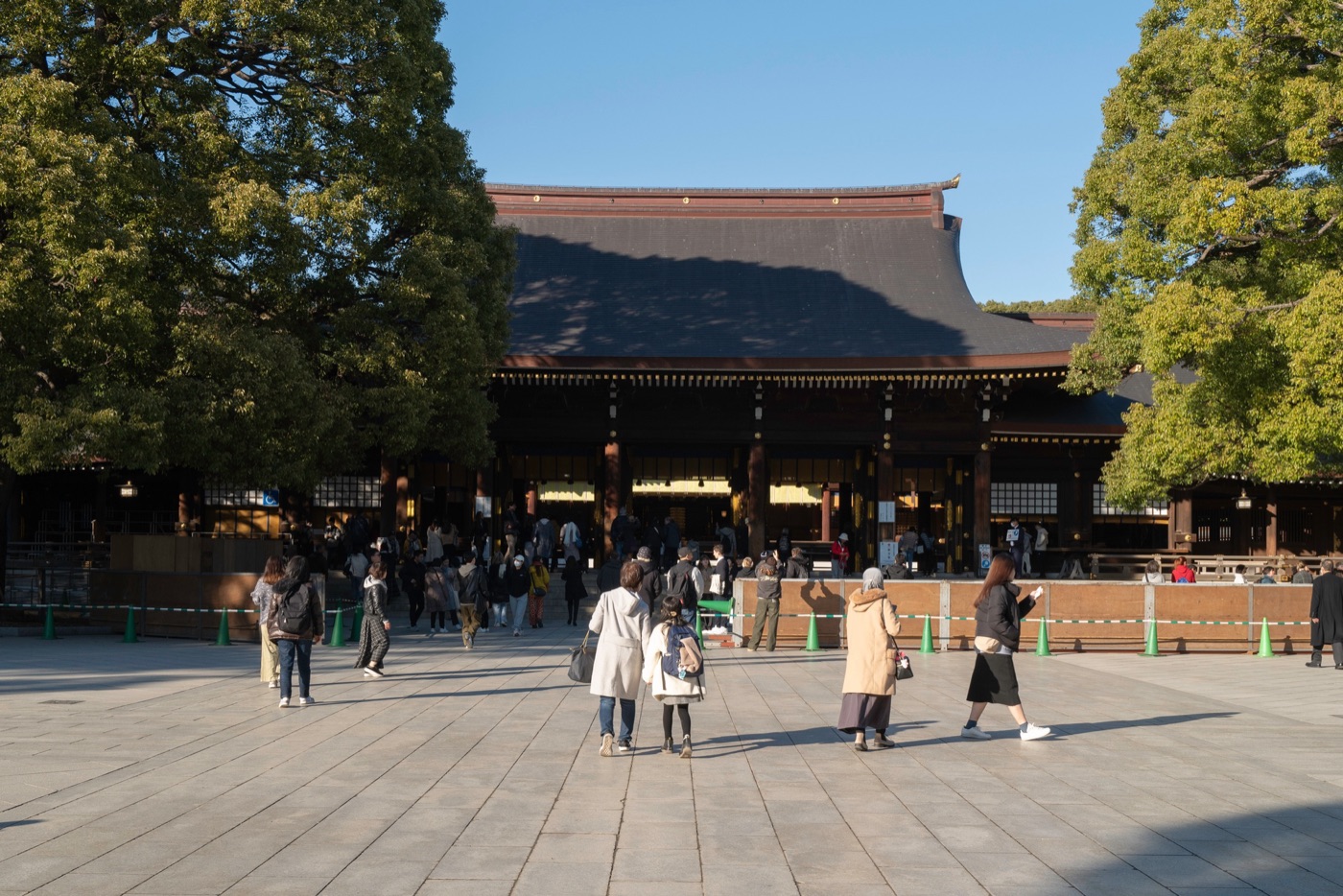
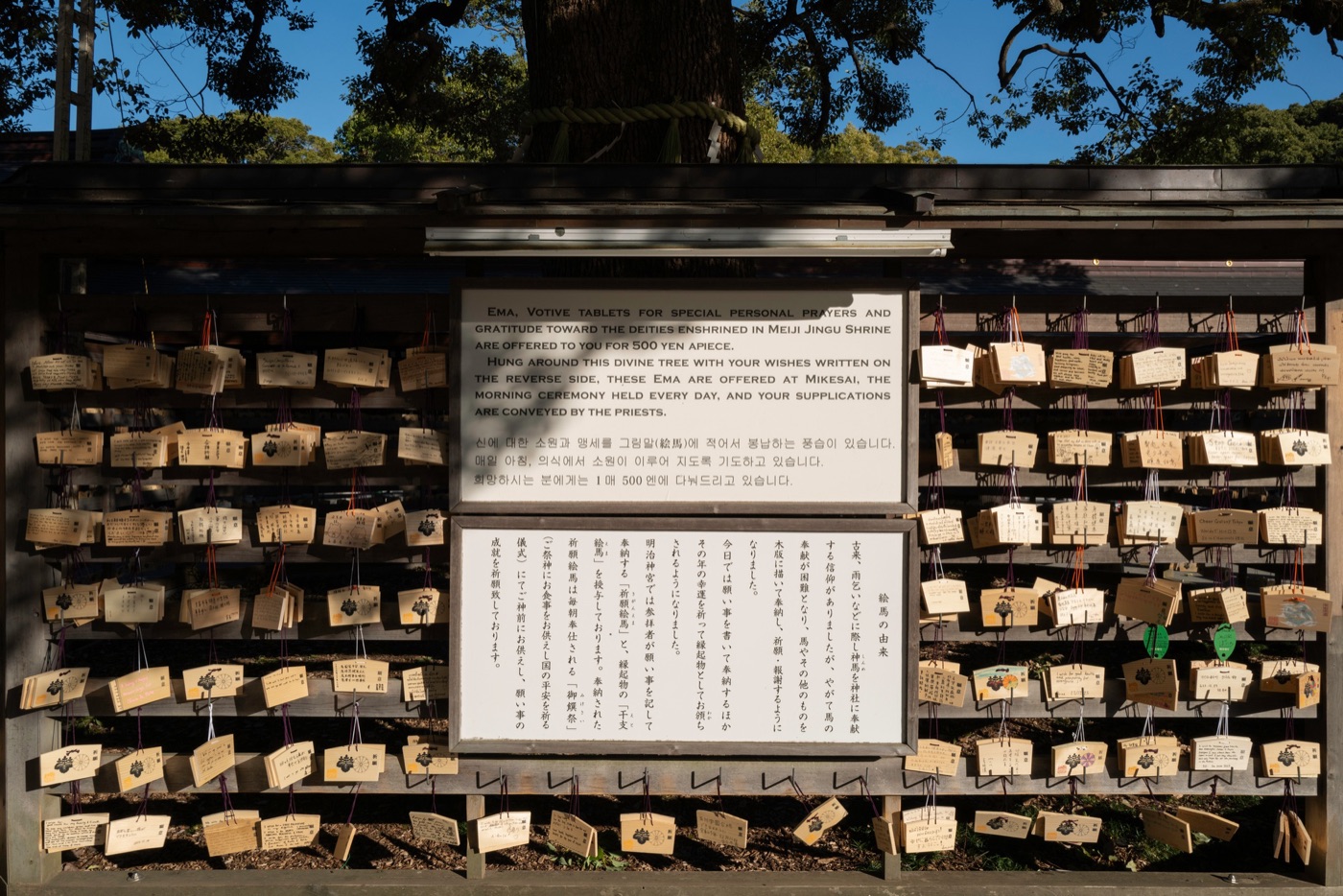
The Meiji Jingu shrine, which the museum adjoins, is dedicated to the deified spirits of Emperor Meiji and Empress Shoken. It draws millions annually and hosts major Shinto ceremonies, including Japan’s largest New Year’s gathering. The museum functions as an interpretive companion — the shrine communicates reverence, while the museum provides historical narrative and artifacts that deepen that reverence into awareness.
Practical Information for Visitors
The museum is in the southern section of the Meiji Jingu inner garden. The nearest stations are Harajuku (JR Yamanote Line) and Meiji-jingumae (Tokyo Metro Chiyoda and Fukutoshin lines), with a 10-15 minute walk through the shrine grounds. Admission is 1,000 yen for adults. The compact museum can be visited in 45 minutes to an hour. Combining it with the shrine grounds and the adjacent Meiji Jingu Gyoen (known for its iris garden in June) makes a half-day itinerary that moves from urban Harajuku through sacred forest to historical reflection.