A Neighborhood That Feels Like Old Tokyo
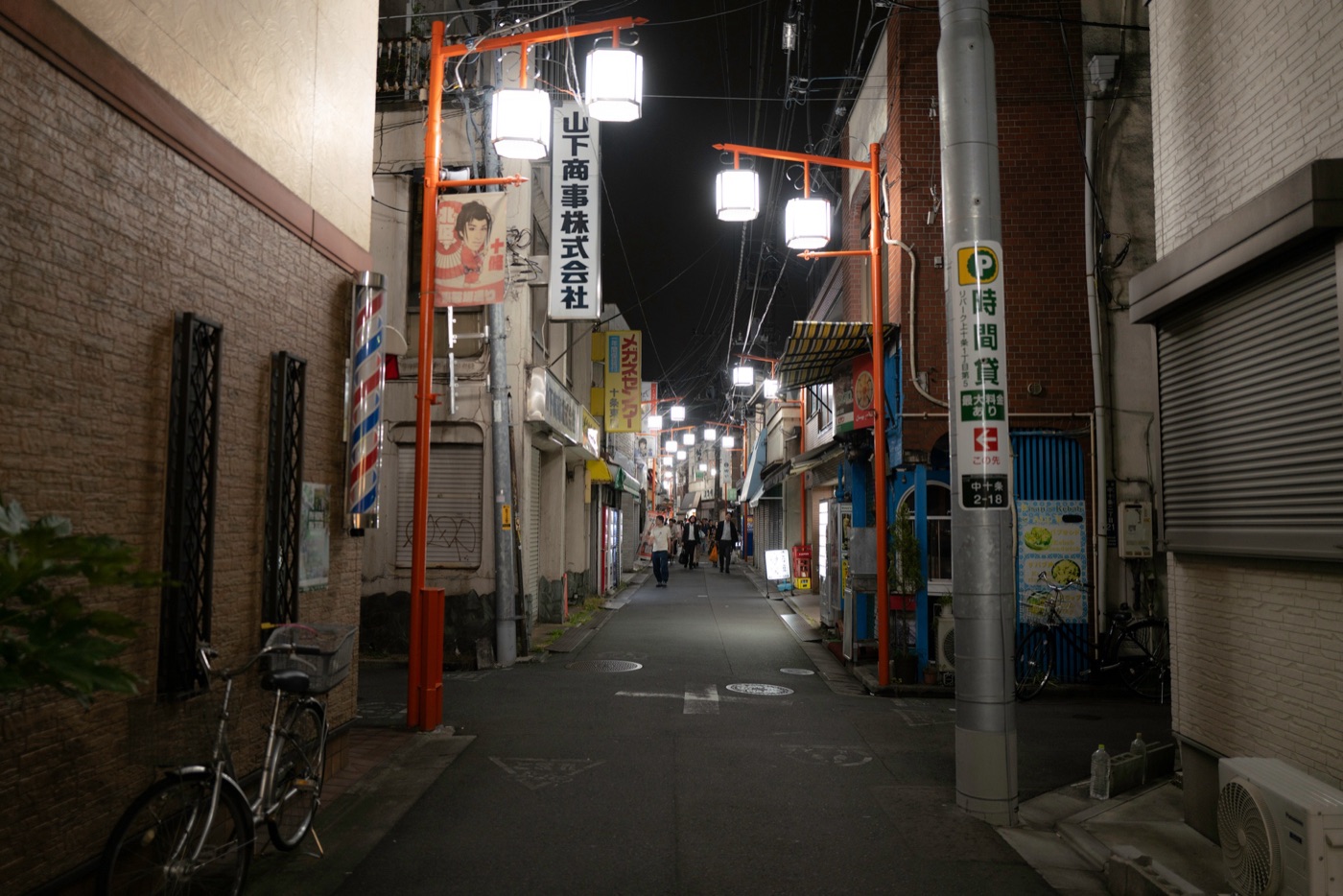
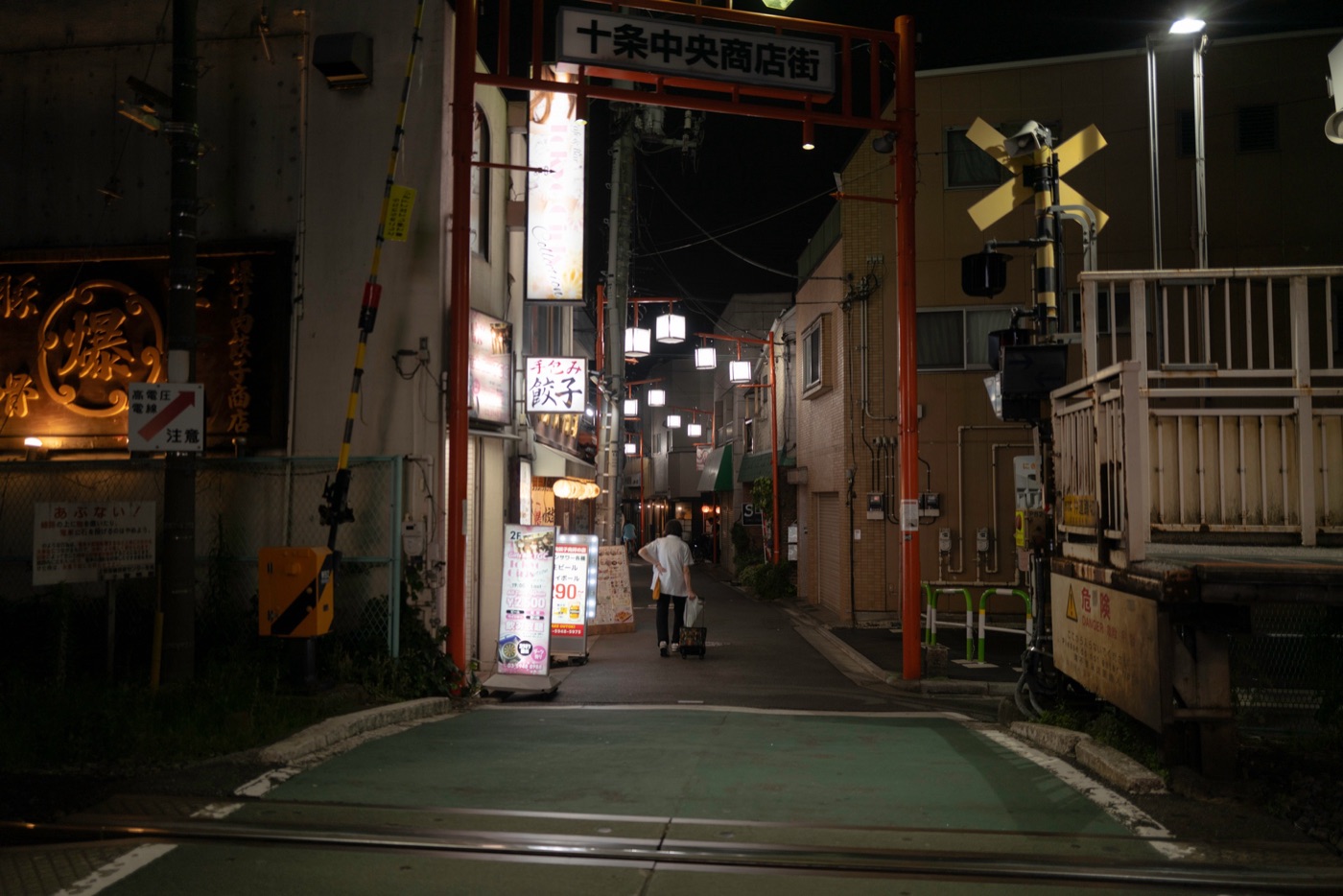
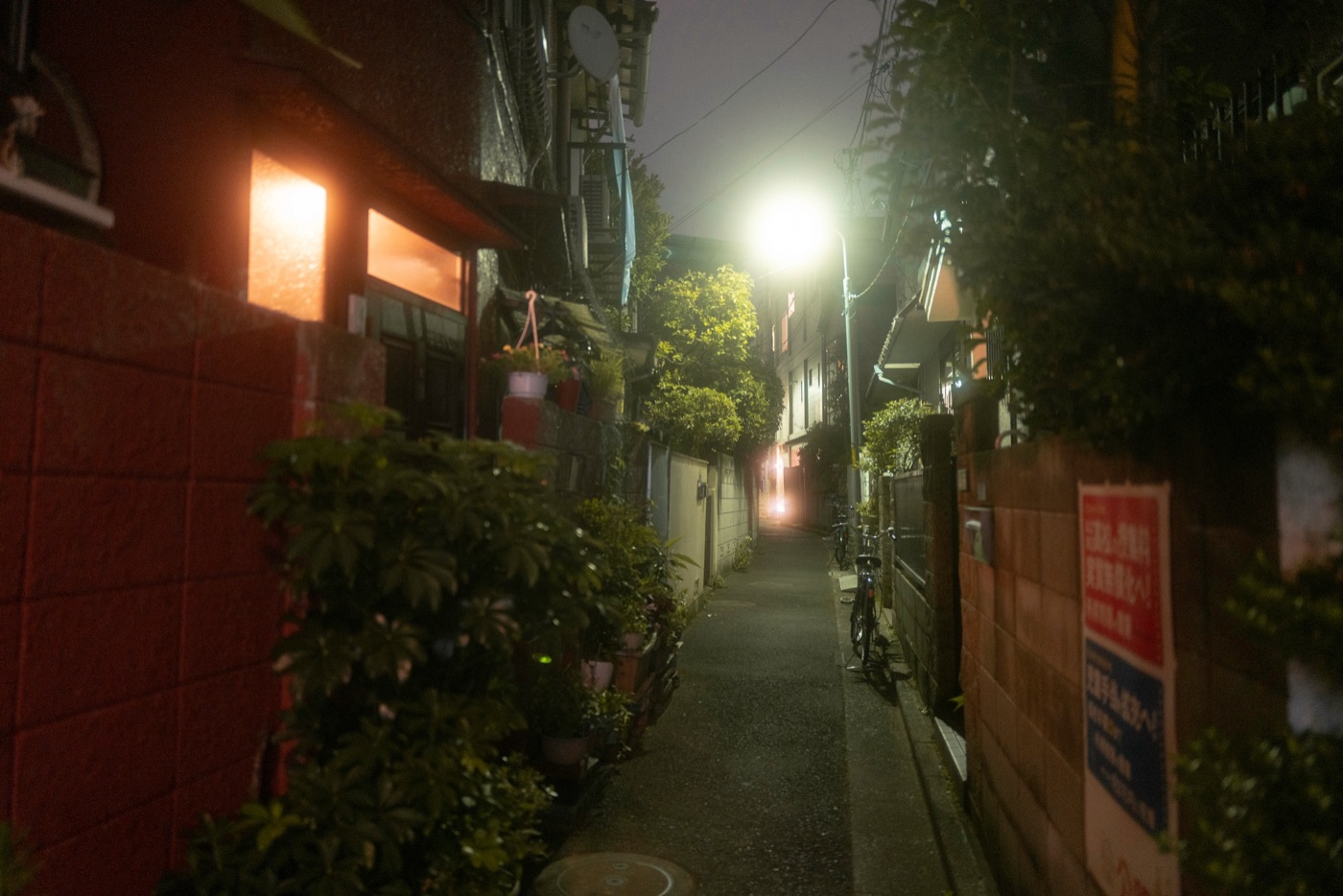
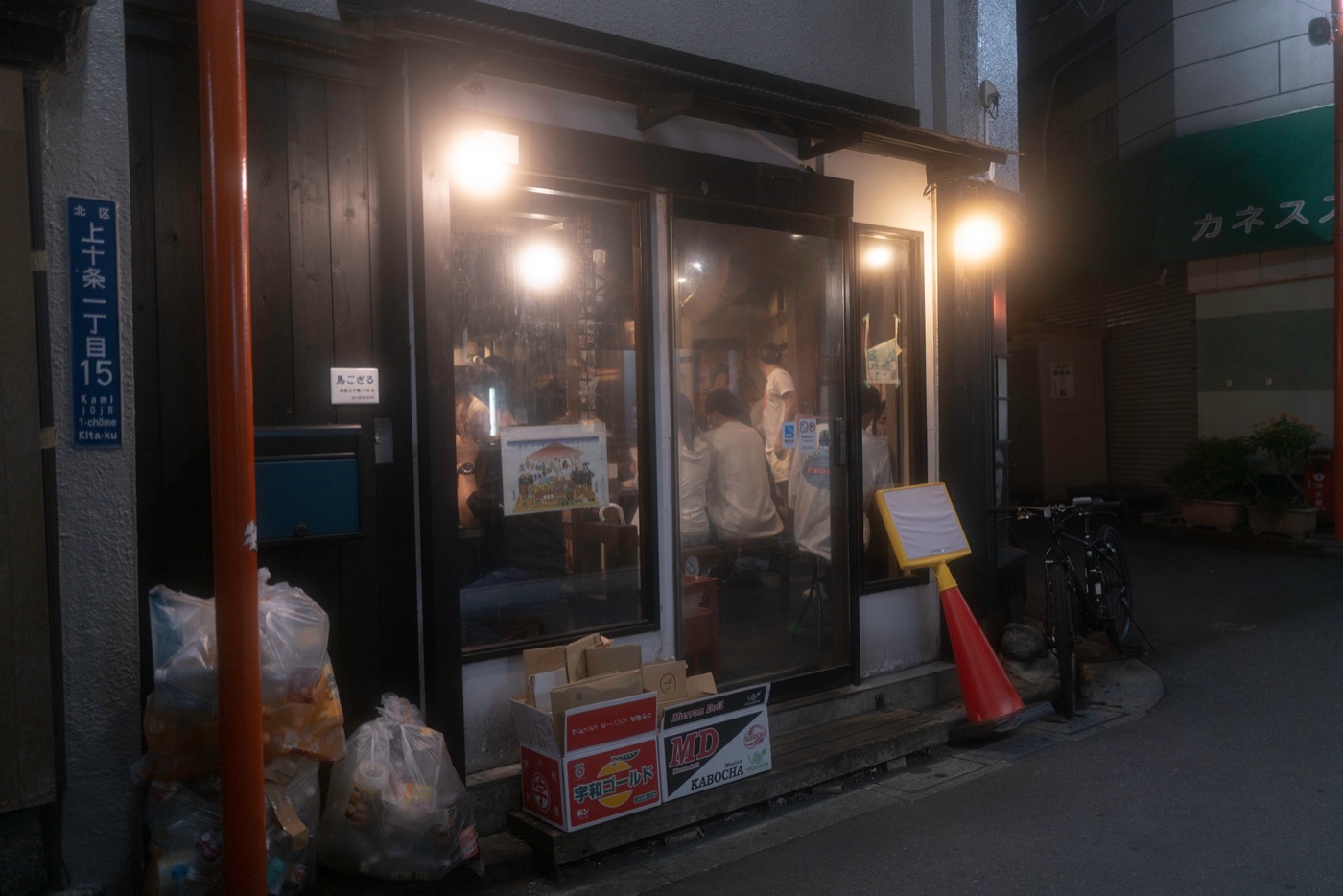
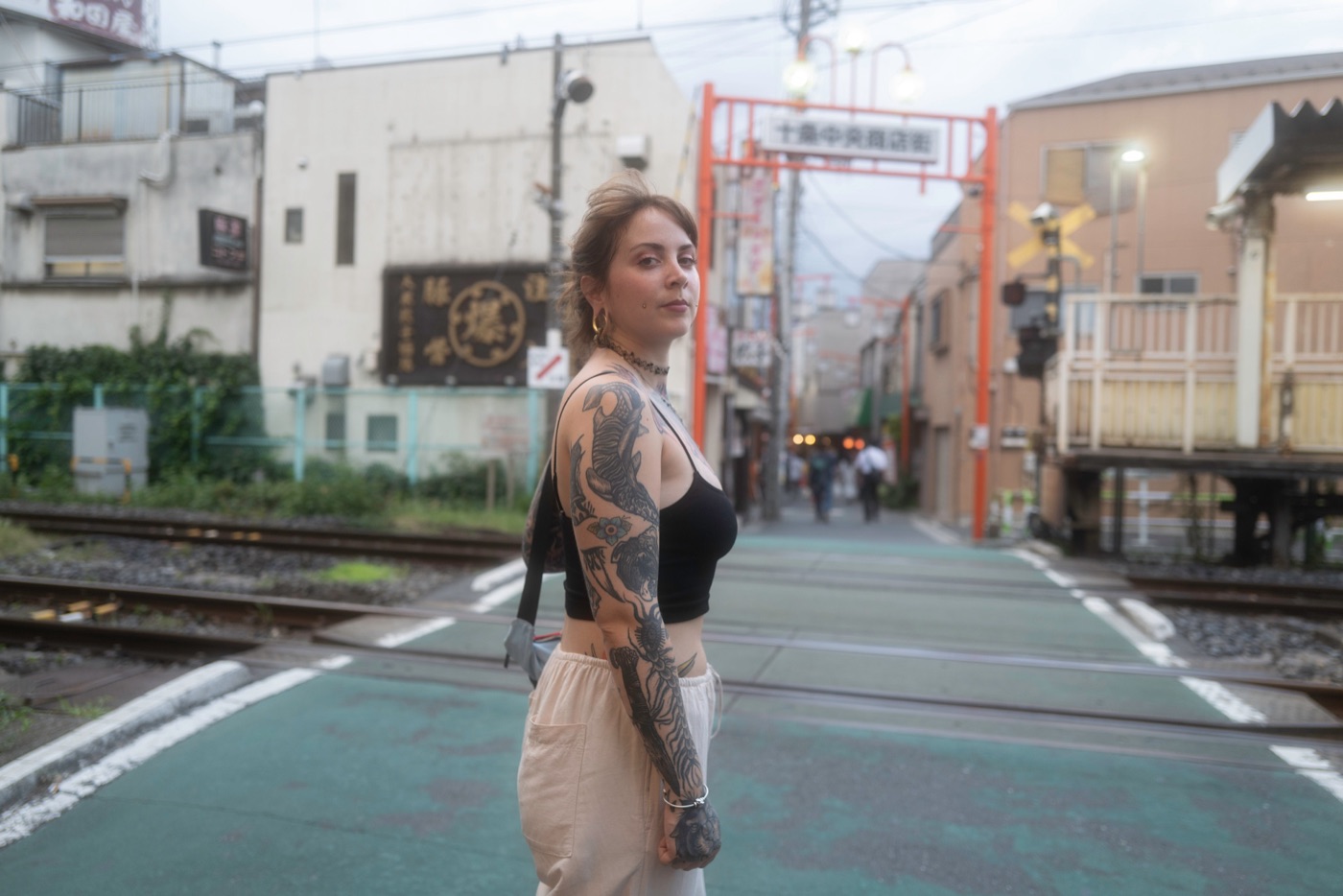
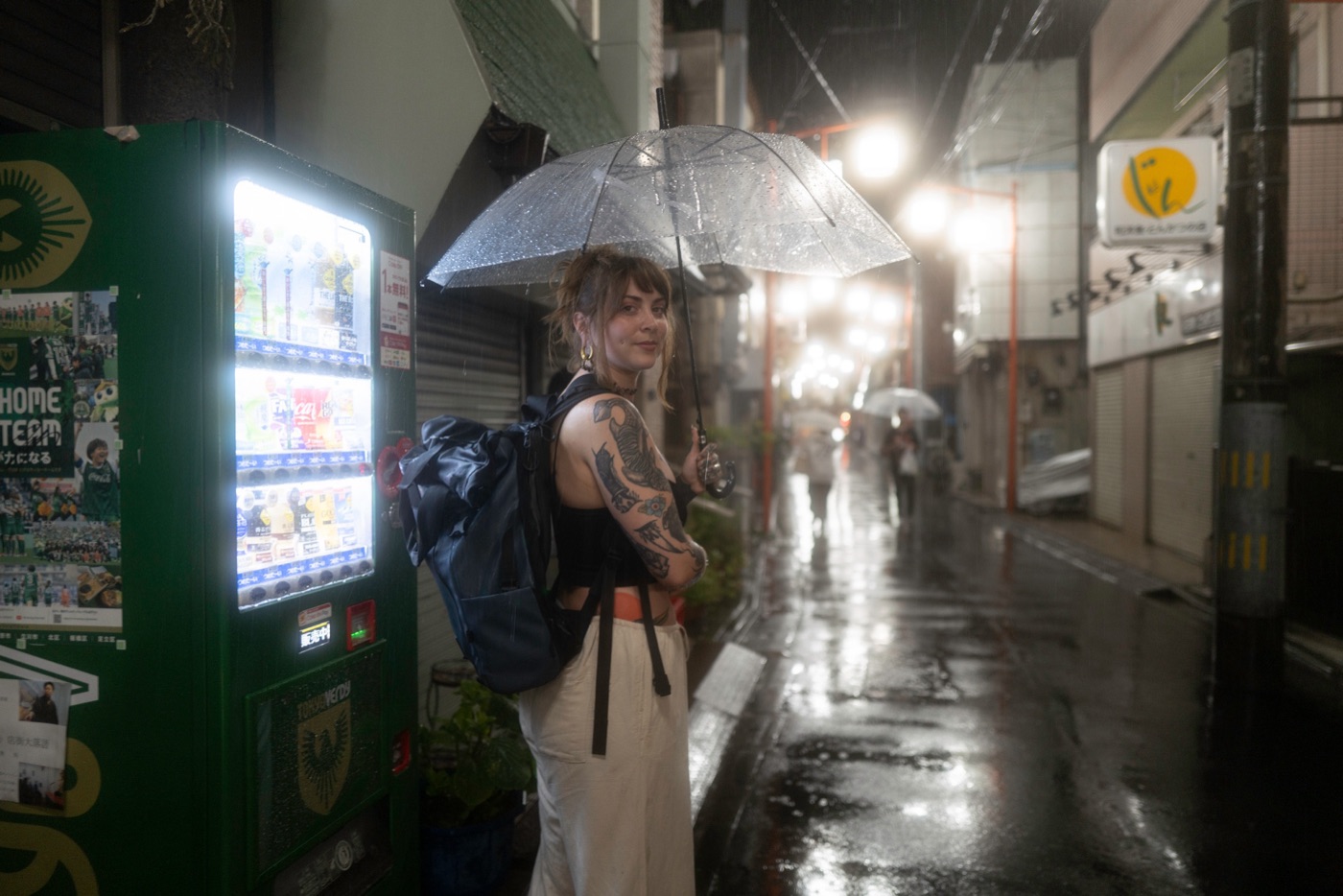
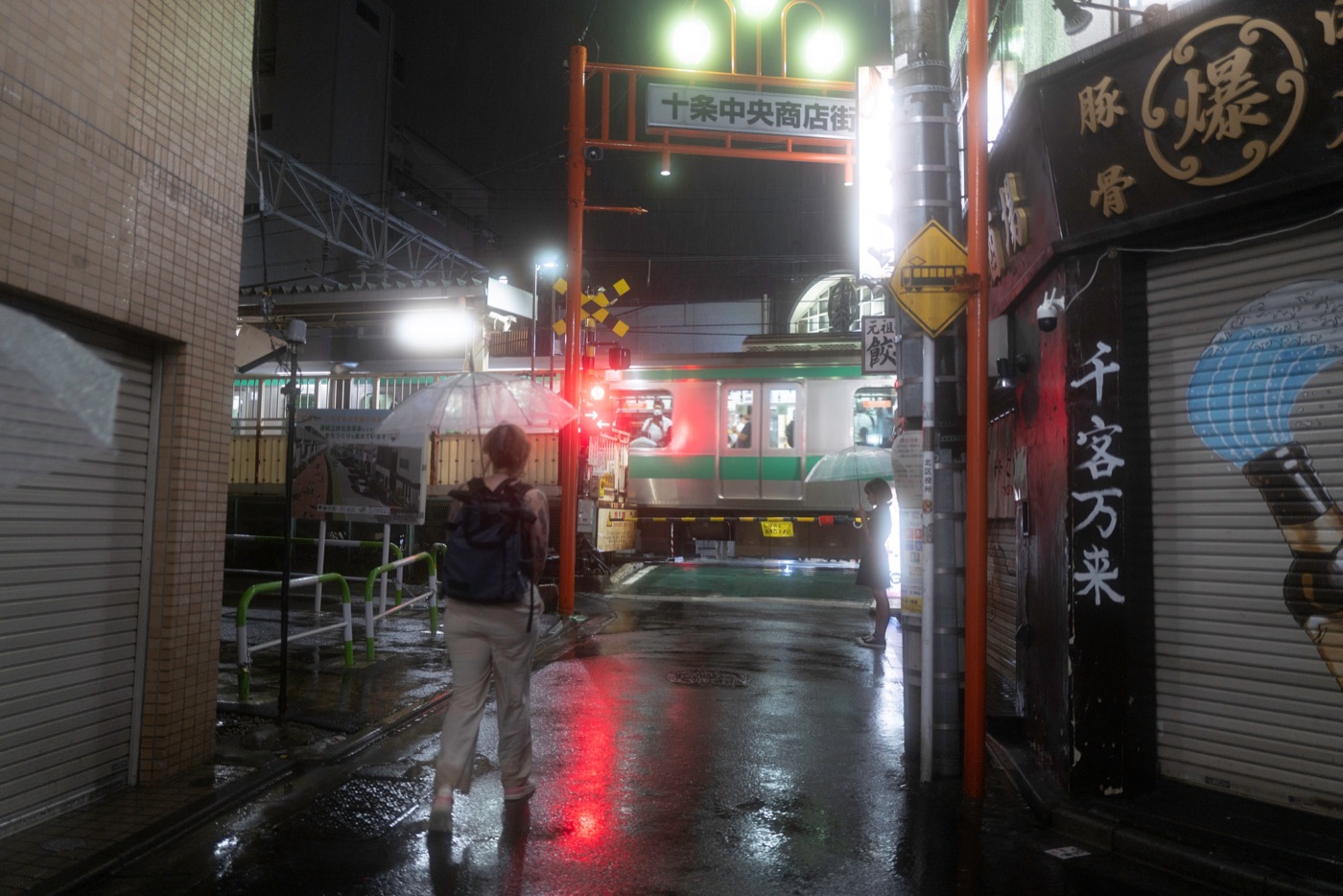
Jujo sits in Kita Ward, in the northern reaches of Tokyo, well away from the tourist circuits of Shibuya and Shinjuku. It is the kind of neighborhood that guidebooks tend to skip, which is precisely what makes it worth visiting. The streets around the station have a lived-in quality — laundry hanging from apartment balconies, elderly residents chatting outside the greengrocer, bicycles parked in every available gap. There is nothing curated or self-conscious about Jujo. It simply carries on as a working neighborhood, and for visitors who want to see how most Tokyoites actually live, that ordinariness is the attraction. The pace here is slower, the prices are lower, and the atmosphere is welcoming in an unpretentious way.
Jujo Ginza Shotengai
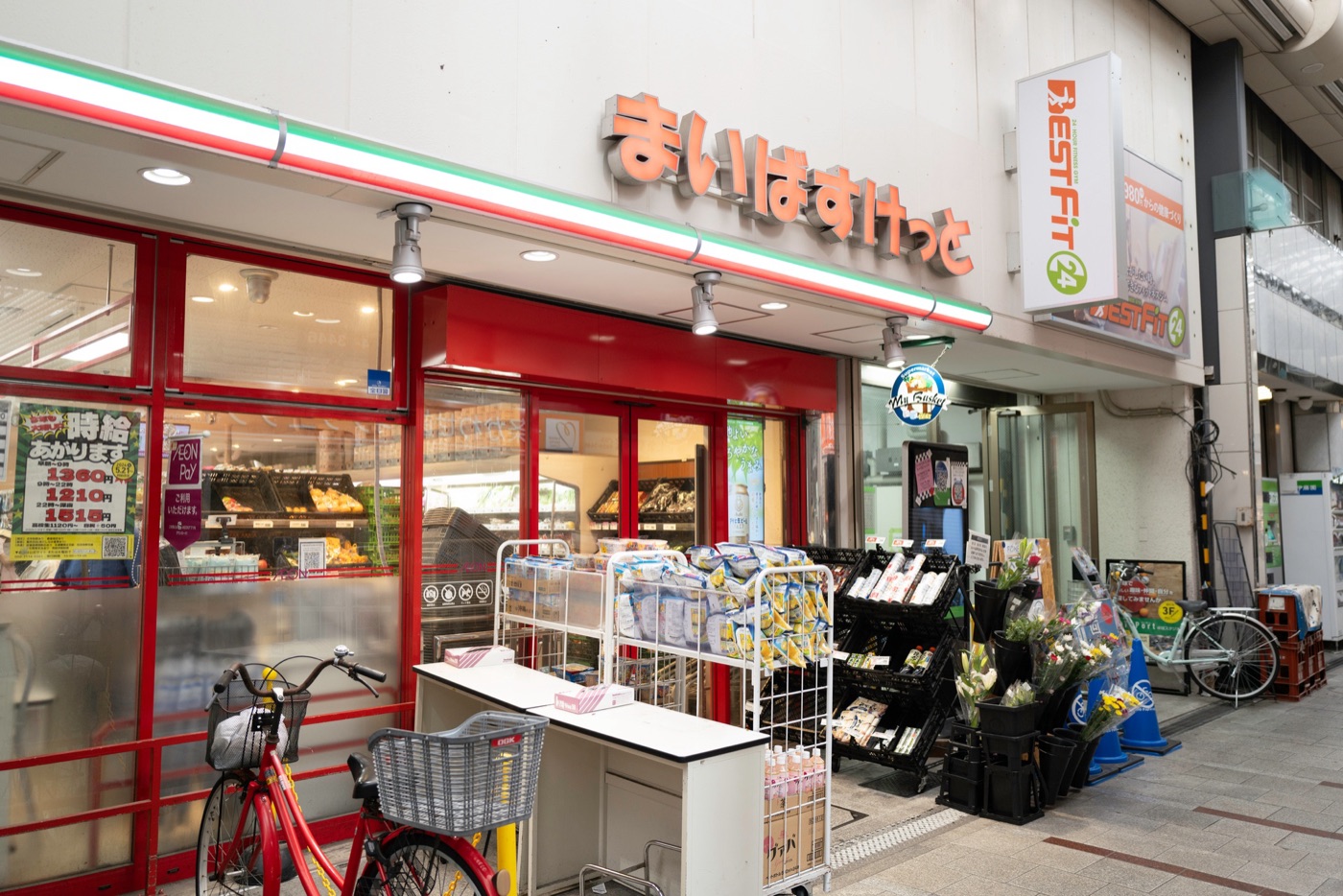
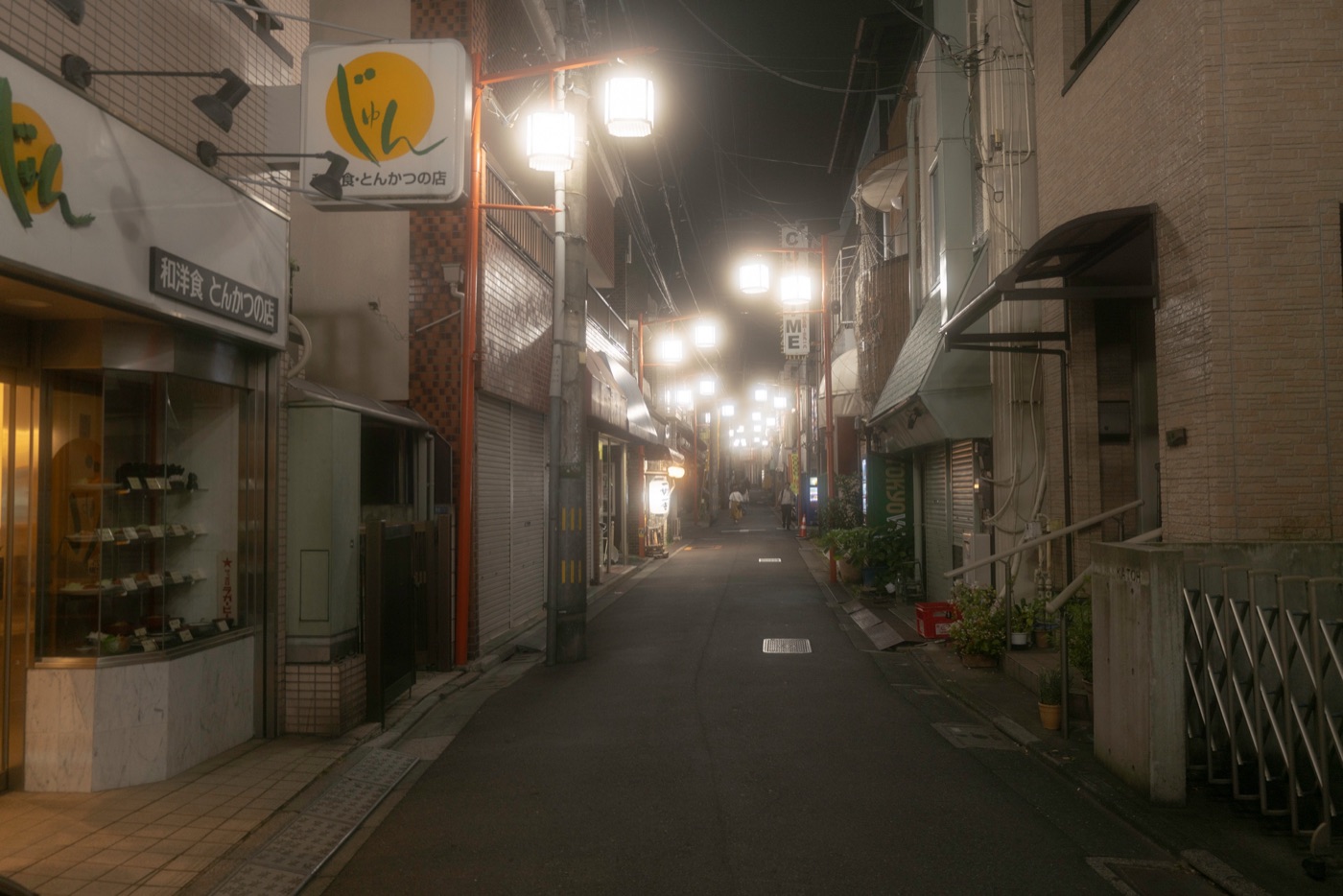
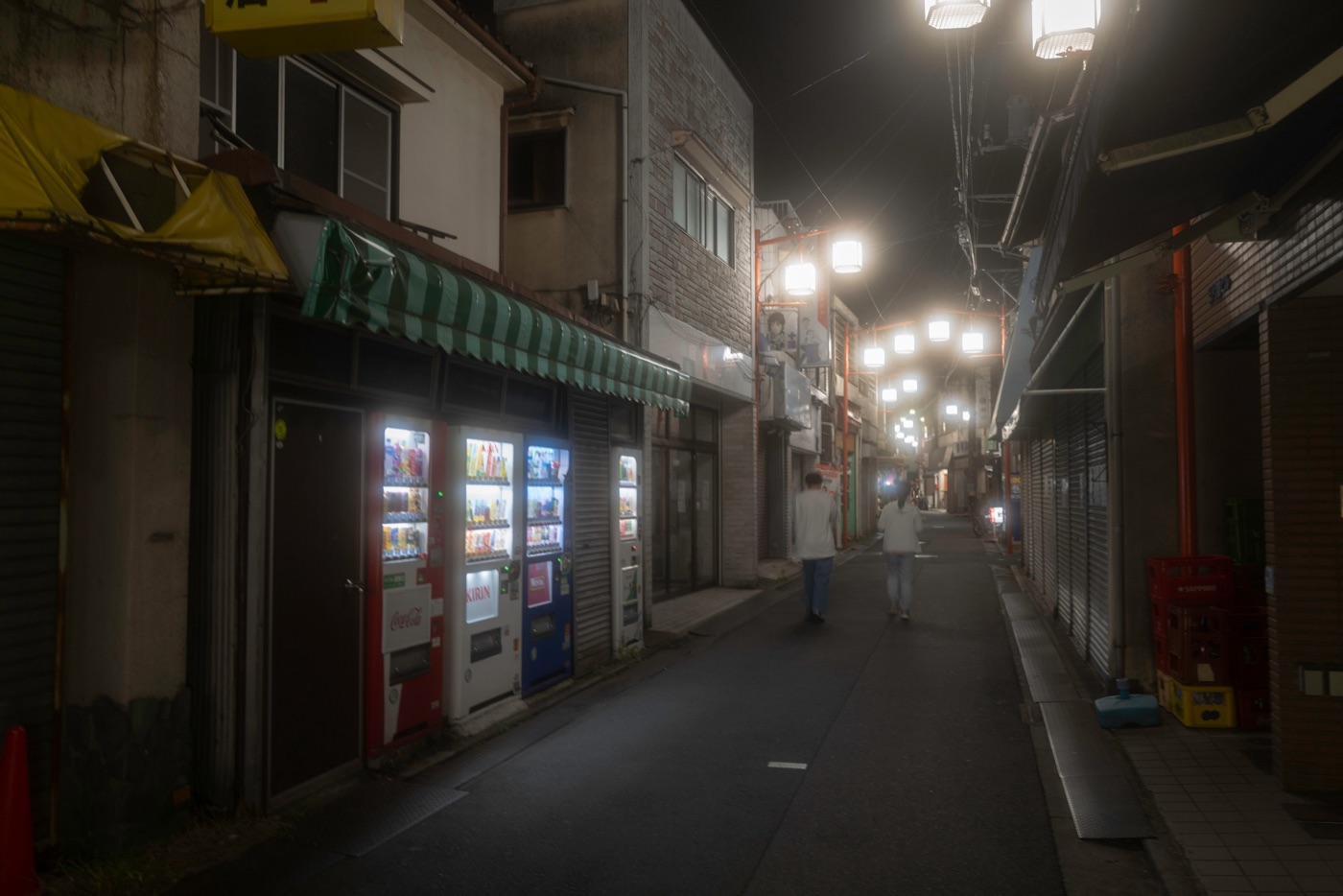
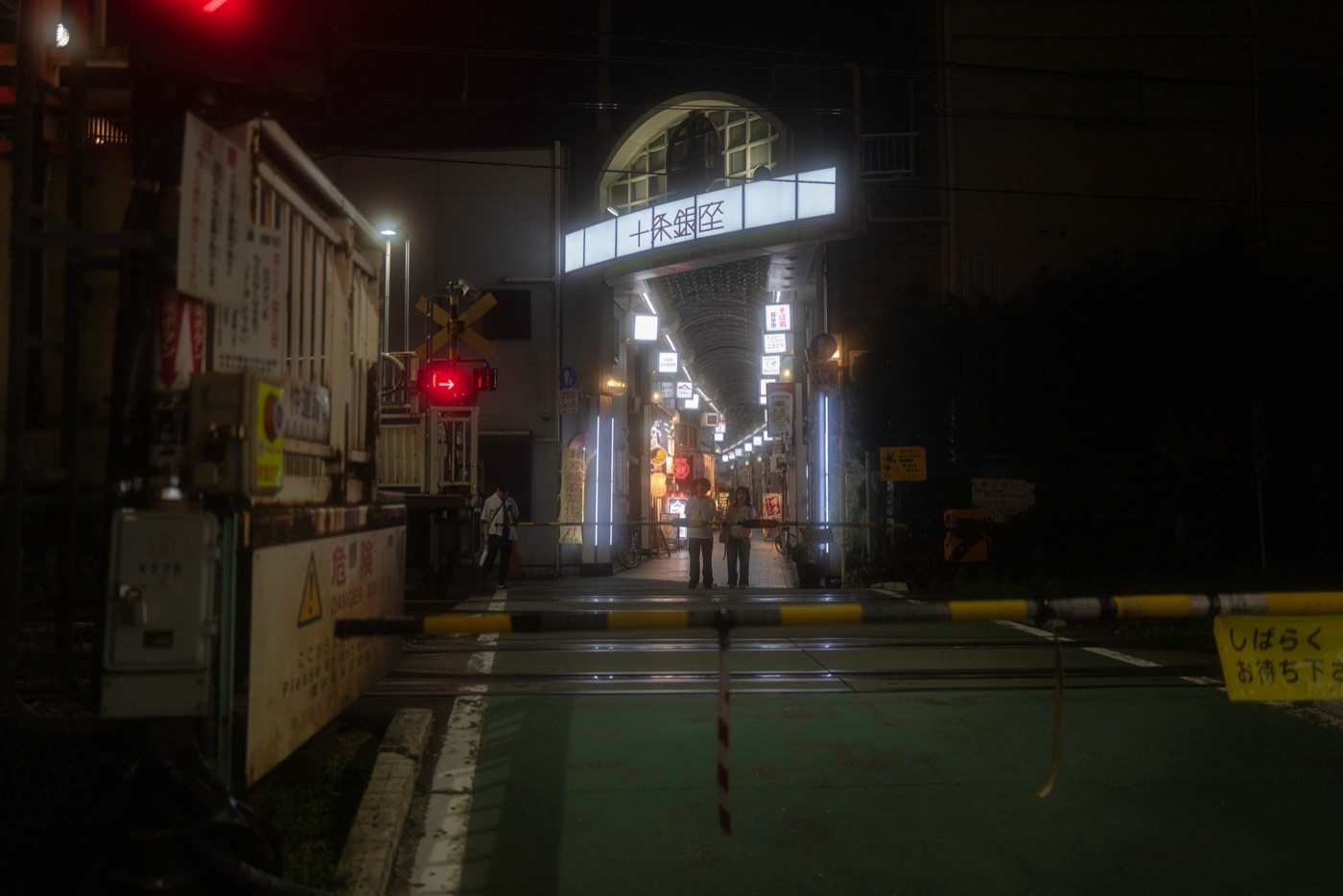
The centerpiece of the neighborhood is Jujo Ginza, one of the liveliest covered shopping streets in northern Tokyo. Stretching for several hundred meters from the station area, the shotengai is lined with small shops selling everything from fresh tofu and pickles to household goods and clothing. Fishmongers arrange their catch on beds of ice, rice cracker shops stack their wares in open bins, and the smell of grilling yakitori drifts from small stalls. Unlike the polished shopping arcades of central Tokyo, Jujo Ginza retains a character that feels closer to the Showa era. Prices are notably lower here, and the shopkeepers tend to be talkative and friendly. On weekends the street fills with families and older couples doing their weekly shopping.
Fuji Soba and Everyday Eating
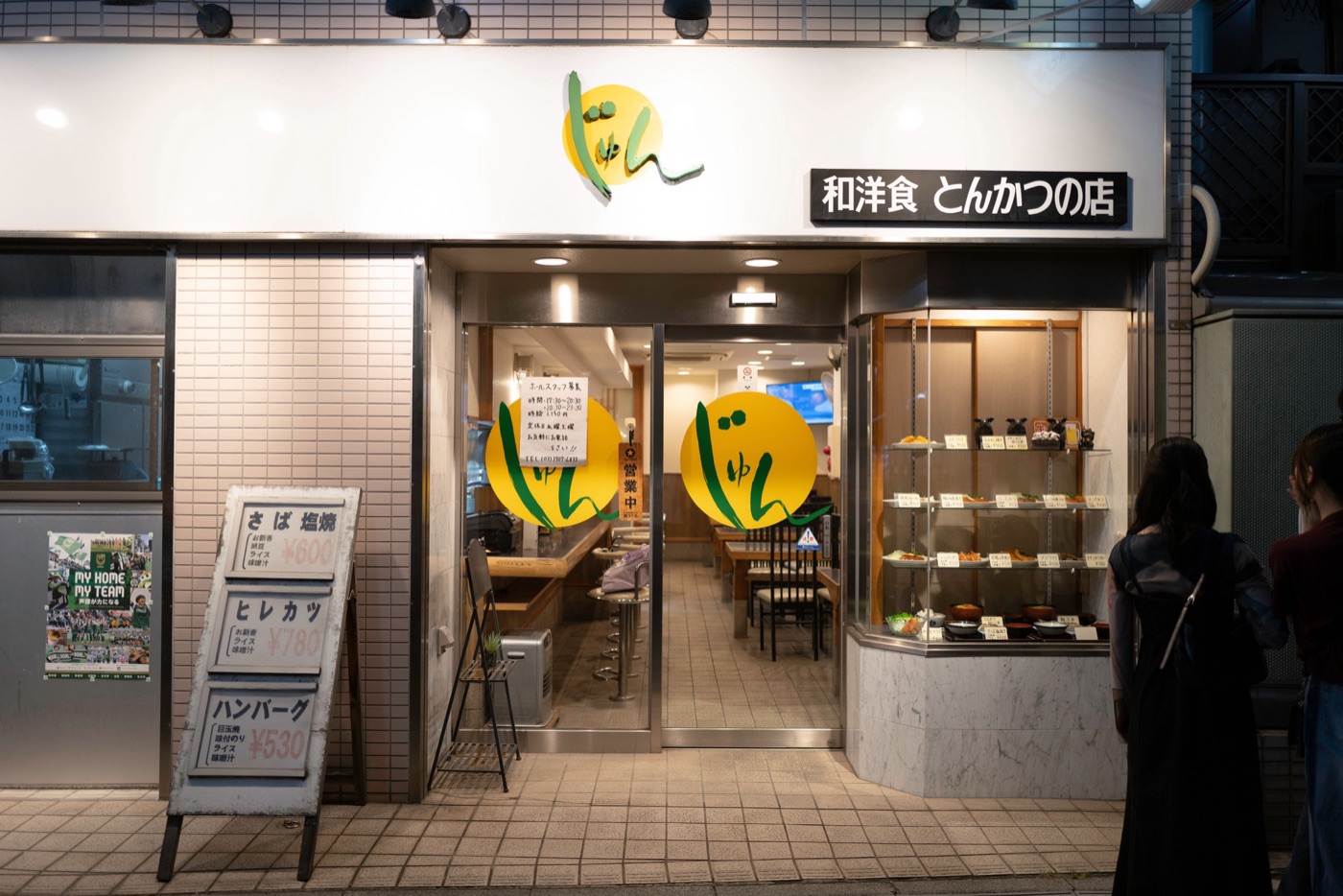
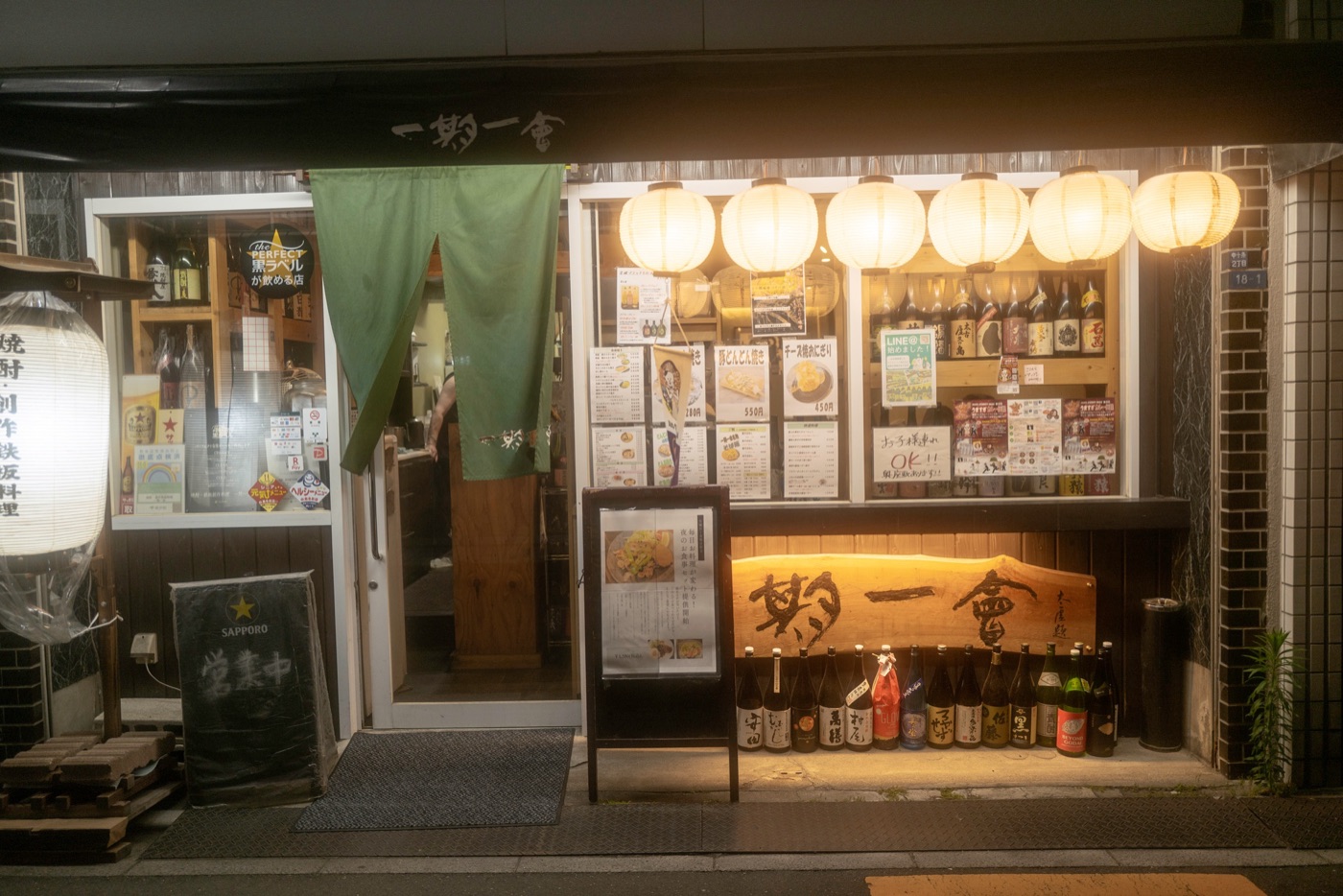
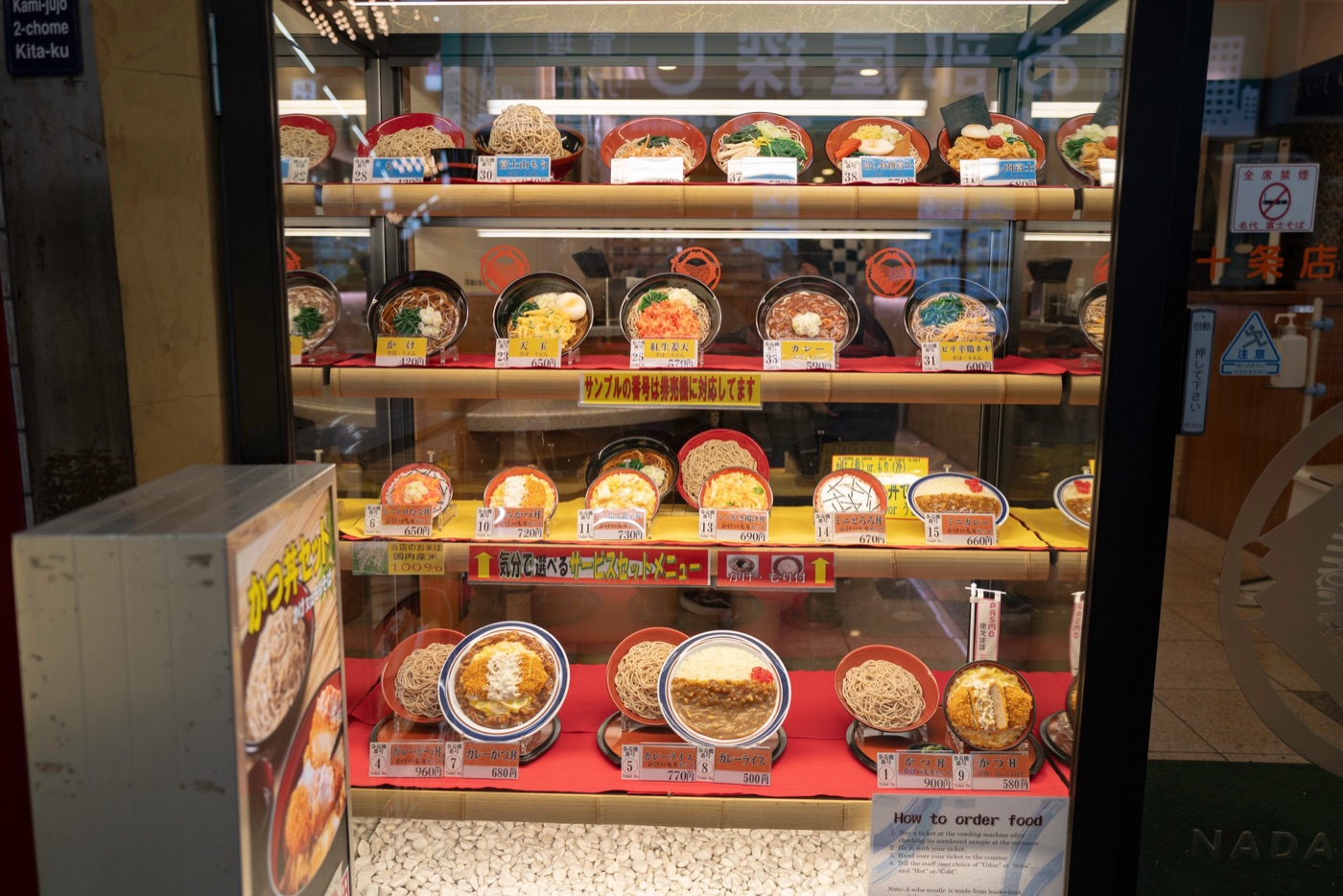
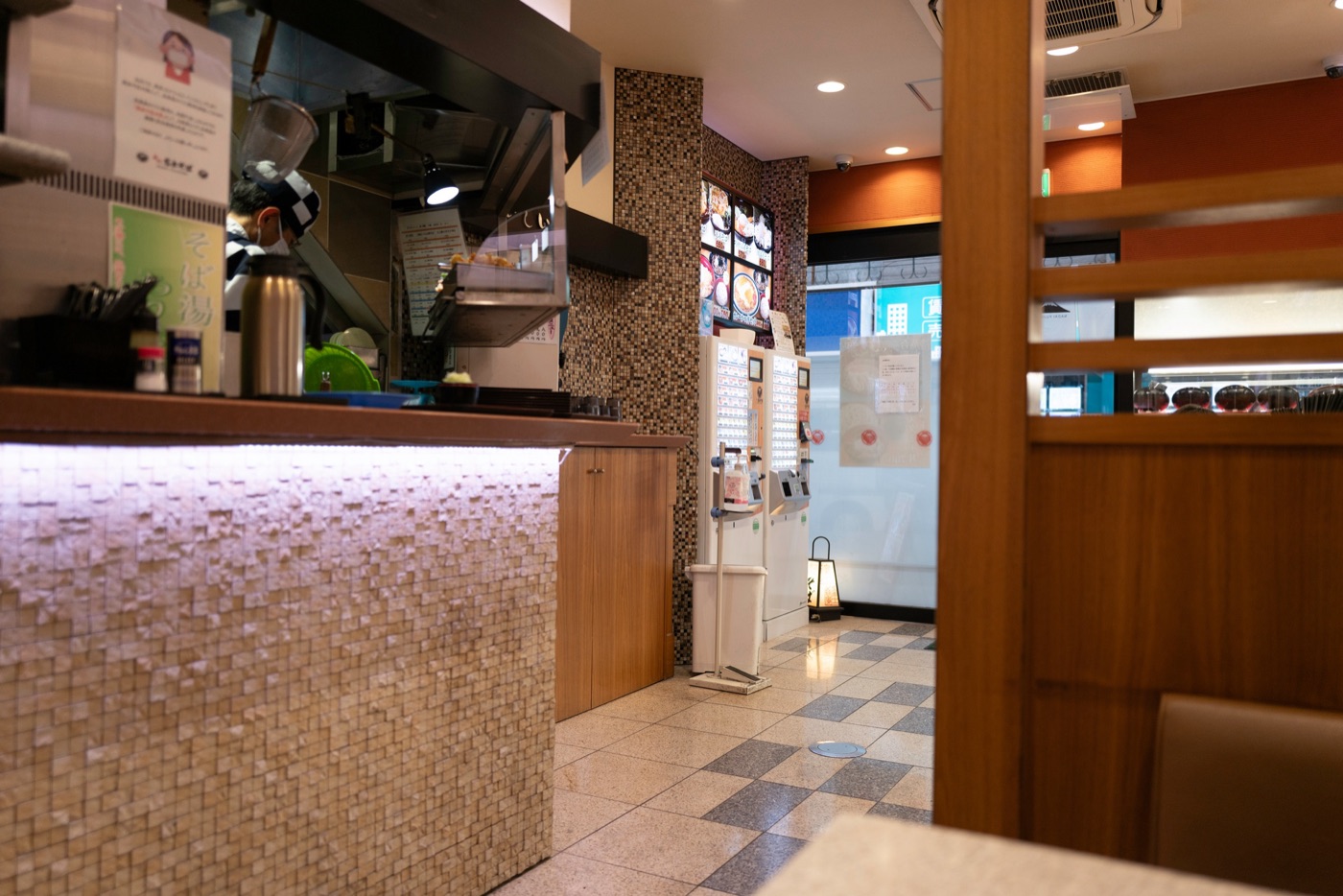
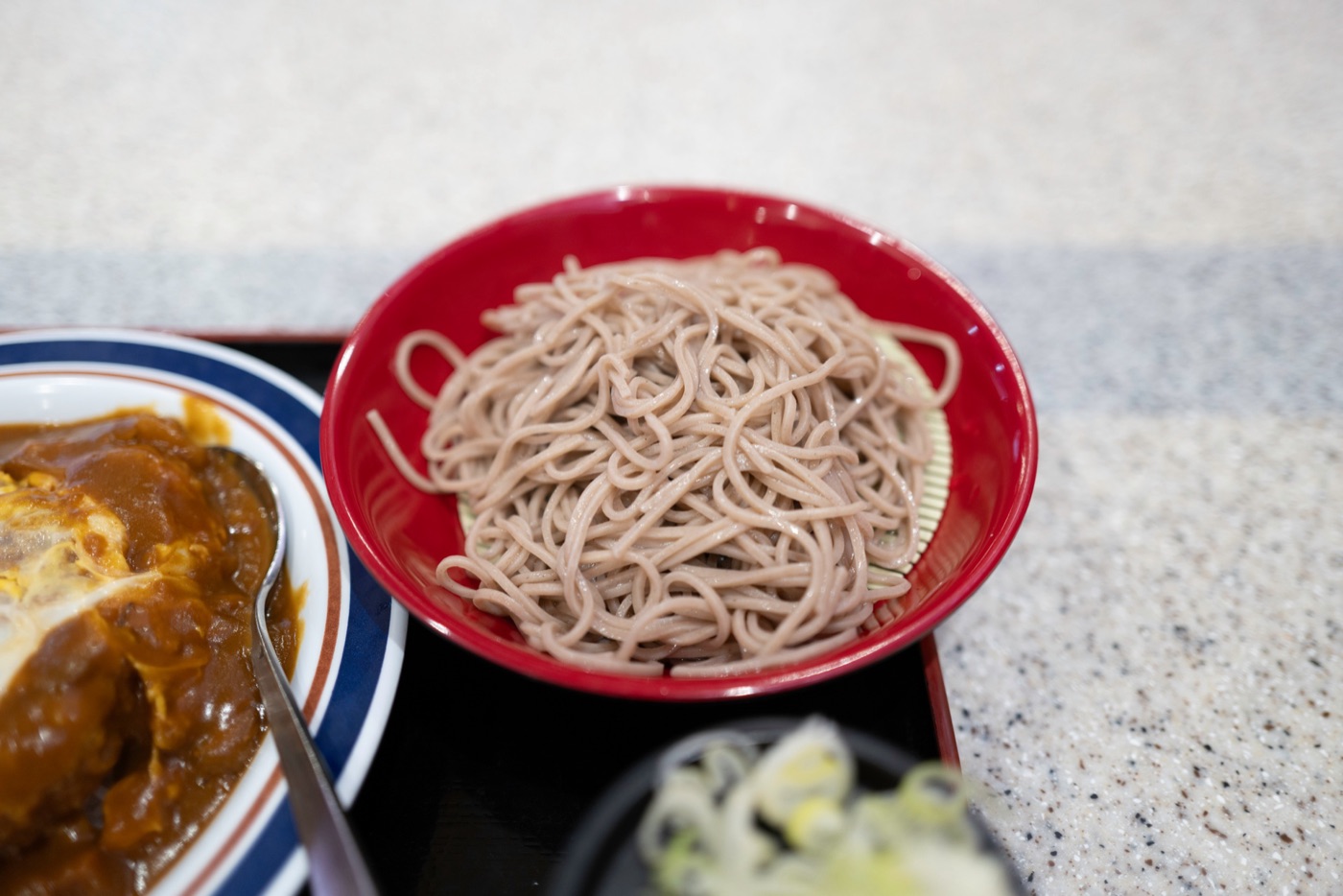
Jujo is home to a branch of Fuji Soba, the ubiquitous standing noodle chain that embodies a particular side of Japanese food culture. For a few hundred yen, you get a bowl of hot soba or udon, served within minutes, eaten standing at a counter — the kind of meal that millions of Japanese workers rely on daily. The dining scene extends well beyond chain noodle shops, though. The streets around the shotengai are dotted with small izakaya, family-run ramen shops, and teishoku restaurants serving set meals for well under 1,000 yen. There are also bakeries offering curry pan, melon pan, and anpan at prices that feel unchanged in a decade. For visitors used to tourist-area pricing, eating in Jujo is a revelation.
Life in Kita Ward
Kita Ward is one of Tokyo’s 23 special wards, occupying the northern edge of the city along the Arakawa River. It is a residential area with a strong community feel, home to parks, temples, and stretches of riverbank popular for jogging and cycling. Asukayama Park, a short train ride from Jujo, is one of Tokyo’s oldest public parks and a popular cherry blossom spot. The ward also contains Oji, known for its historic shrine and the Oji Fox Parade on New Year’s Eve. Kita Ward offers a grounded, authentic version of Tokyo that many visitors never encounter.
Getting to Jujo
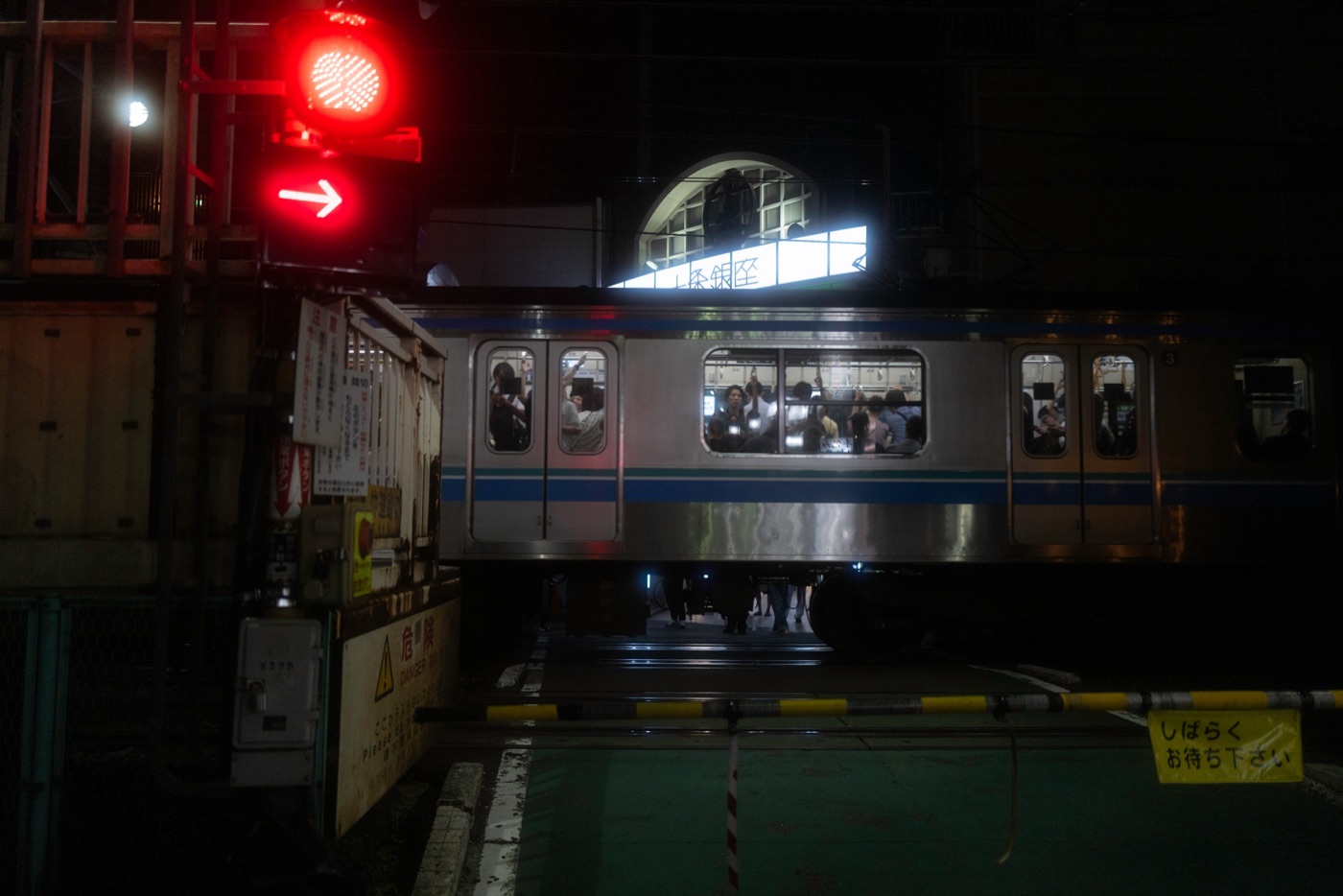
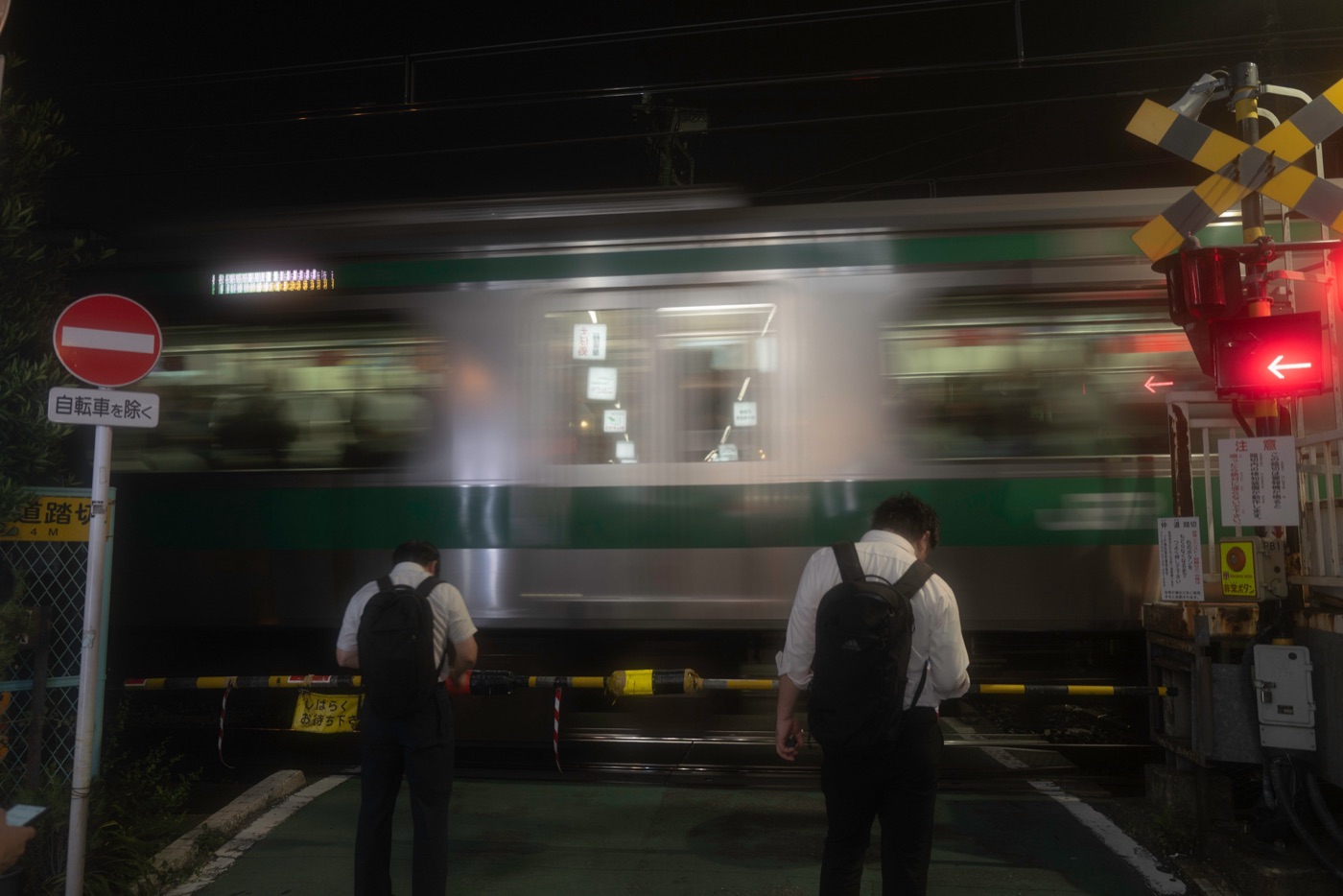
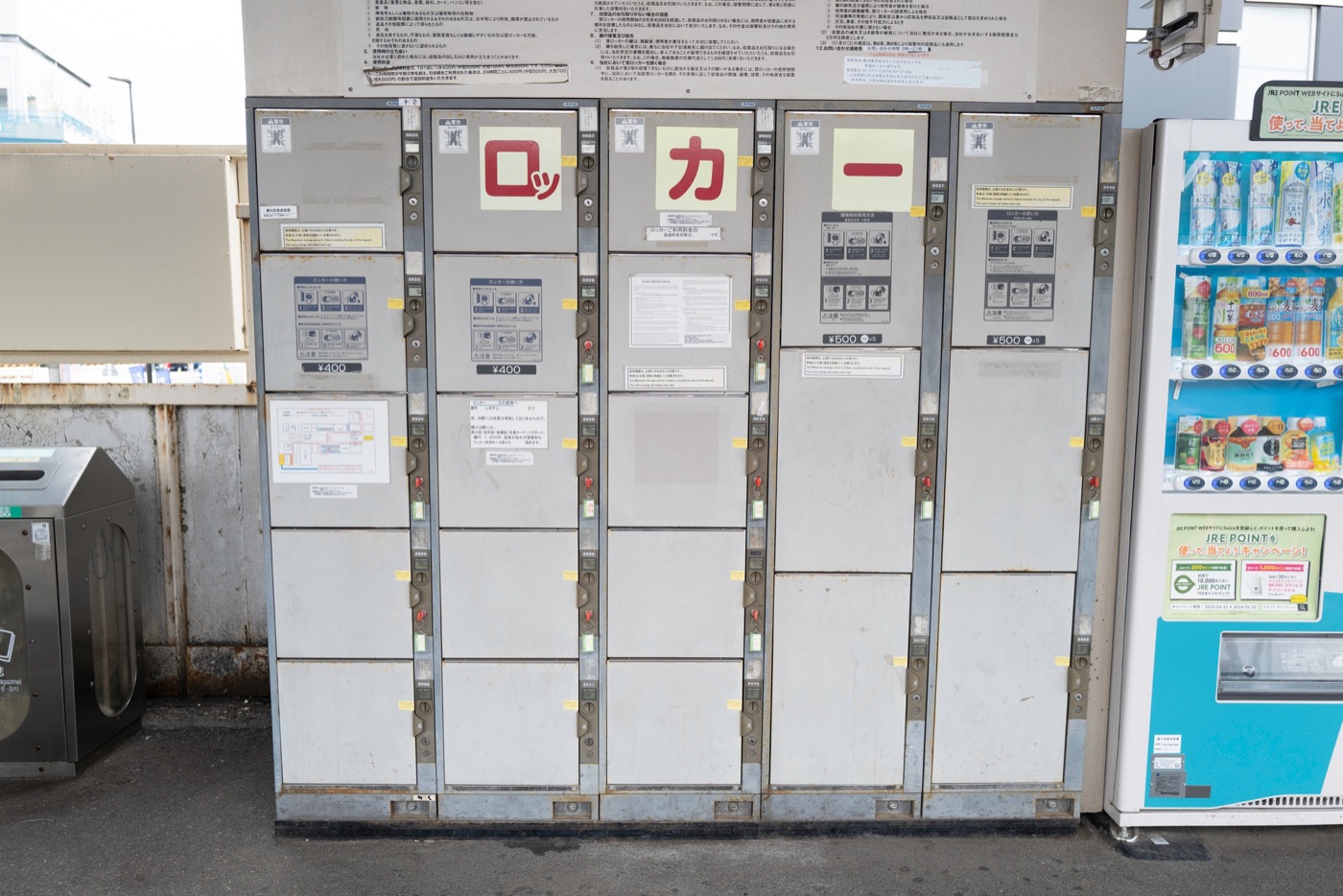
Reaching Jujo is straightforward. The neighborhood is served by Jujo Station on the JR Saikyo Line, which connects directly to Shinjuku, Shibuya, and Ikebukuro without transfers. The journey from Shinjuku takes about 15 minutes, making it easy to visit on a whim. For a full experience, plan to spend a couple of hours walking the shotengai, eating at a local spot, and simply observing the rhythms of a Tokyo neighborhood that has not been reshaped by tourism. There is no single landmark or must-see attraction here — the entire neighborhood is the experience, and that is exactly the point.