Summer Fireworks Tradition
Hanabi — literally “fire flowers” — are inseparable from the Japanese summer. From late July through August, fireworks festivals illuminate rivers, coastlines, and urban skylines across the country. These are not casual displays. Japanese hanabi are choreographed performances, with pyrotechnicians competing to create the most elaborate shells, the most precise timing, and the most emotionally resonant sequences. The tradition stretches back to the Edo period, when fireworks were believed to console the spirits of the dead and ward off disease. Today, hanabi season is a highlight of the Japanese calendar, anticipated with the same intensity as cherry blossom season in spring. Among Tokyo’s many summer fireworks events, the Itabashi Fireworks Festival ranks as one of the largest and most spectacular.
The Itabashi Festival Along the Arakawa River
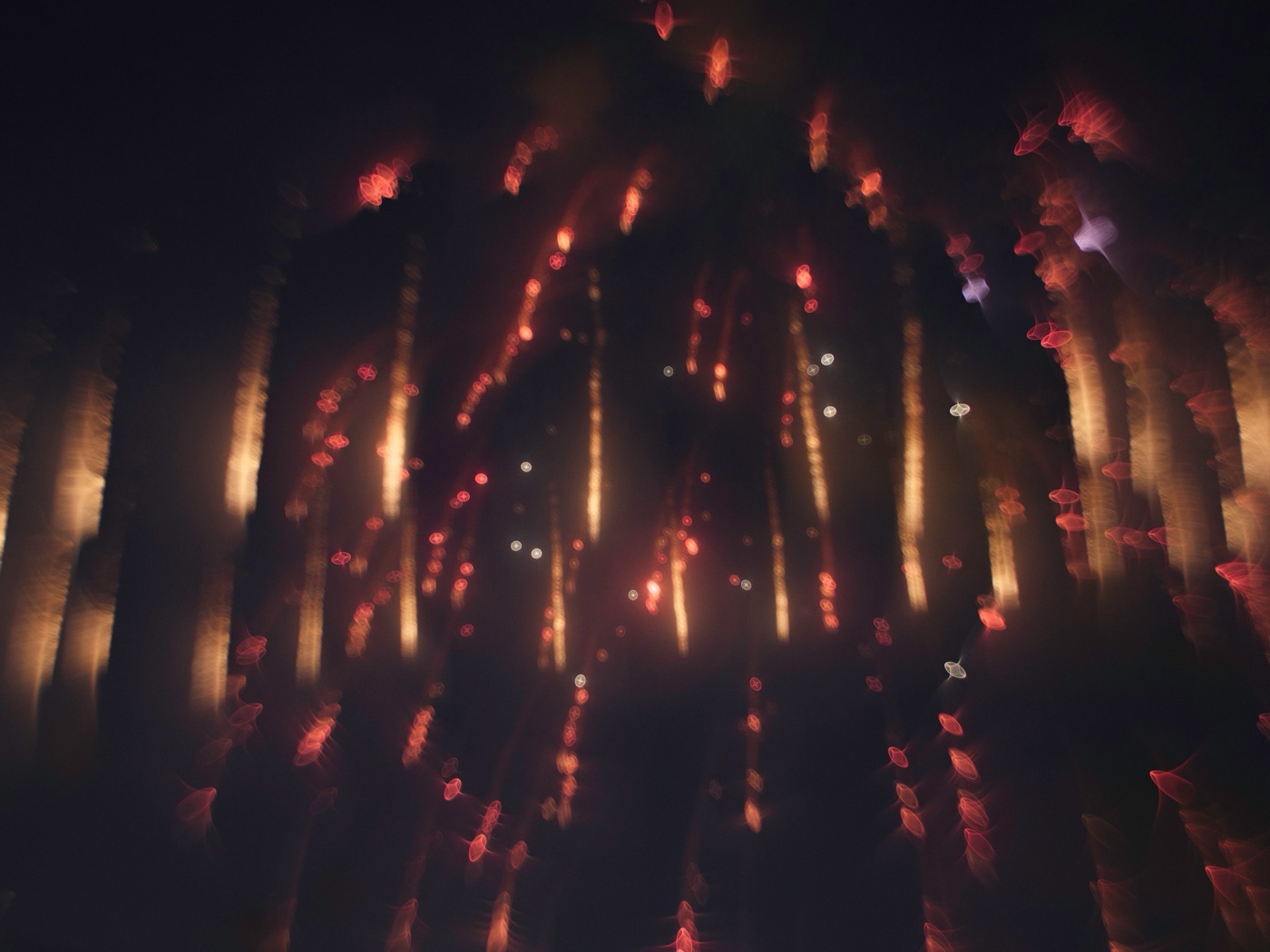
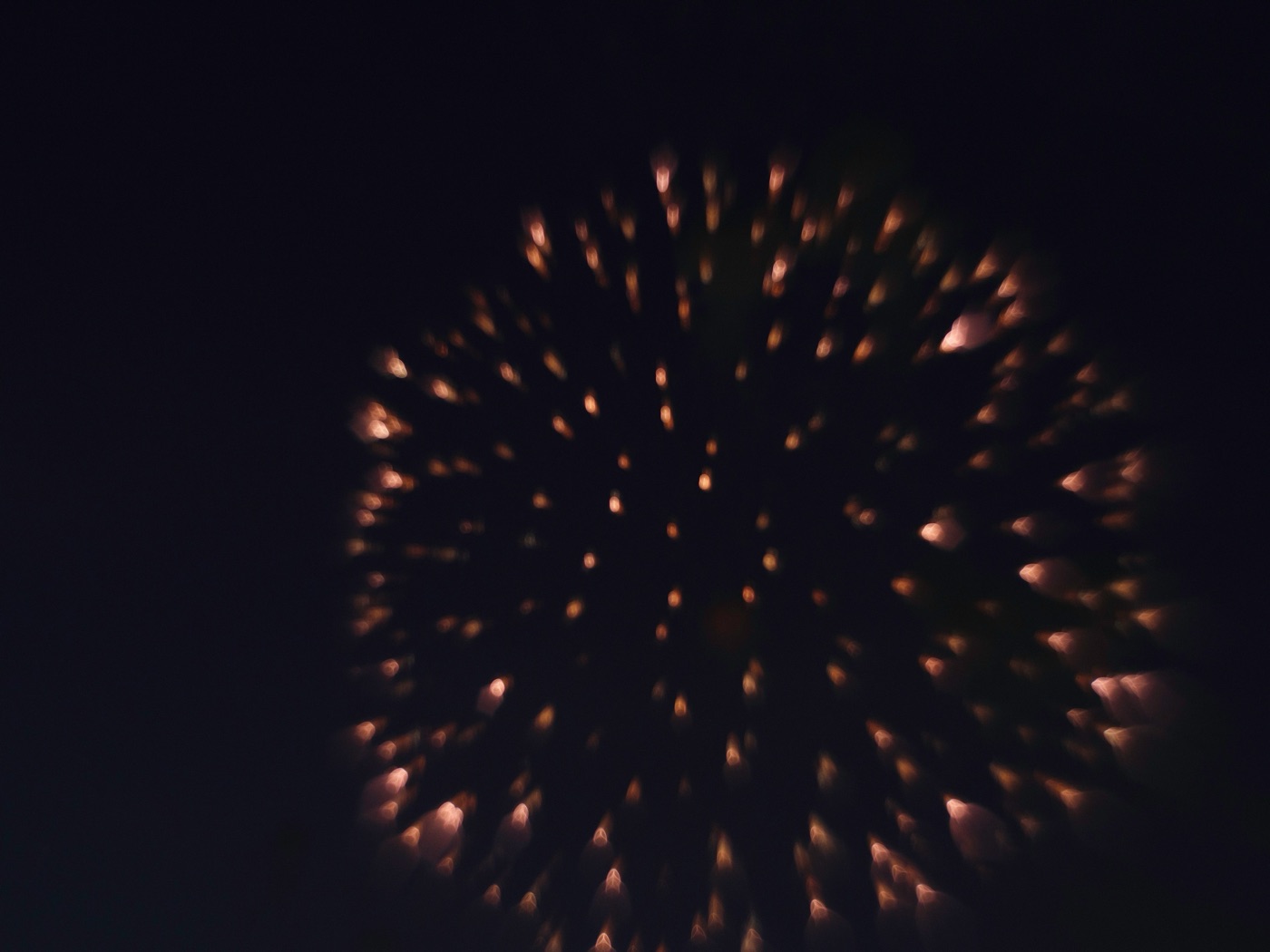
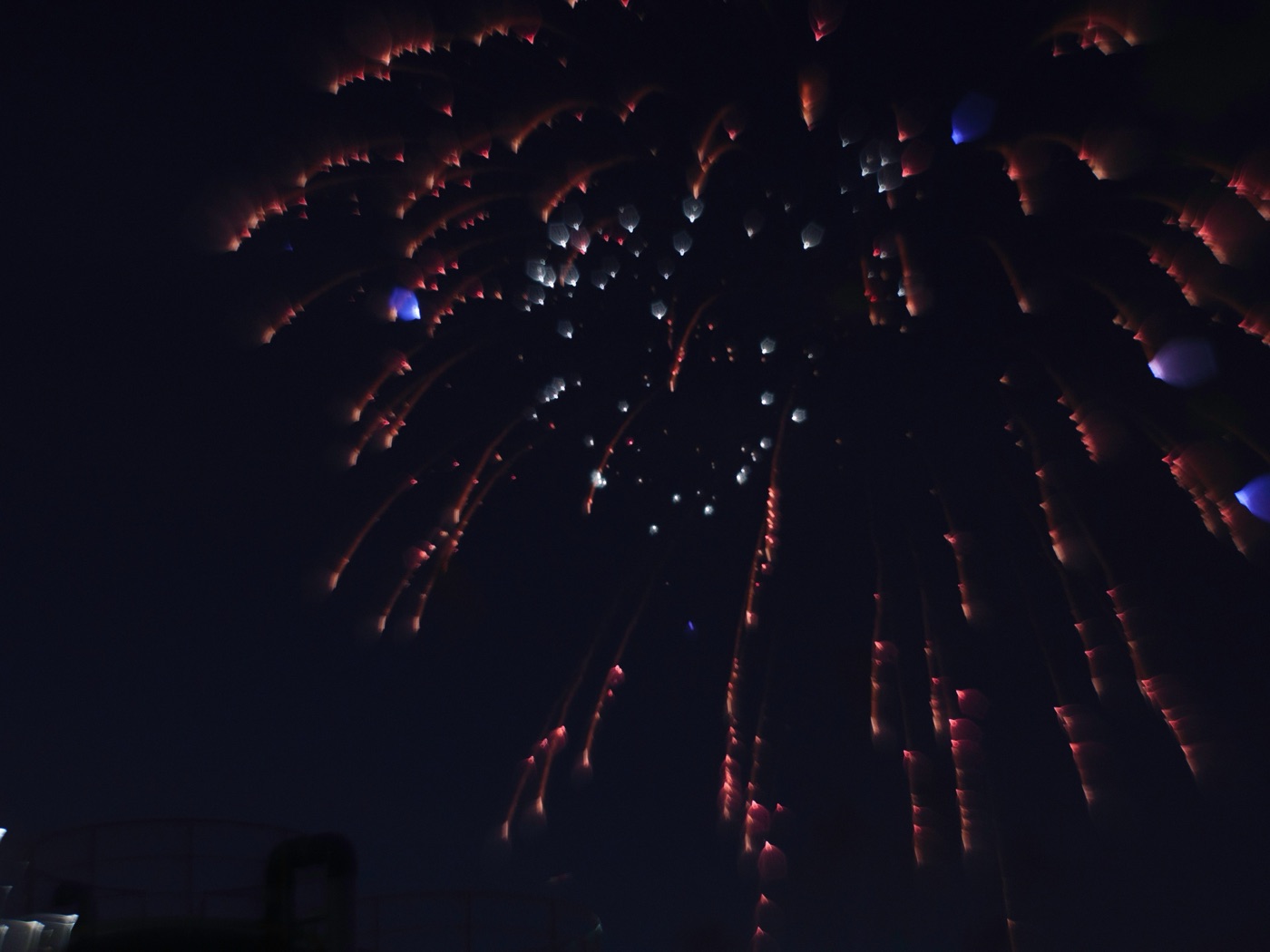
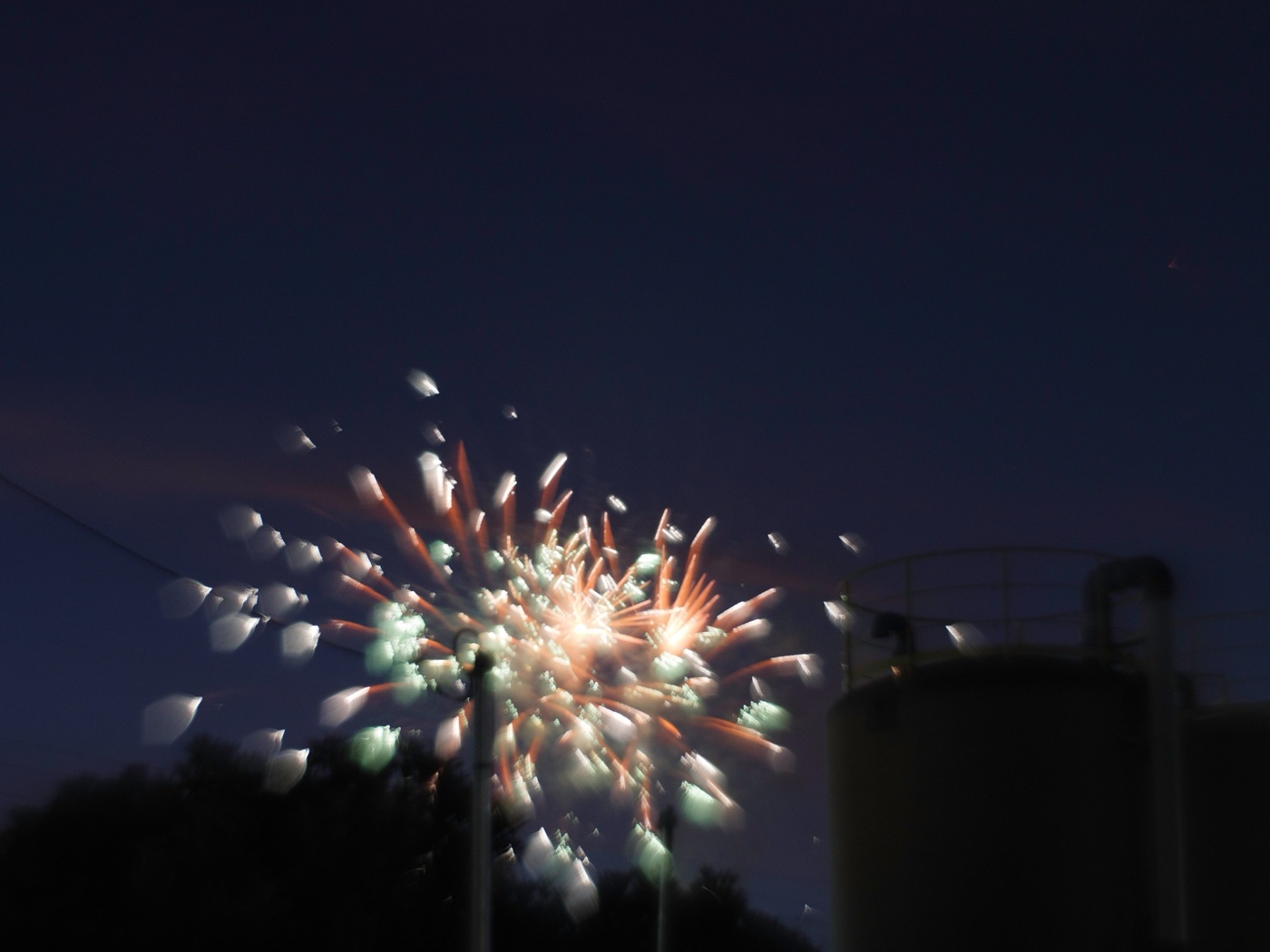
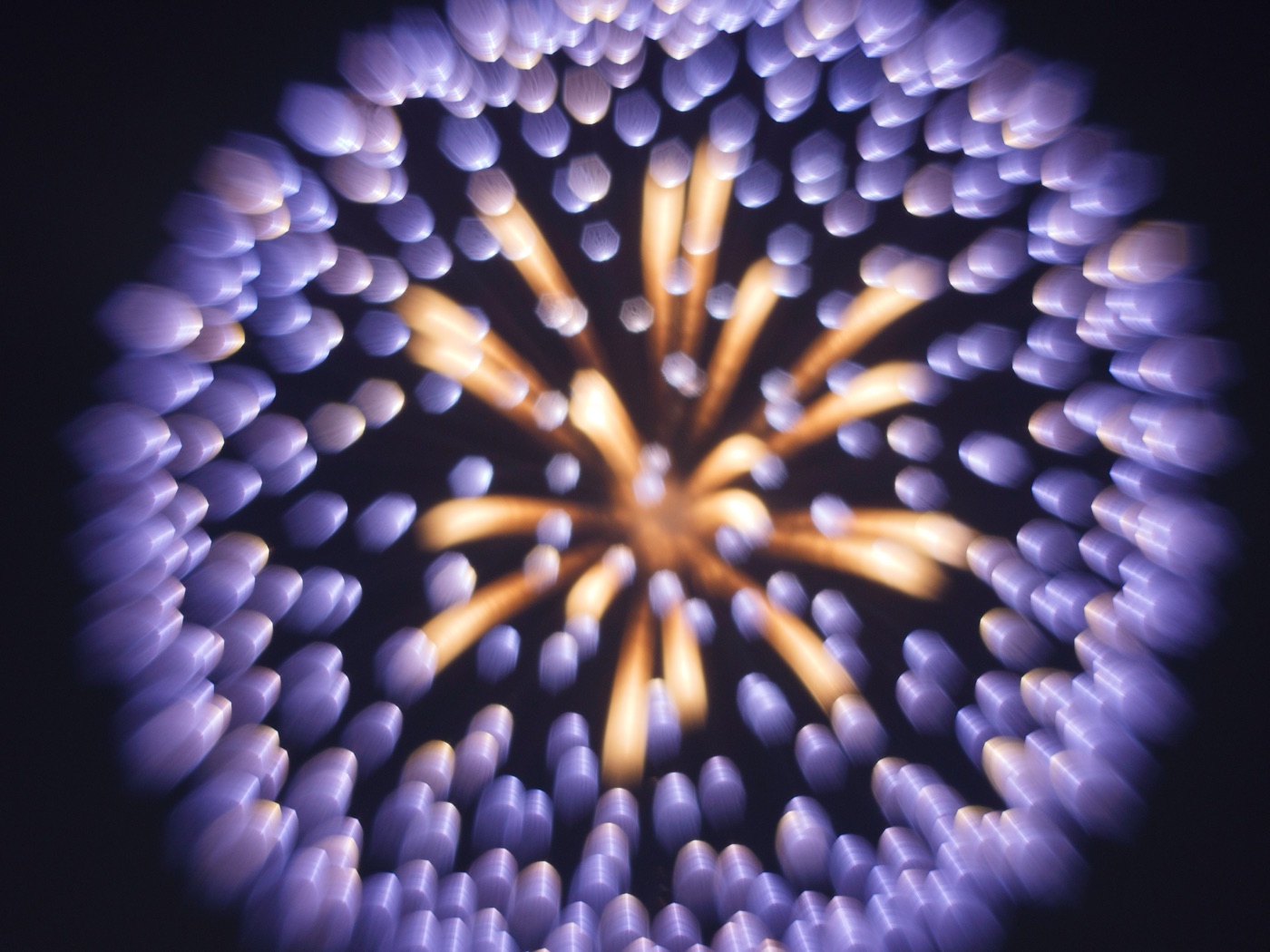
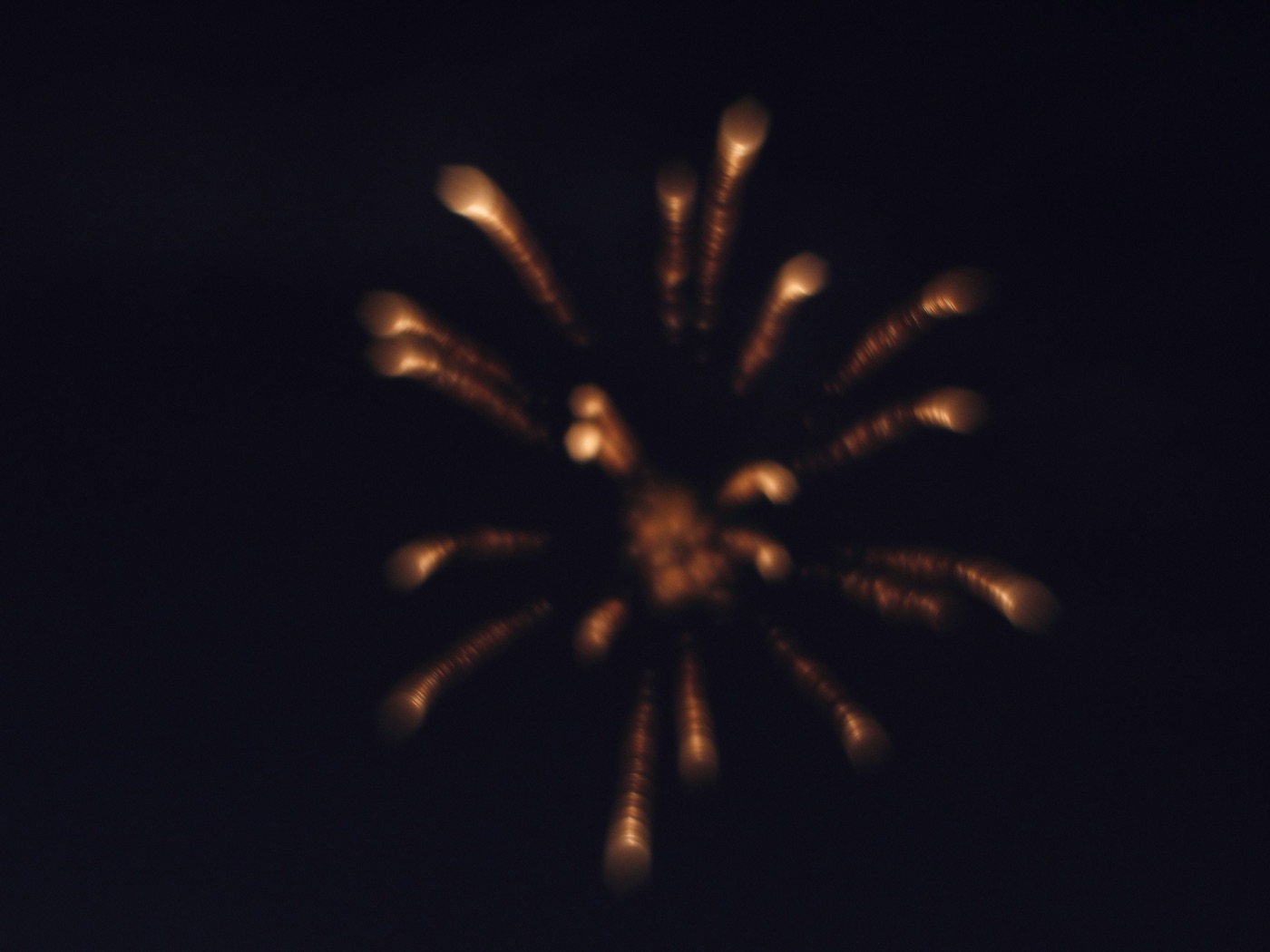
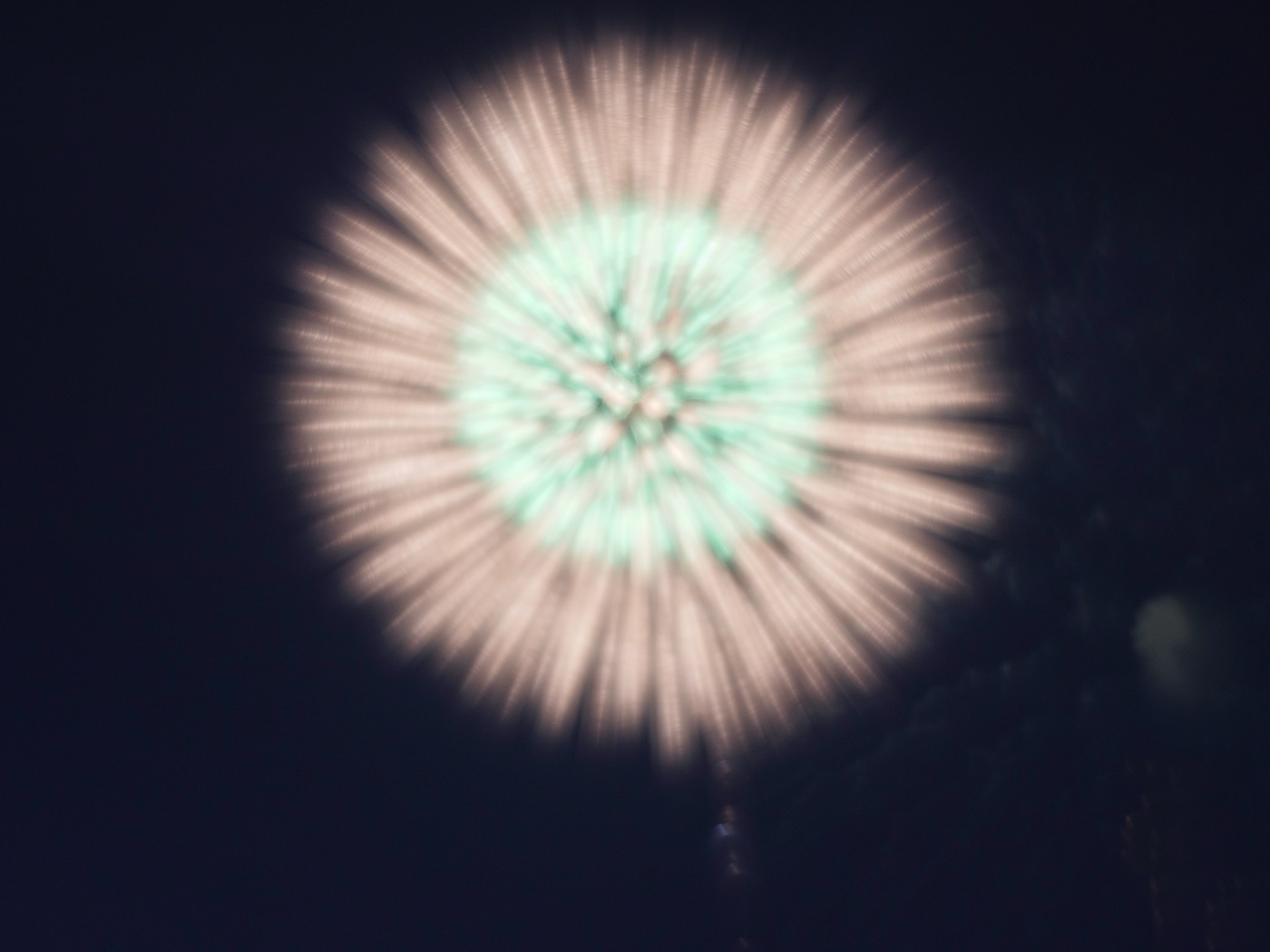
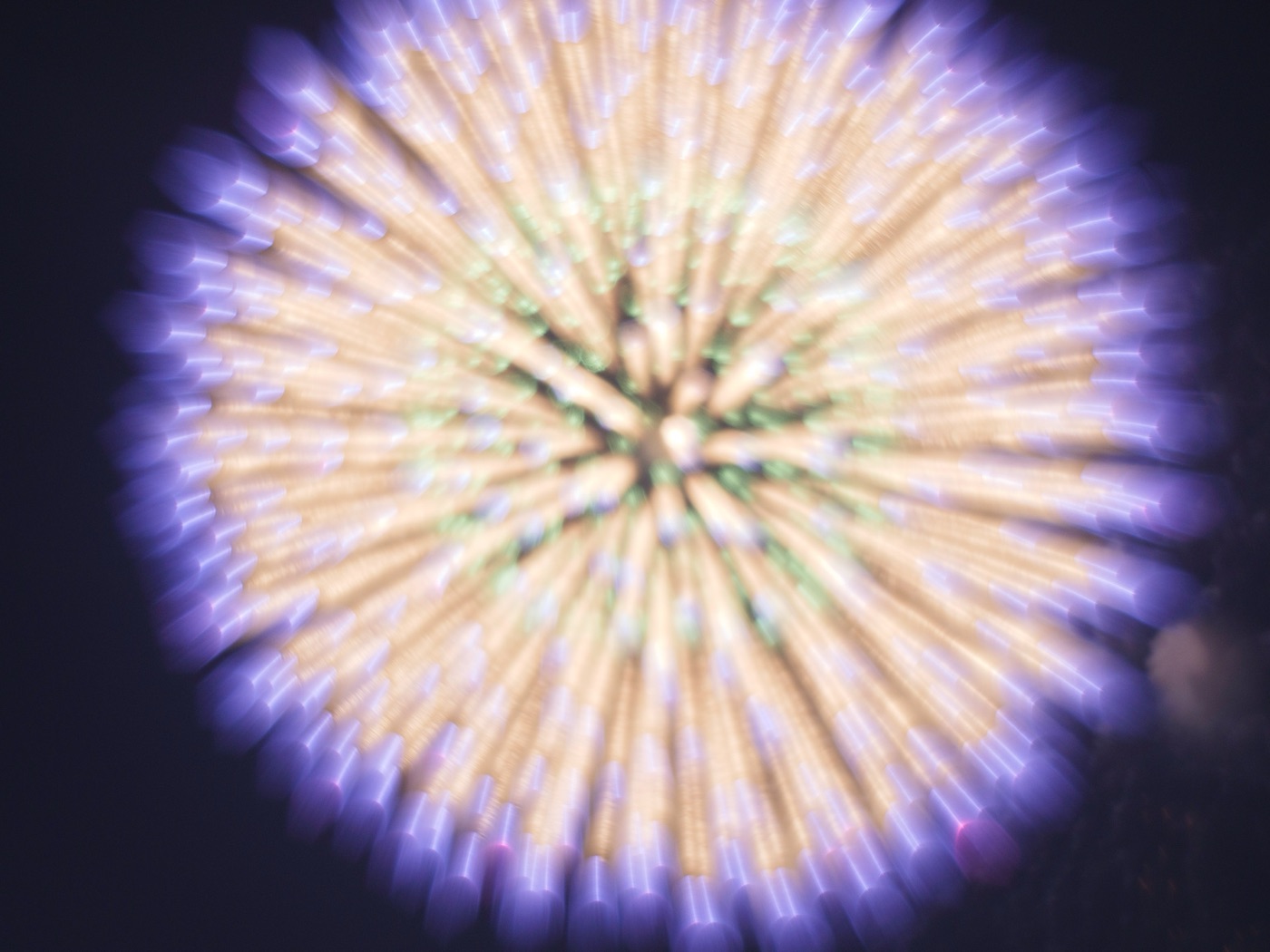
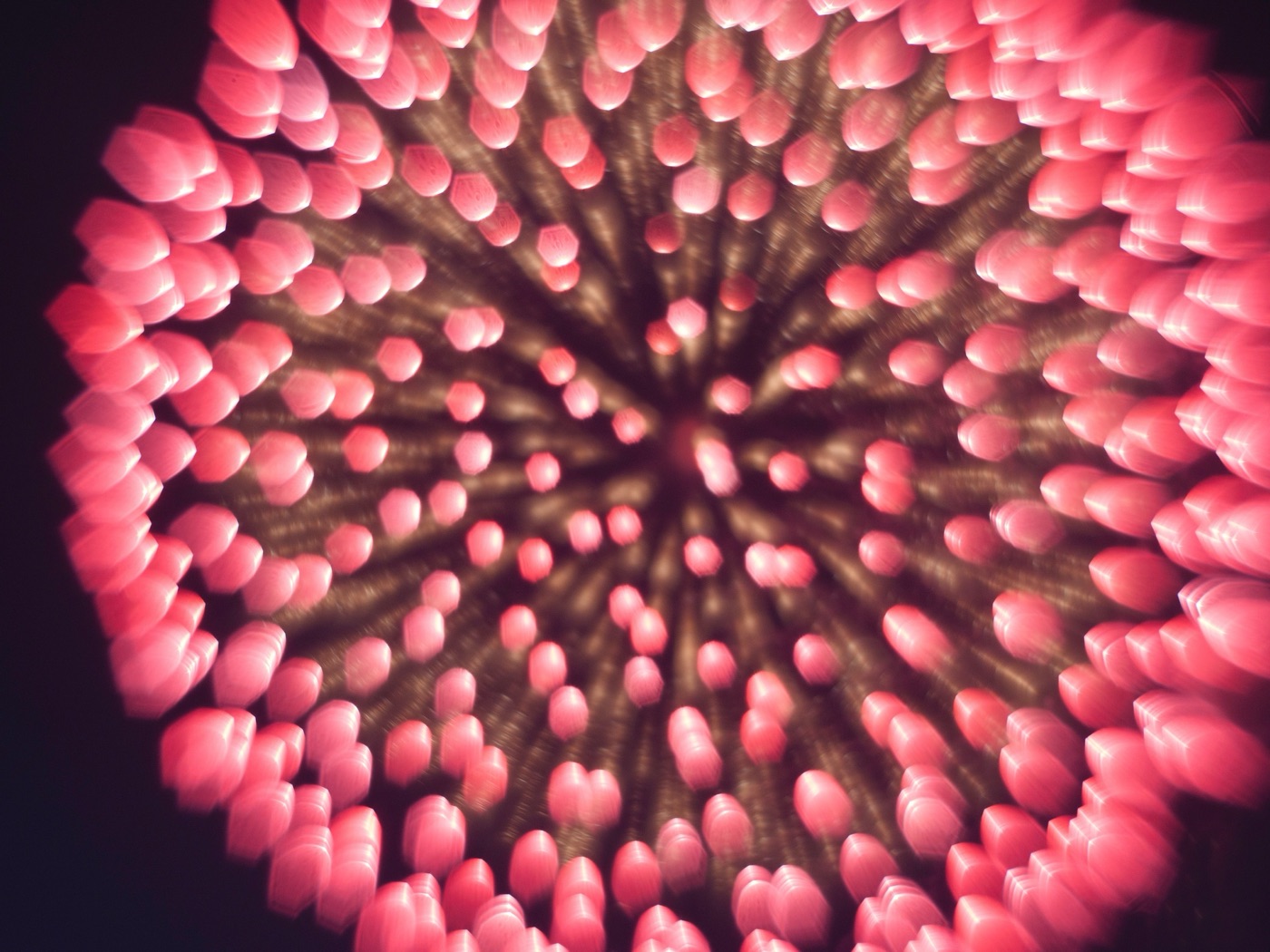
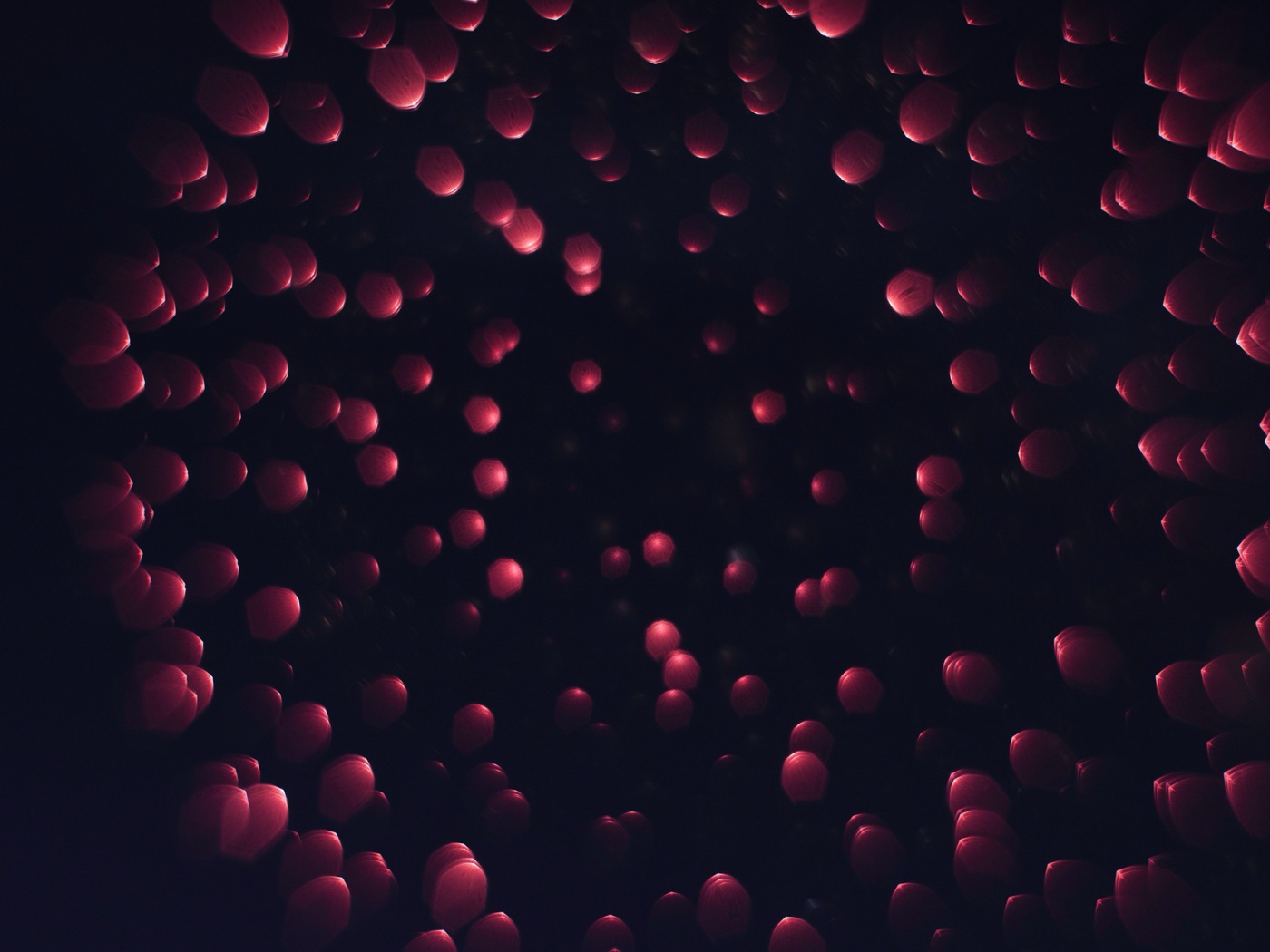
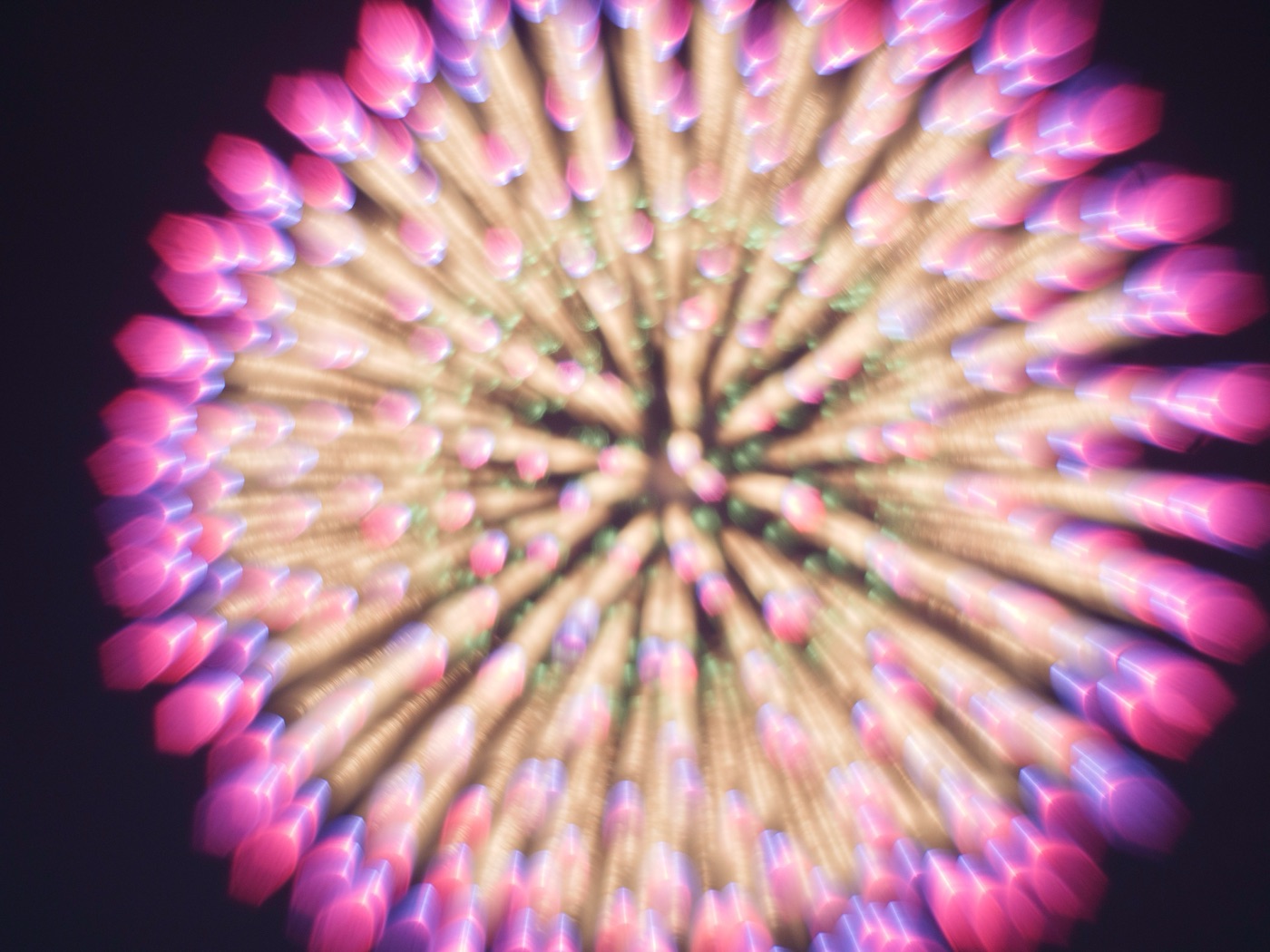
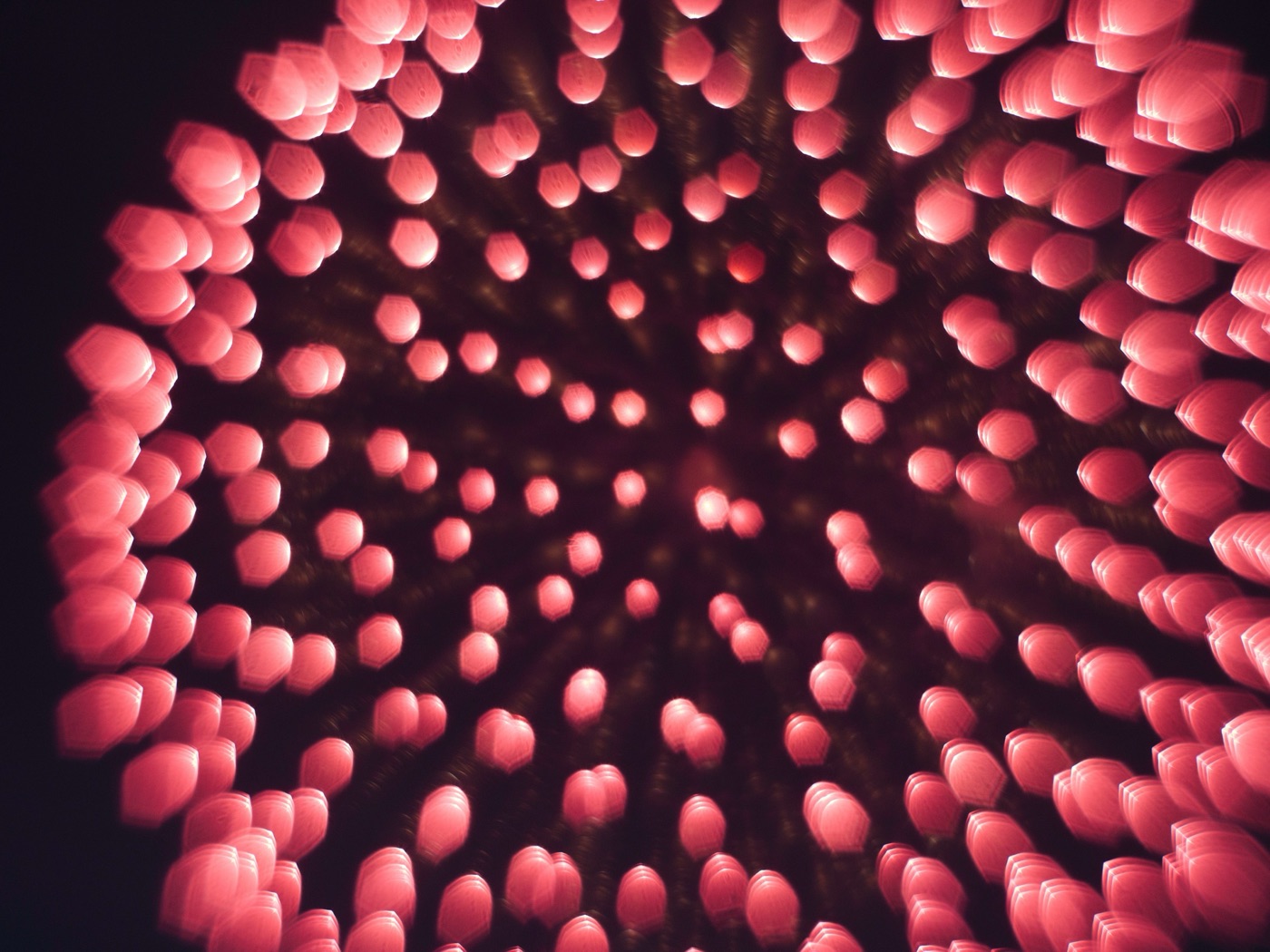
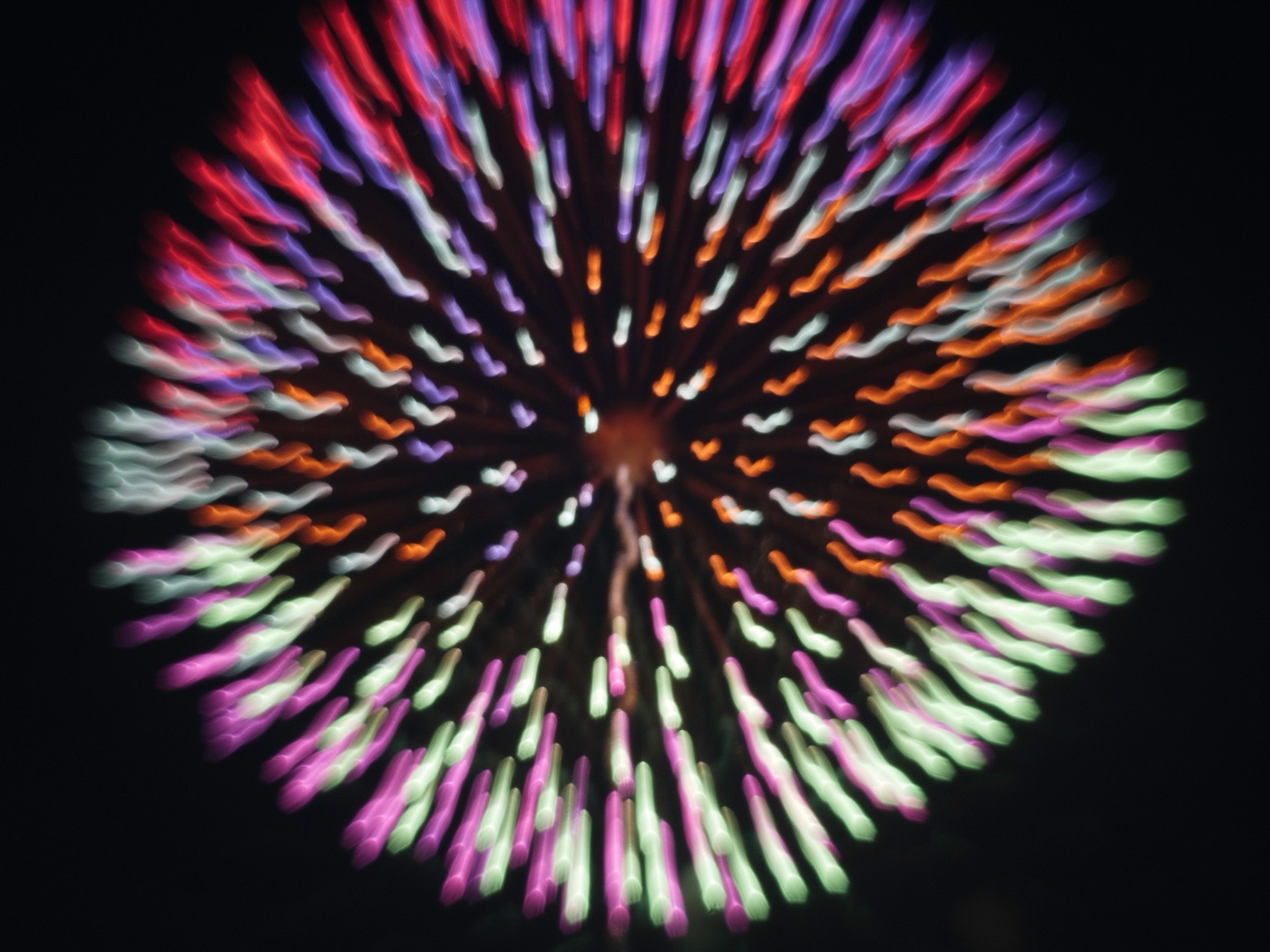
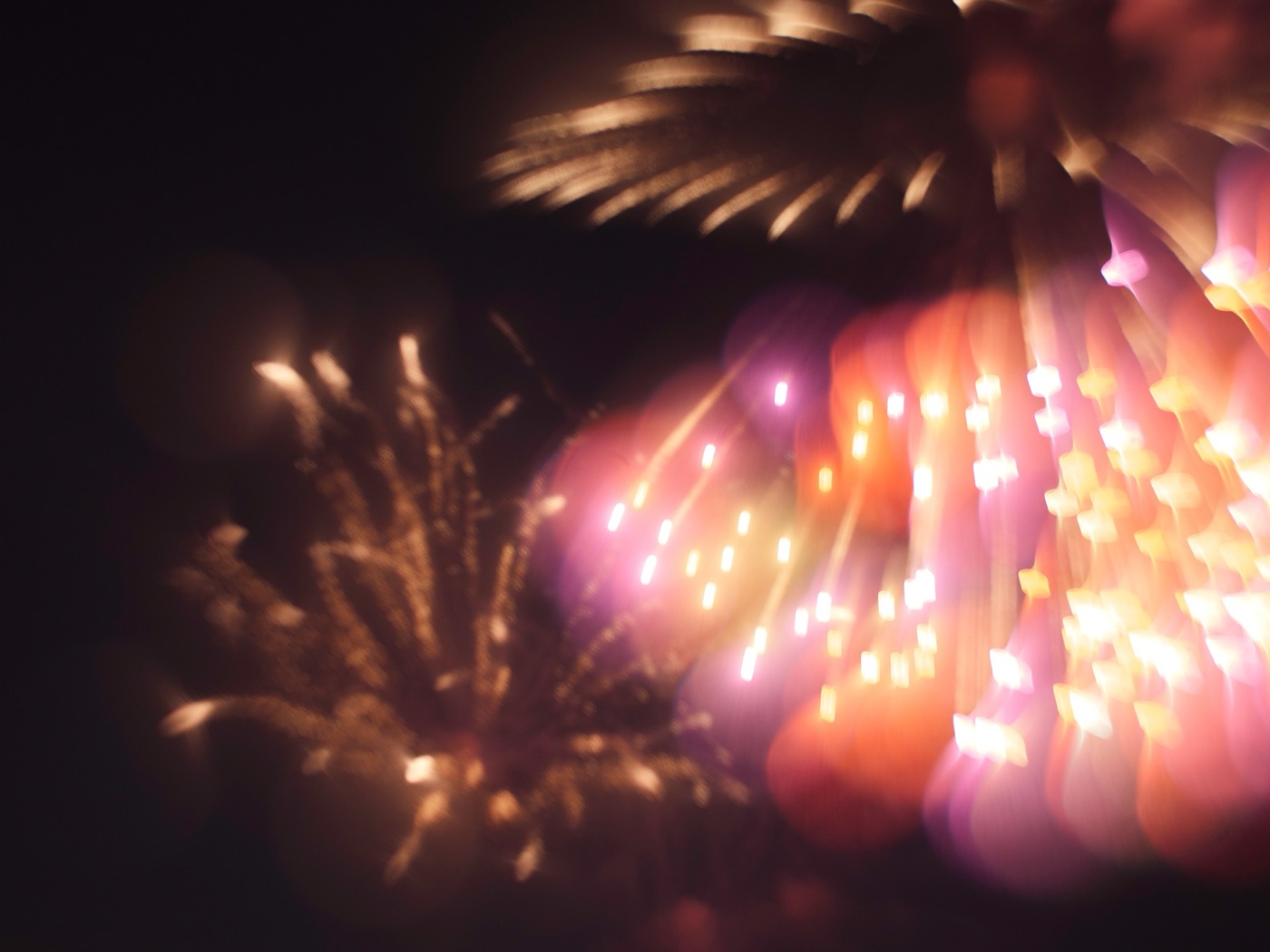
The Itabashi hanabi takes place along the banks of the Arakawa River in northern Tokyo, typically on a Saturday evening in mid-August. Approximately 12,000 shells are launched over the course of ninety minutes, including enormous starmine rapid-fire sequences and the festival’s signature niagara — a curtain of fire that cascades across the width of the river. The scale is staggering. Viewed from the riverbank, the largest shells fill the entire sky overhead, their booms arriving a beat after the visual explosion. What makes Japanese fireworks distinctive is their precision: each shell is designed to produce a specific shape, color pattern, or effect, and the sequences are set to music broadcast over speakers along the viewing areas.
Best Viewing Spots
Securing a good viewing position requires planning and patience. The main viewing area stretches along the Itabashi side of the Arakawa River, accessible from Takashimadaira or Nishi-Takashima-Daira stations on the Mita Line. Free viewing areas on the grassy riverbanks fill quickly — dedicated spectators arrive in the early afternoon to claim their spots, spreading blue tarps and setting up folding chairs hours before the first shell is launched. Paid reserved seating is available and worth considering for those who prefer a guaranteed spot without the long wait. The opposite bank of the river, on the Toda side in Saitama Prefecture, hosts its own simultaneous fireworks display, the Todabashi Fireworks Festival, creating a dual spectacle visible from both sides. Some experienced viewers position themselves where they can see both shows at once.
Yukata and Festival Food
Hanabi festivals are as much about the social experience as the fireworks themselves. Many attendees wear yukata, the lightweight cotton kimono that serves as summer festival attire. Rental shops near major stations do brisk business on hanabi days, and seeing hundreds of people in traditional dress walking toward the river is itself a memorable sight. Yatai (food stalls) line the approach routes, selling festival staples: yakitori, takoyaki, kakigori (shaved ice), grilled corn, and ramune soda in its distinctive marble-sealed bottles. Eating festival food while waiting for the show to begin is part of the ritual, and the combination of warm evening air, casual dress, and street food creates an atmosphere of collective relaxation that contrasts with Tokyo’s usual intensity.
Arriving Early and Getting Home
The single most important practical tip for any major hanabi festival is to arrive early. Trains heading toward the venue begin filling by mid-afternoon, and the stations closest to the viewing areas implement crowd-control measures that can mean long waits just to exit the platform. A common strategy is to arrive by 3:00 or 4:00 PM, find a spot, and settle in with food and drinks for the wait. The display typically begins around 7:00 PM and ends by 8:30 PM. Leaving is the greater challenge — hundreds of thousands of spectators funneling toward a limited number of train stations means that post-event waits of sixty to ninety minutes are normal. Walking to a station one or two stops further from the venue, or waiting at a nearby restaurant until the initial rush subsides, can significantly reduce the ordeal. Despite the crowds, the Itabashi hanabi is an essential Tokyo summer experience, and the memory of those enormous shells blooming overhead against the warm night sky stays with you long after the last echo fades.