Japan’s Hot Spring Capital
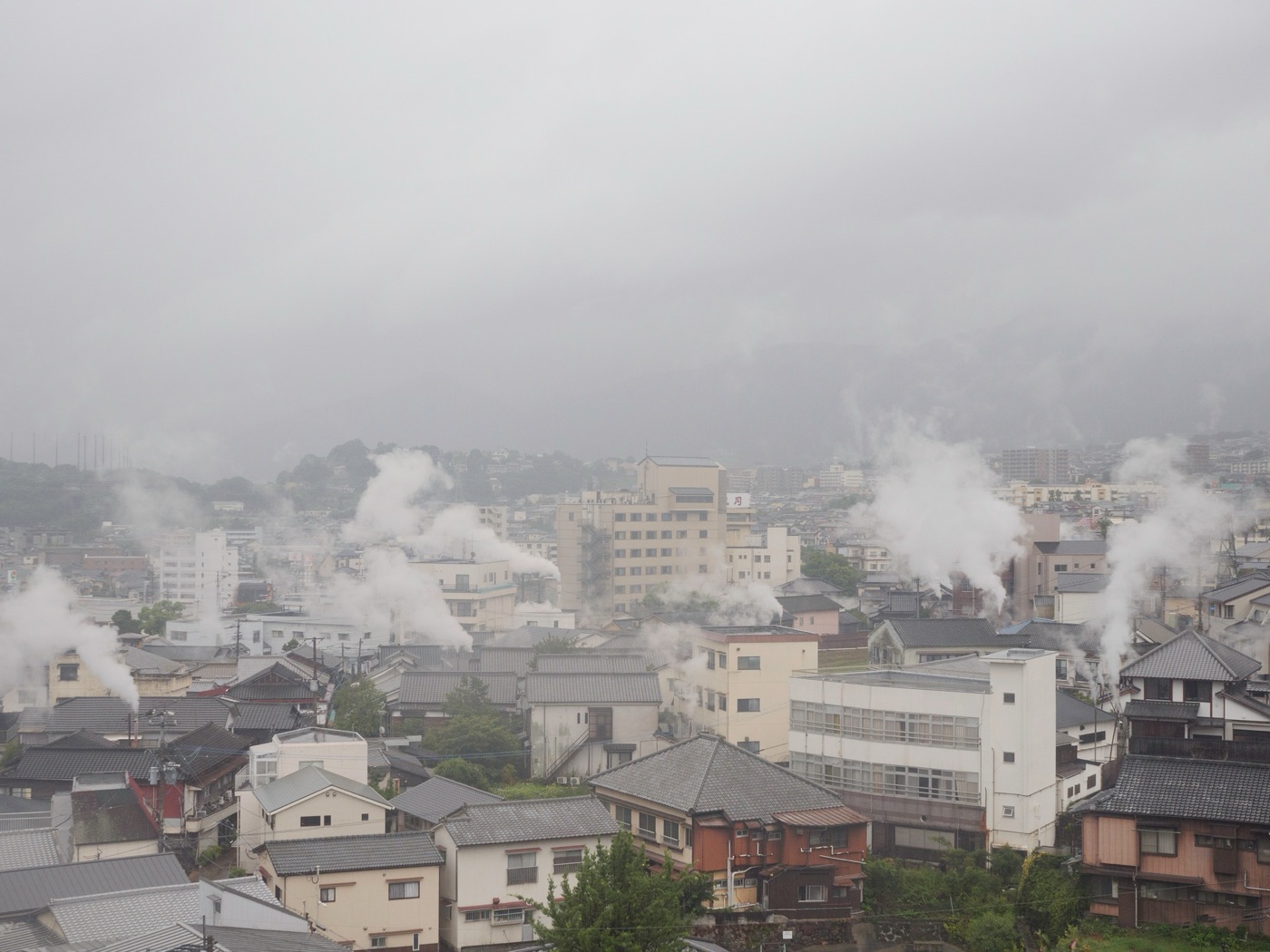
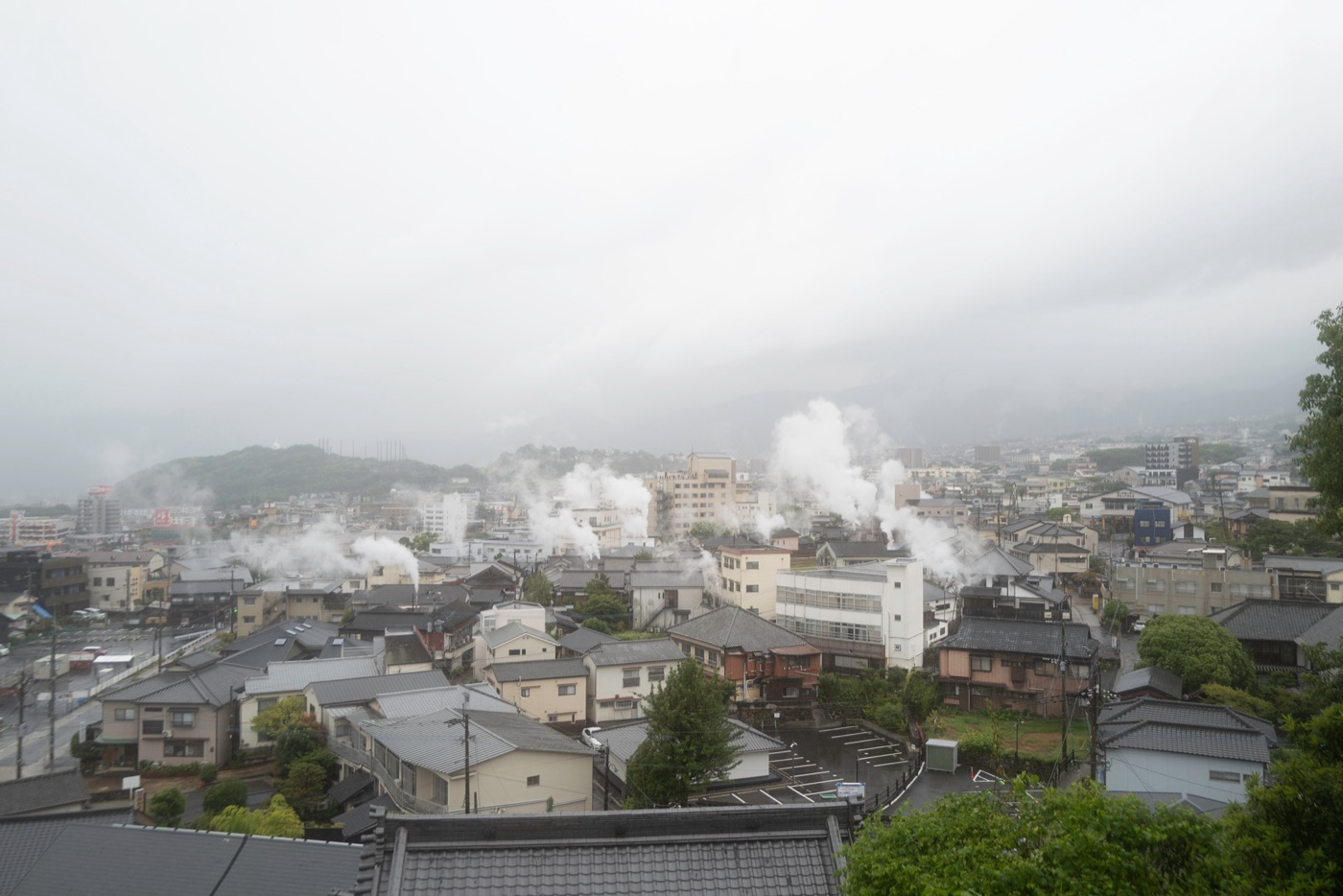
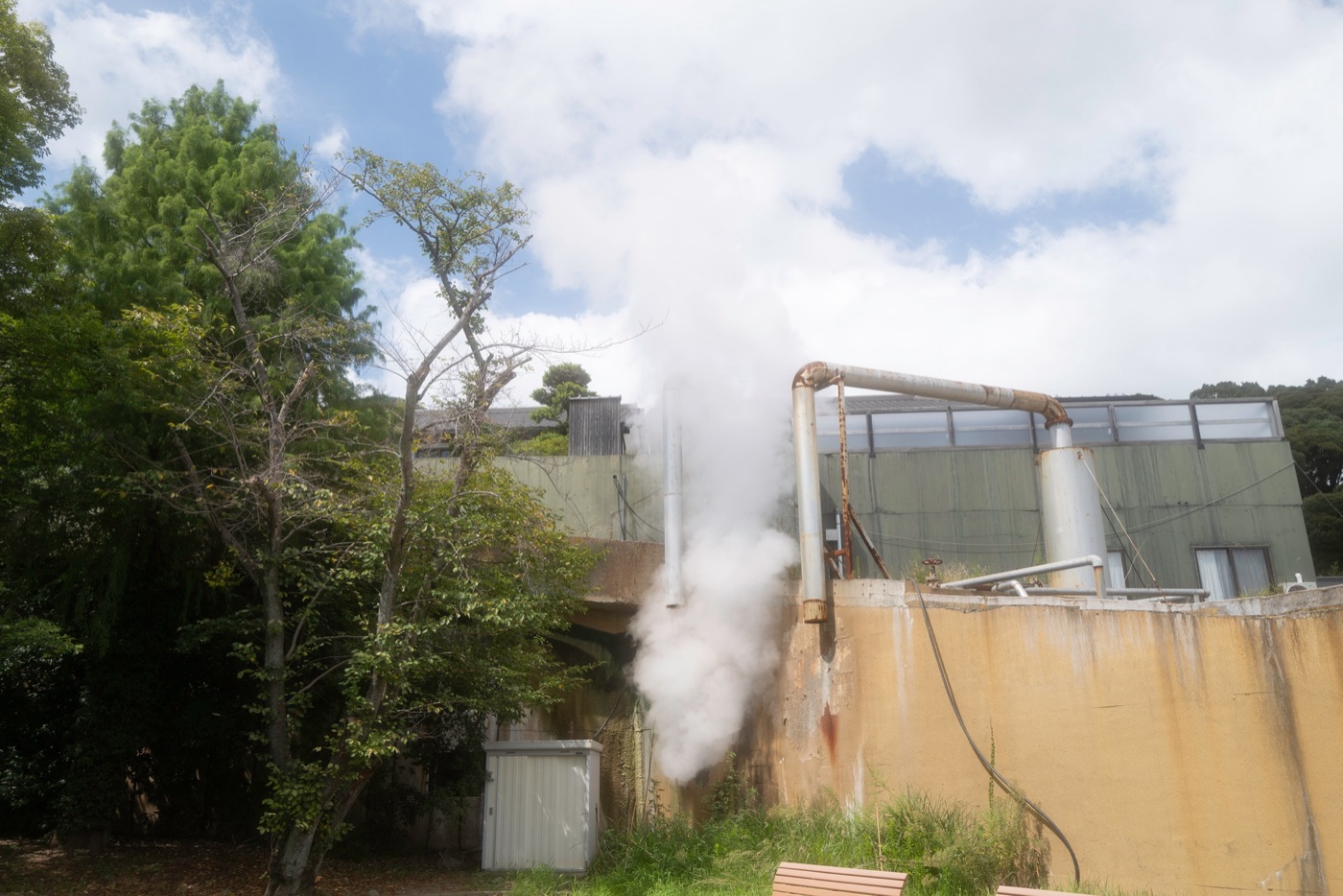
Beppu sits on the eastern coast of Kyushu in Oita Prefecture, and it produces more hot spring water than almost any other city on Earth. Steam rises from vents across the cityscape — from hillsides, parking lots, and residential backyards — giving the whole place an otherworldly atmosphere. The city counts over 2,000 individual hot spring sources and attracts millions of visitors each year. Unlike resort-style onsen towns, Beppu has a working-city character. Hot springs are woven into daily life here: locals use them for bathing, cooking, and even heating. The sheer variety of water types — sulfur, salt, iron, mud, and more — means that no two baths feel quite the same.
Jigoku Meguri: The Hell Tour
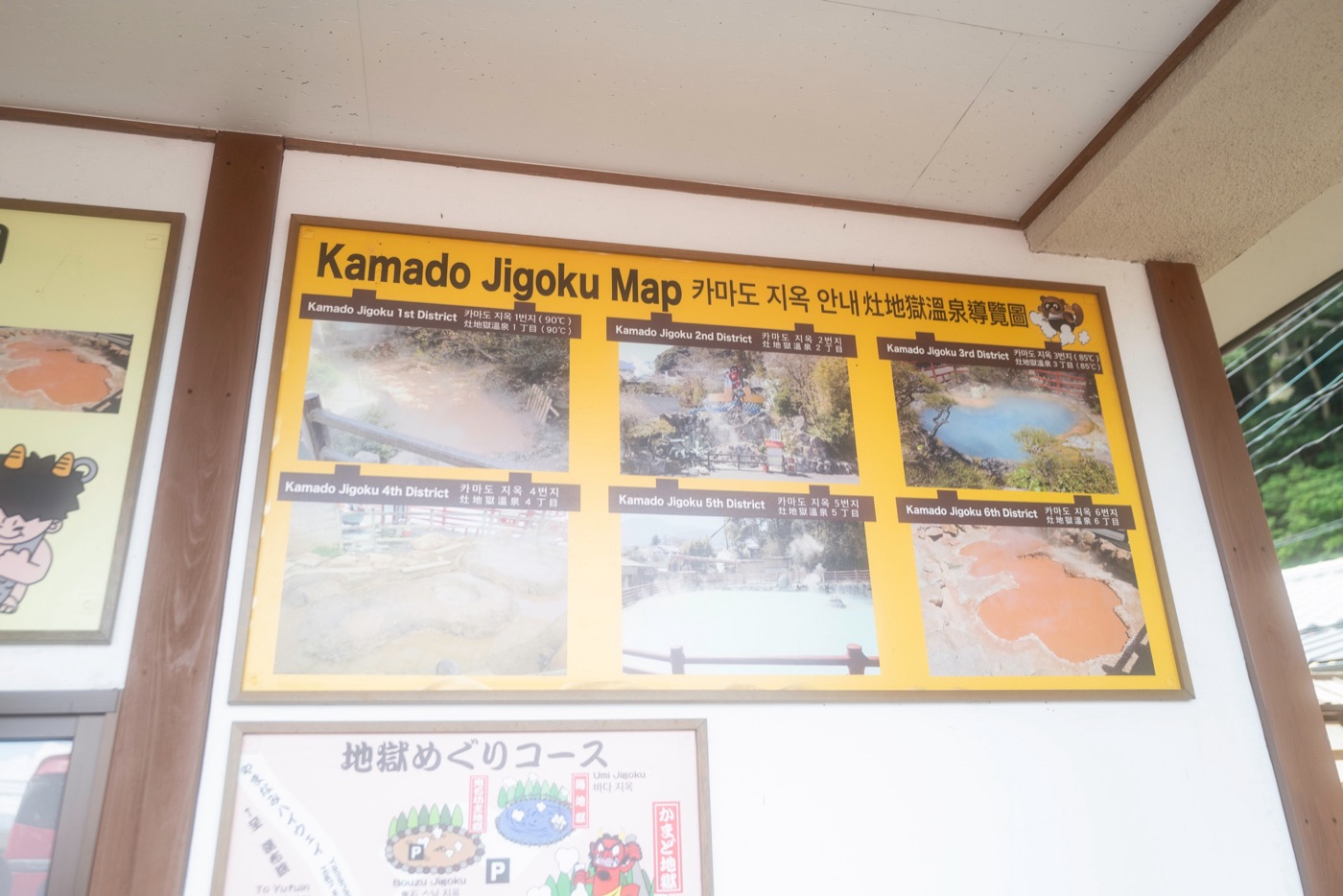
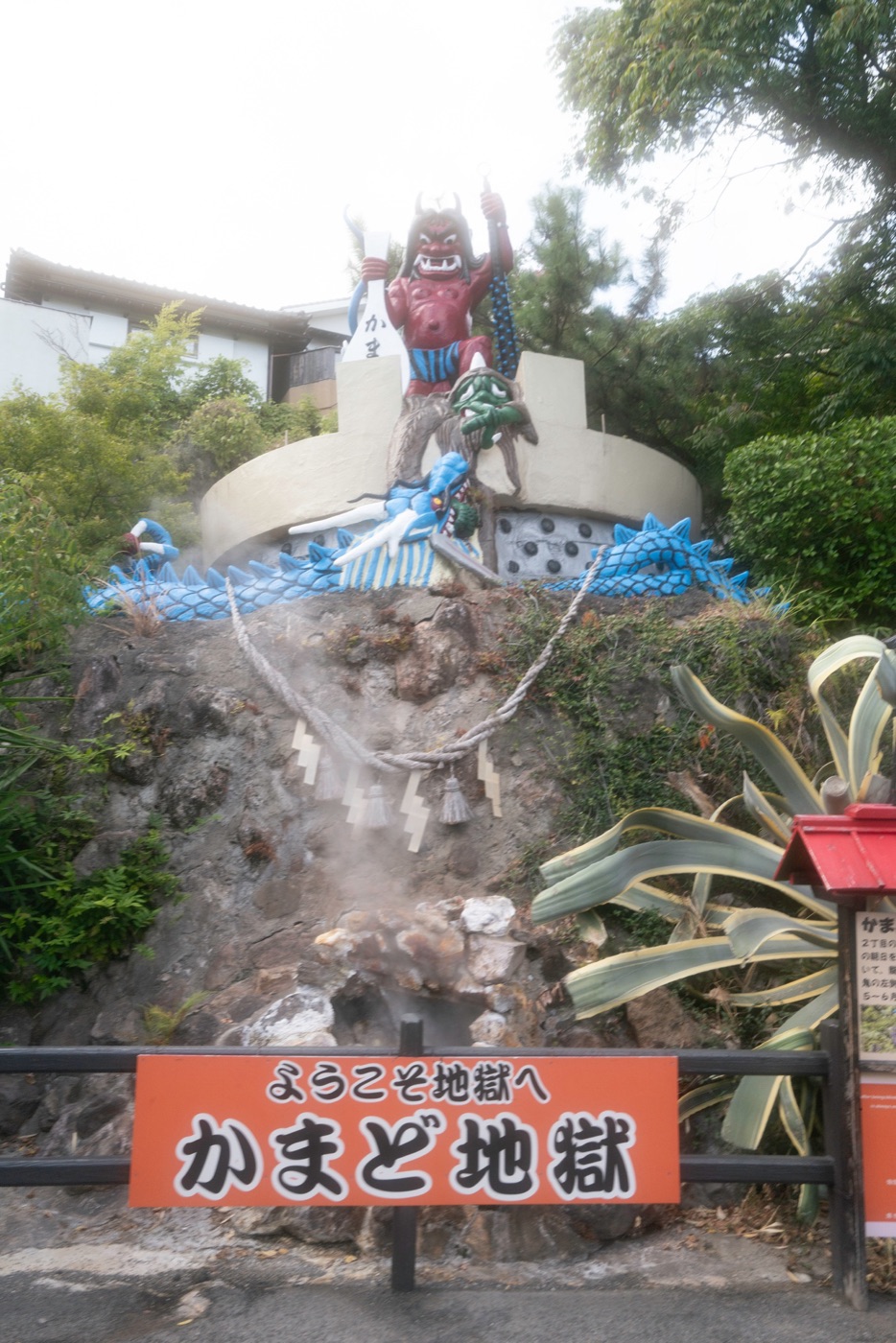
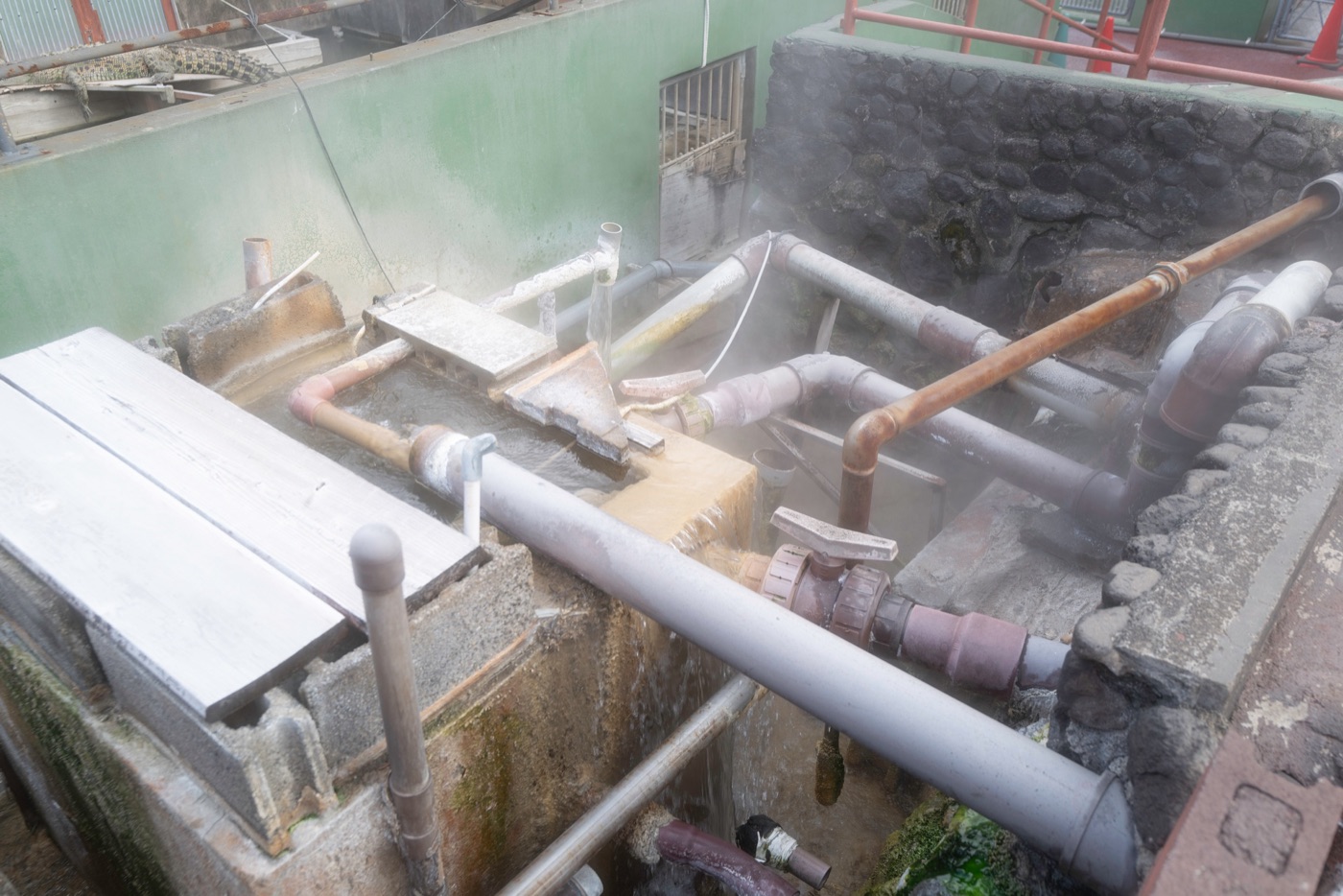
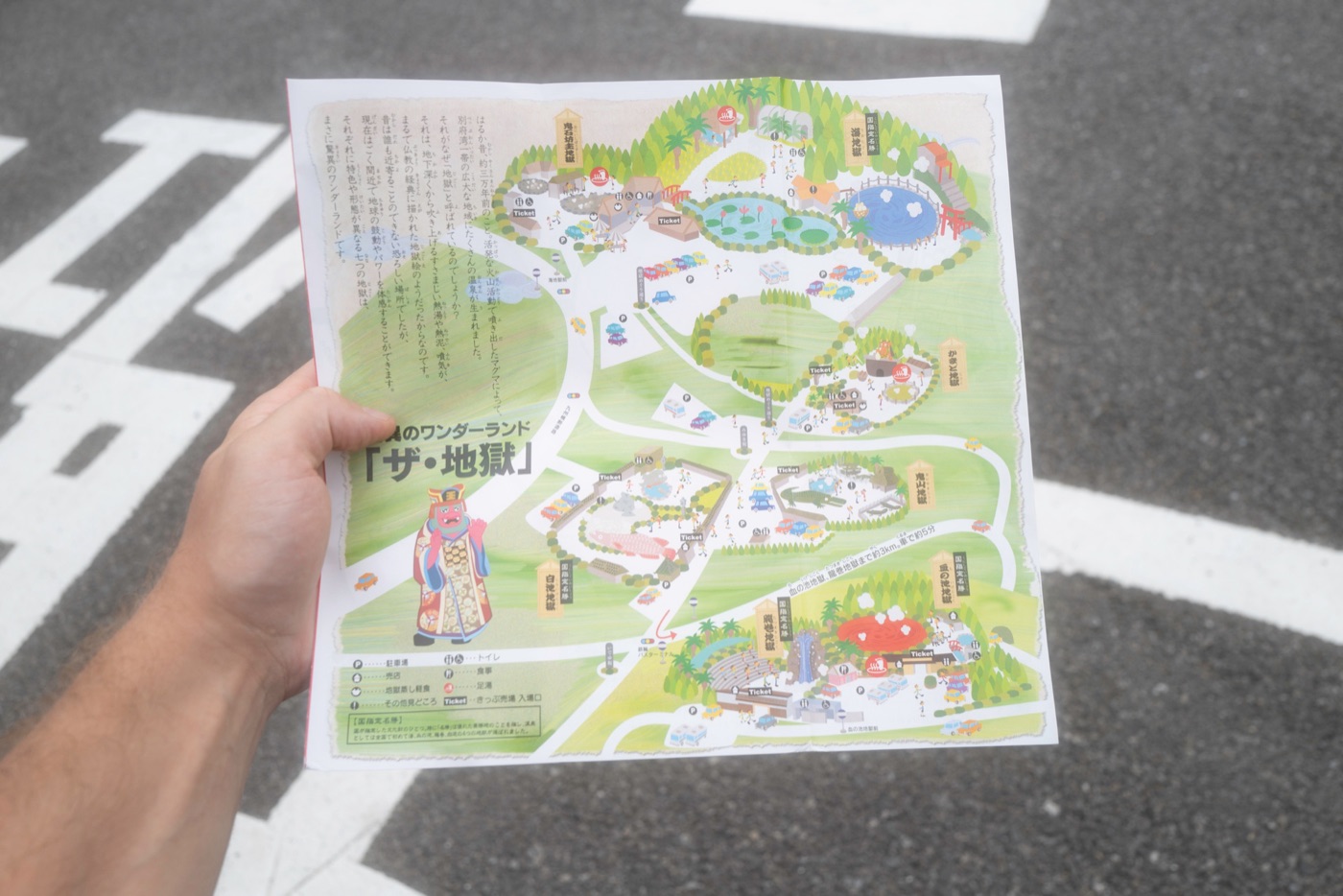
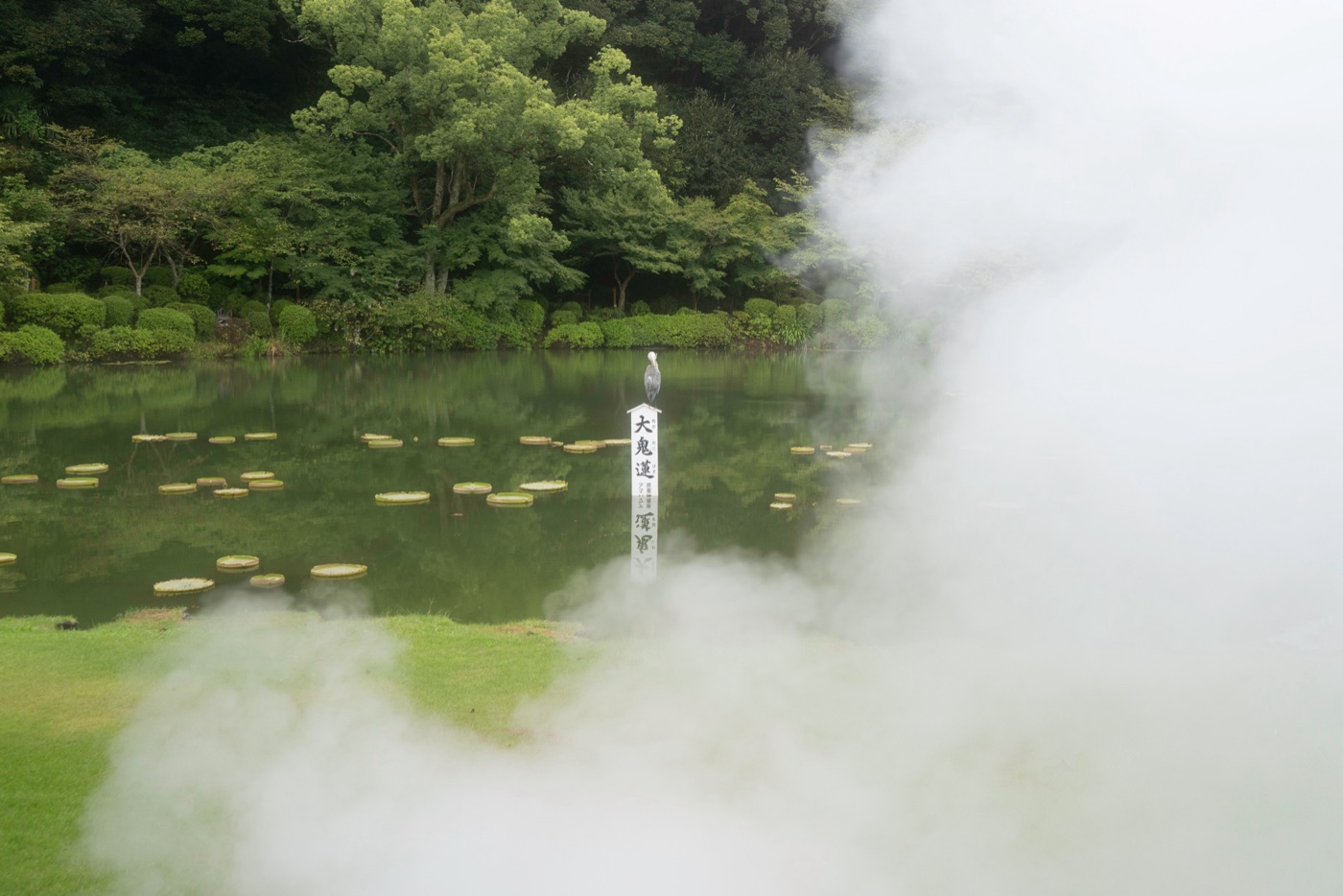
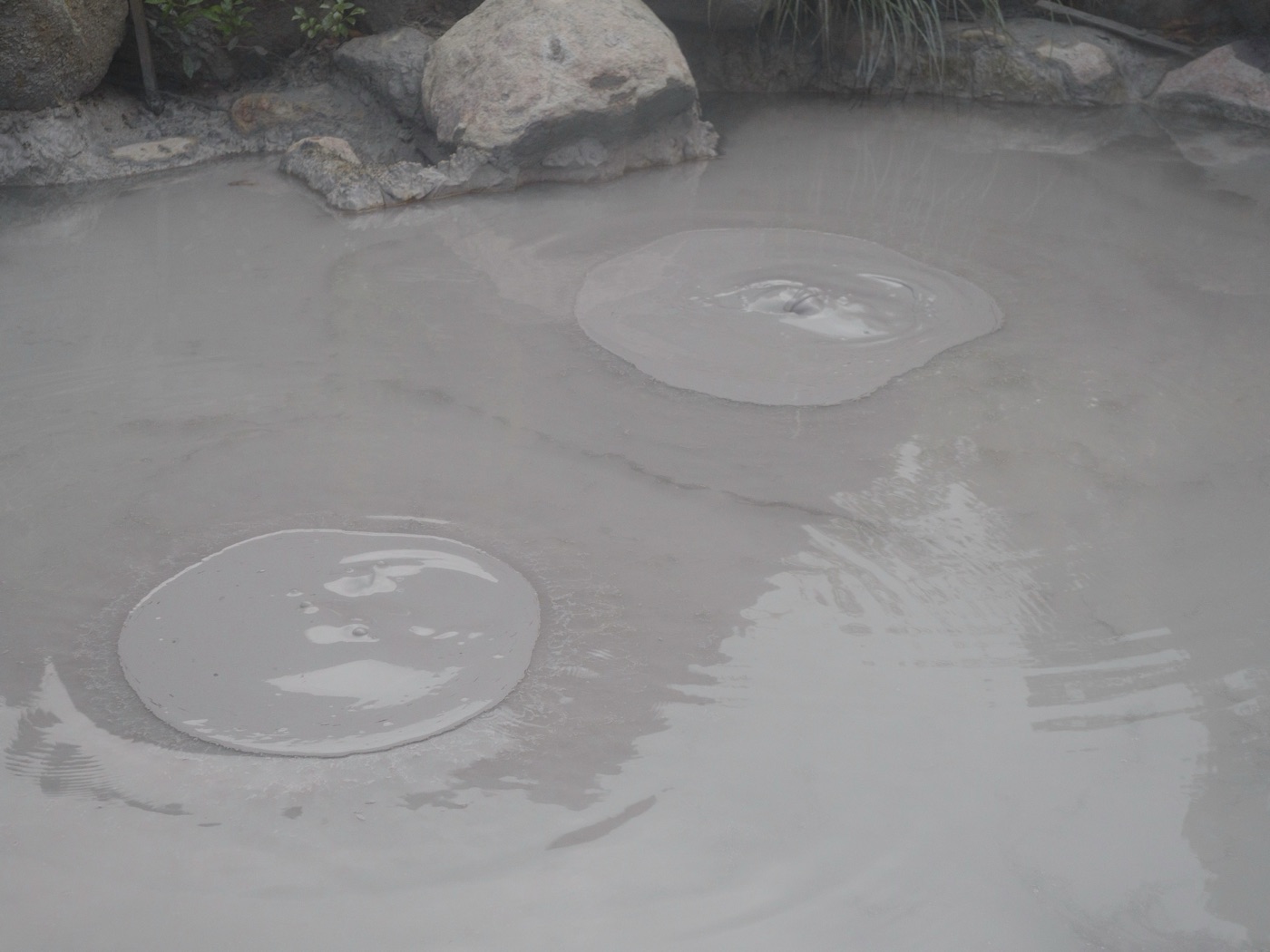
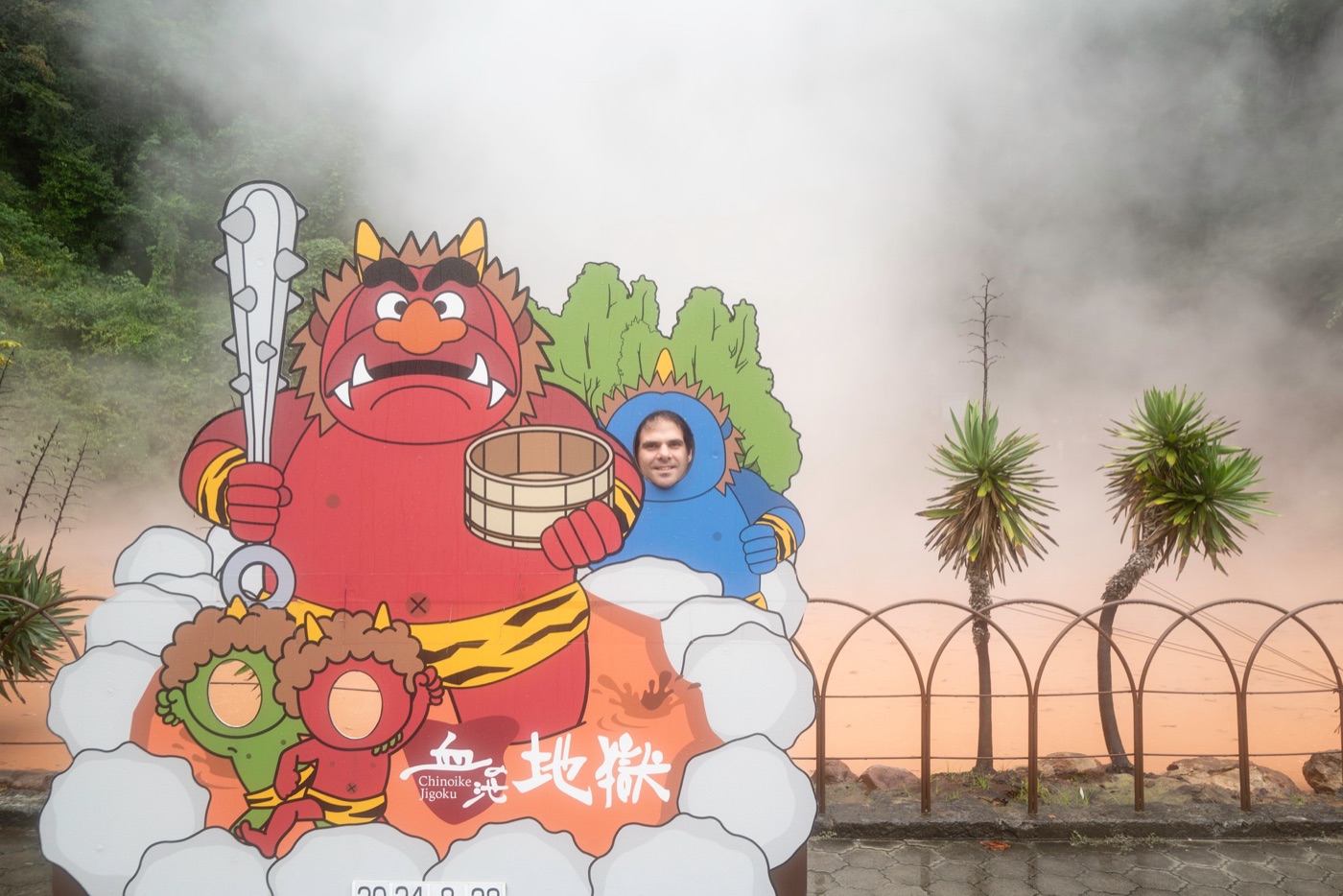
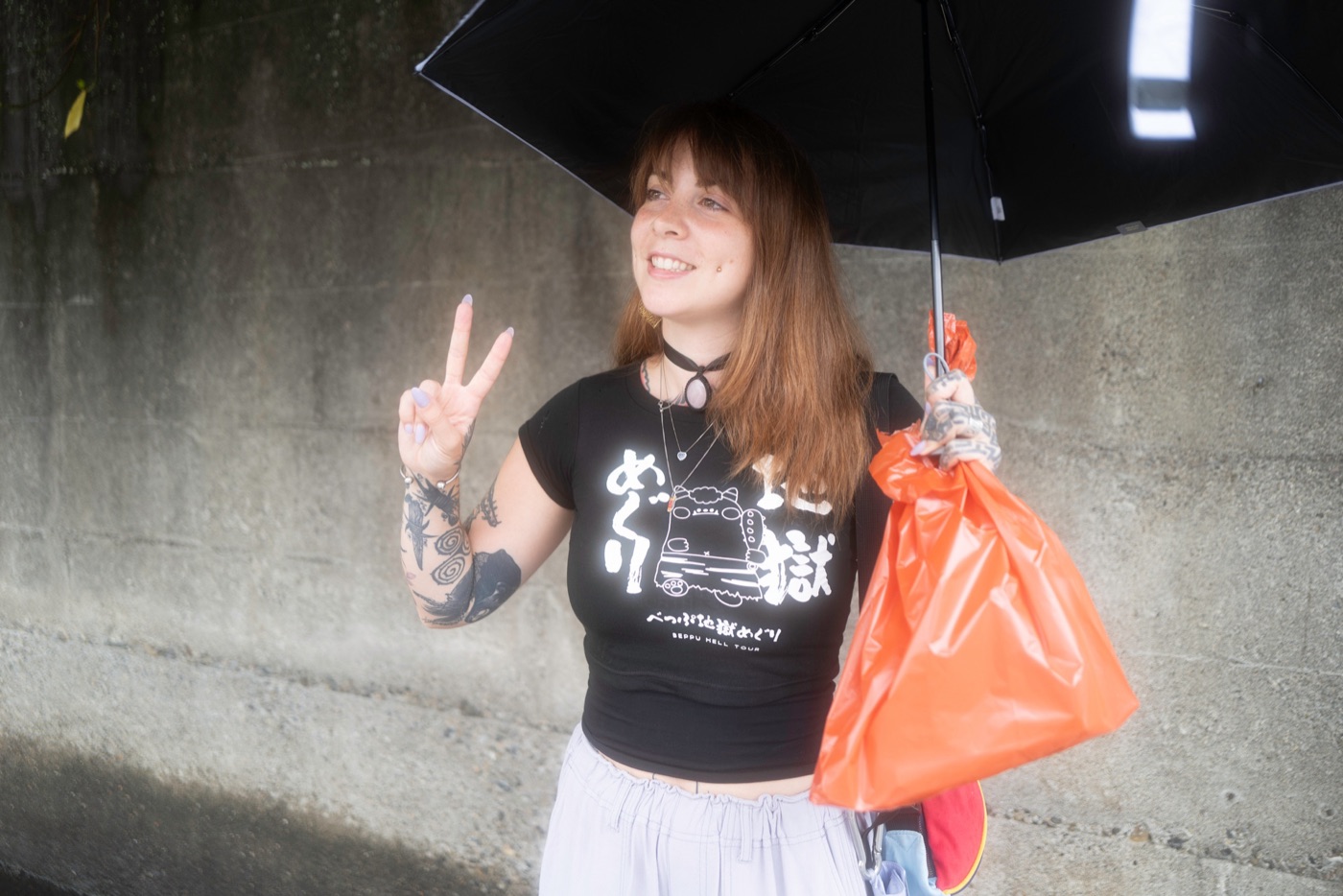
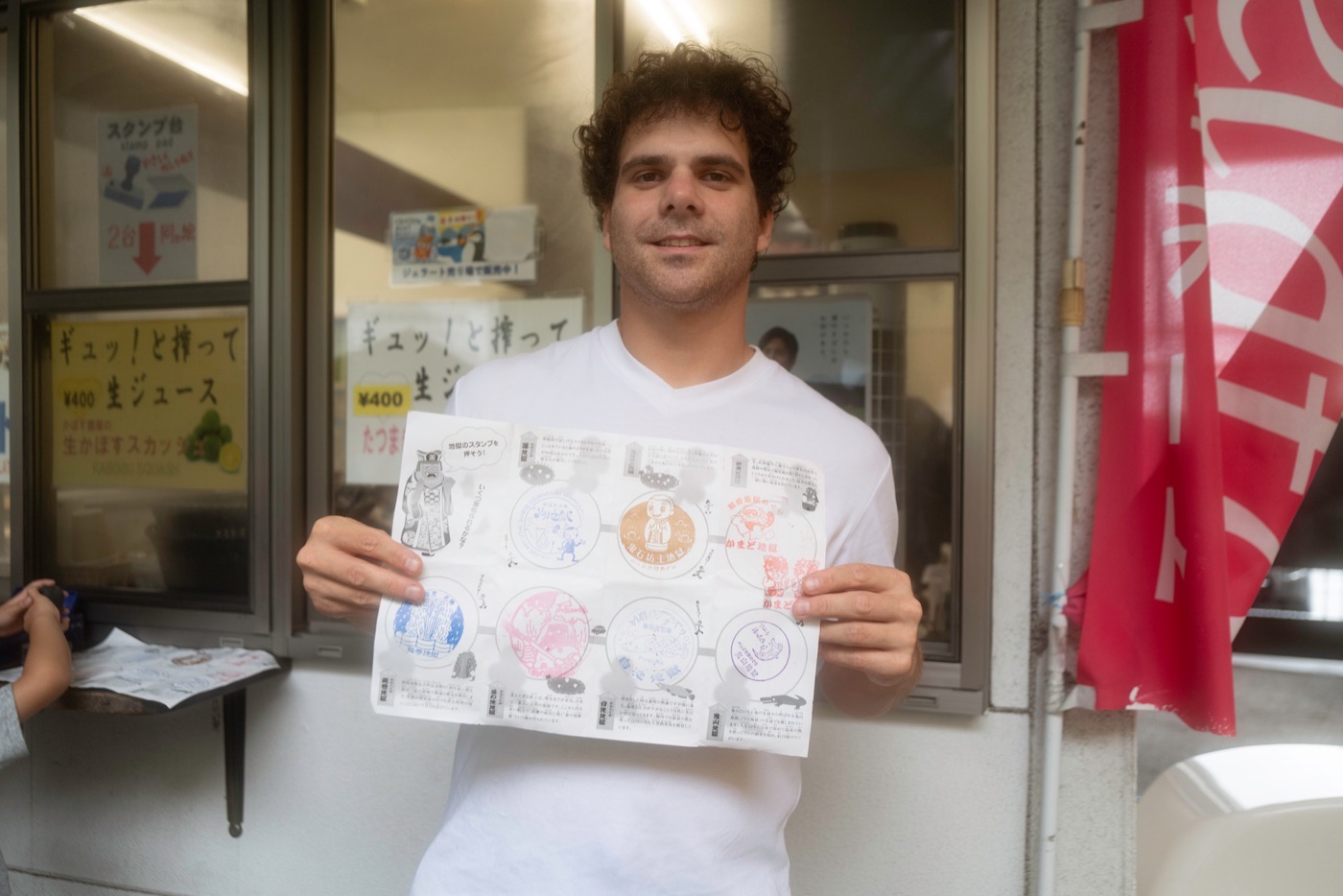
The most popular attraction in Beppu is the Jigoku Meguri, or Hell Tour, a circuit of seven geothermal hot springs that are far too hot for bathing but spectacular to look at. Each “hell” has its own character. Umi Jigoku (Sea Hell) features a vivid cobalt-blue pool surrounded by tropical plants warmed by the steam. Chi no Ike Jigoku (Blood Pond Hell) takes its name from the deep red color of its iron-rich water. Tatsumaki Jigoku (Spout Hell) is a geyser that erupts at regular intervals, sending boiling water several meters into the air. Others include a bubbling mud pool and a pond where crocodiles are raised using the geothermal heat. A combination ticket covers all seven hells, and the full circuit takes around two to three hours. The hells are divided between the Kannawa and Shibaseki districts, with the majority in Kannawa.
Public Onsen Culture and Sand Baths
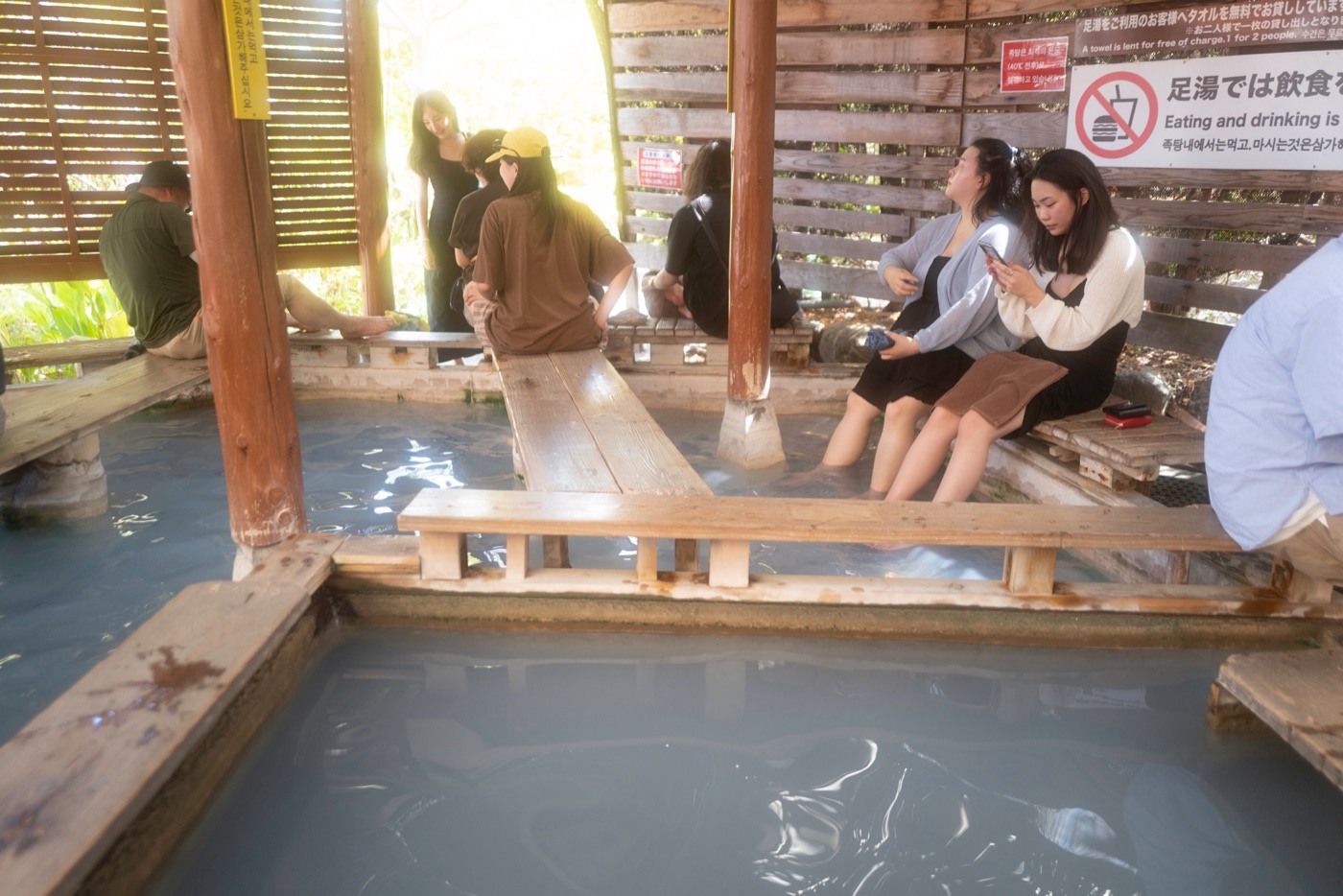
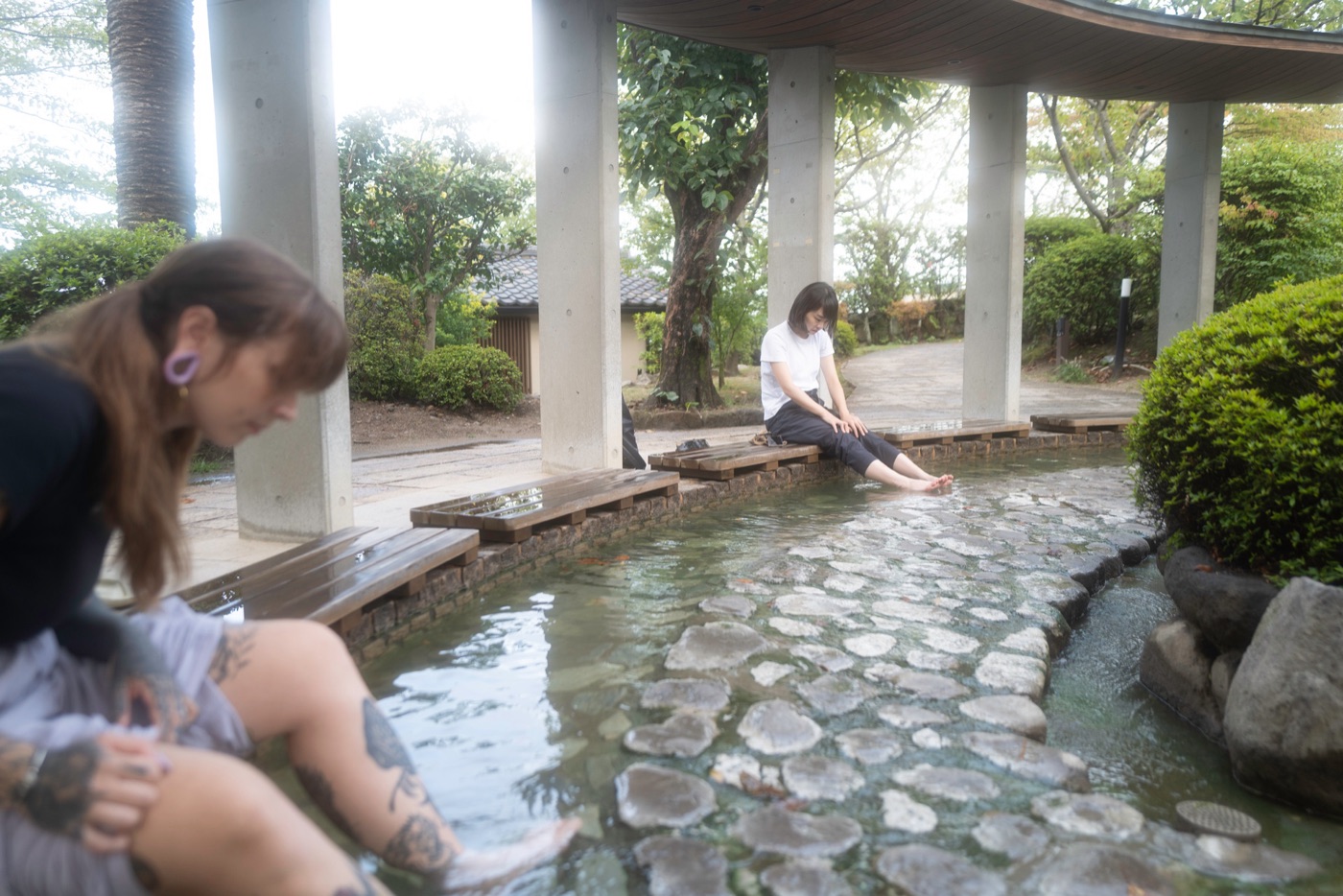
Beyond the spectacle of the hells, Beppu’s real appeal lies in its public bathhouses. Dozens of neighborhood onsen, known as jimosenyu, are open to anyone for a small fee, sometimes as low as 100 yen. These are no-frills establishments — tile floors, simple tubs, and communal changing areas — but they offer an authentic experience that resort hotels cannot replicate. For something different, head to Beppu Beach Sand Bath (Shoningahama), where attendants bury you in naturally heated volcanic sand up to your neck. A session of ten to fifteen minutes leaves you feeling deeply relaxed. Sand bathing has been practiced here for generations and is said to improve circulation.
Steam Cooking and Local Flavors
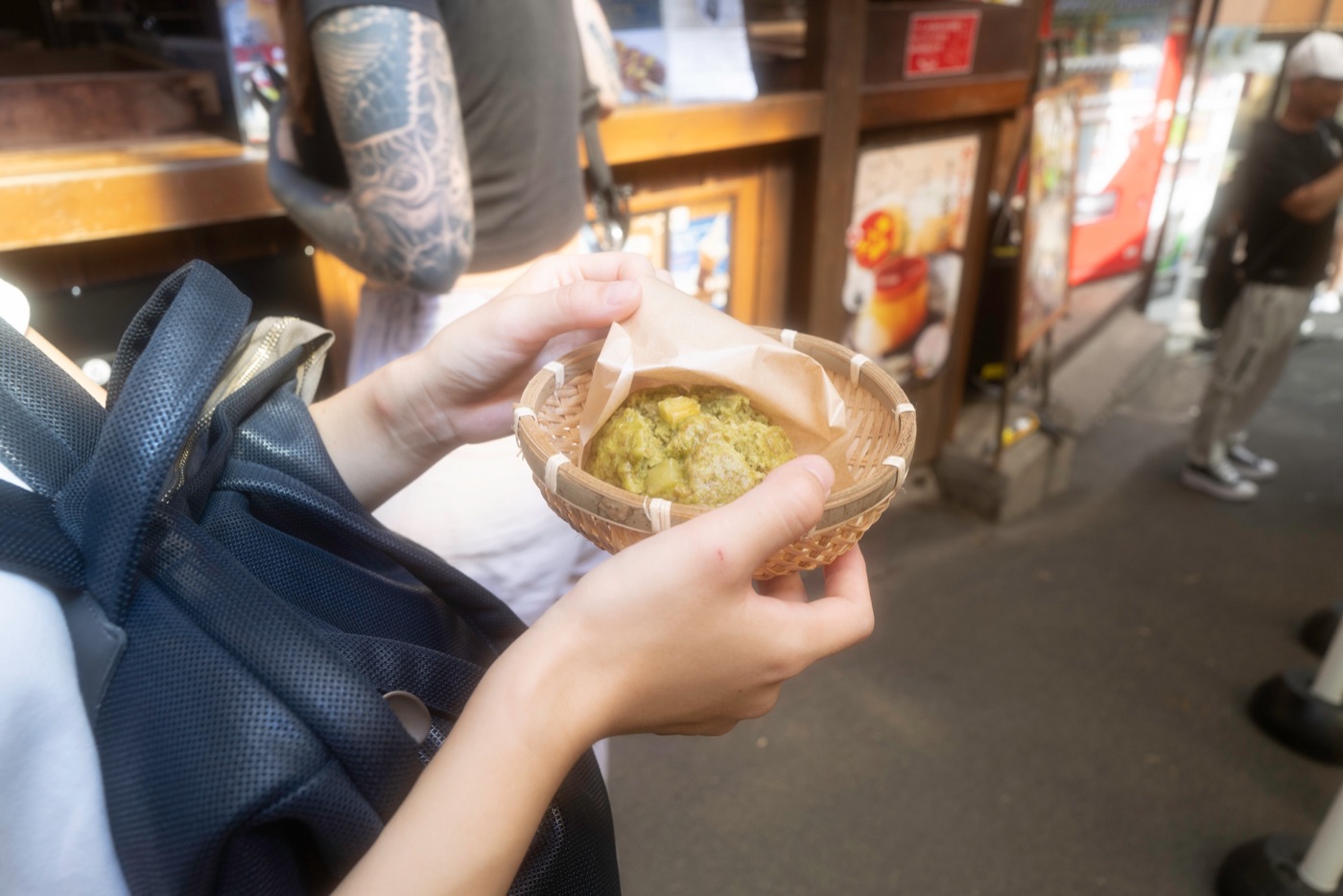
Beppu’s geothermal energy extends to the kitchen. In the Kannawa district, several establishments offer jigoku mushi, or hell-steaming, where food is cooked in baskets placed over natural steam vents. Visitors can purchase sets of vegetables, eggs, seafood, and meat to steam at communal cooking stations — the mineral-rich steam adds subtle depth to the food. Onsen tamago, eggs slow-cooked in hot spring water, are sold throughout the district. The broader Oita region is also known for its kabosu citrus, toriten (chicken tempura), and fresh seafood.
Getting to Beppu
Beppu is well connected by rail, air, and sea. The JR Nippo Main Line links Beppu to Kokura (for Shinkansen connections) in around 90 minutes, and the JR Sonic limited express runs frequently between Beppu and Hakata Station in Fukuoka, taking just over two hours. Oita Airport is about 45 minutes away by bus, with flights to Tokyo, Osaka, and other major cities. For a scenic approach, overnight ferries connect Beppu to Osaka and Kobe, arriving in the early morning with views of the Seto Inland Sea. Within Beppu, local buses and the Kamenoi Bus network cover the main onsen districts, though having a car is helpful for reaching some of the more remote bathhouses on the hillsides above the city.