A City Shaped by Memory
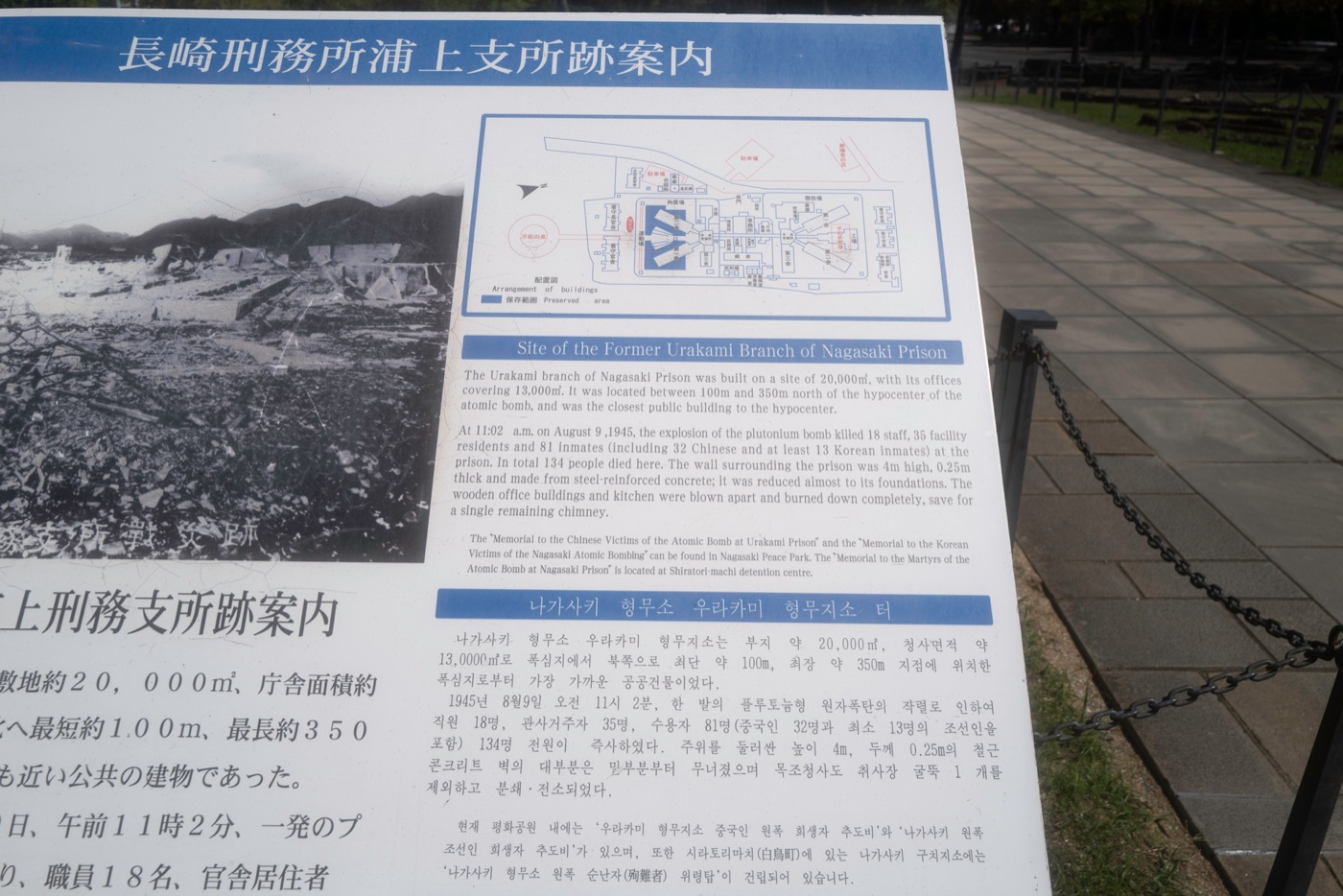
Nagasaki carries a weight of history unlike almost any other city in Japan. On August 9, 1945, it became the second city to suffer an atomic bombing, and today the Peace Memorial Park stands as a solemn reminder of that event. The park, located in the Urakami district, centers on a striking bronze statue by sculptor Kitamura Seibo, one arm pointing skyward, the other extended in a gesture of calm. Nearby, the Nagasaki Atomic Bomb Museum walks visitors through the events leading up to and following the bombing, with artifacts, survivor testimonies, and educational exhibits that leave a lasting impression. The atmosphere is contemplative rather than sensational, and even on busy days the grounds maintain a certain quiet dignity.
Glover Garden and the Colonial Legacy
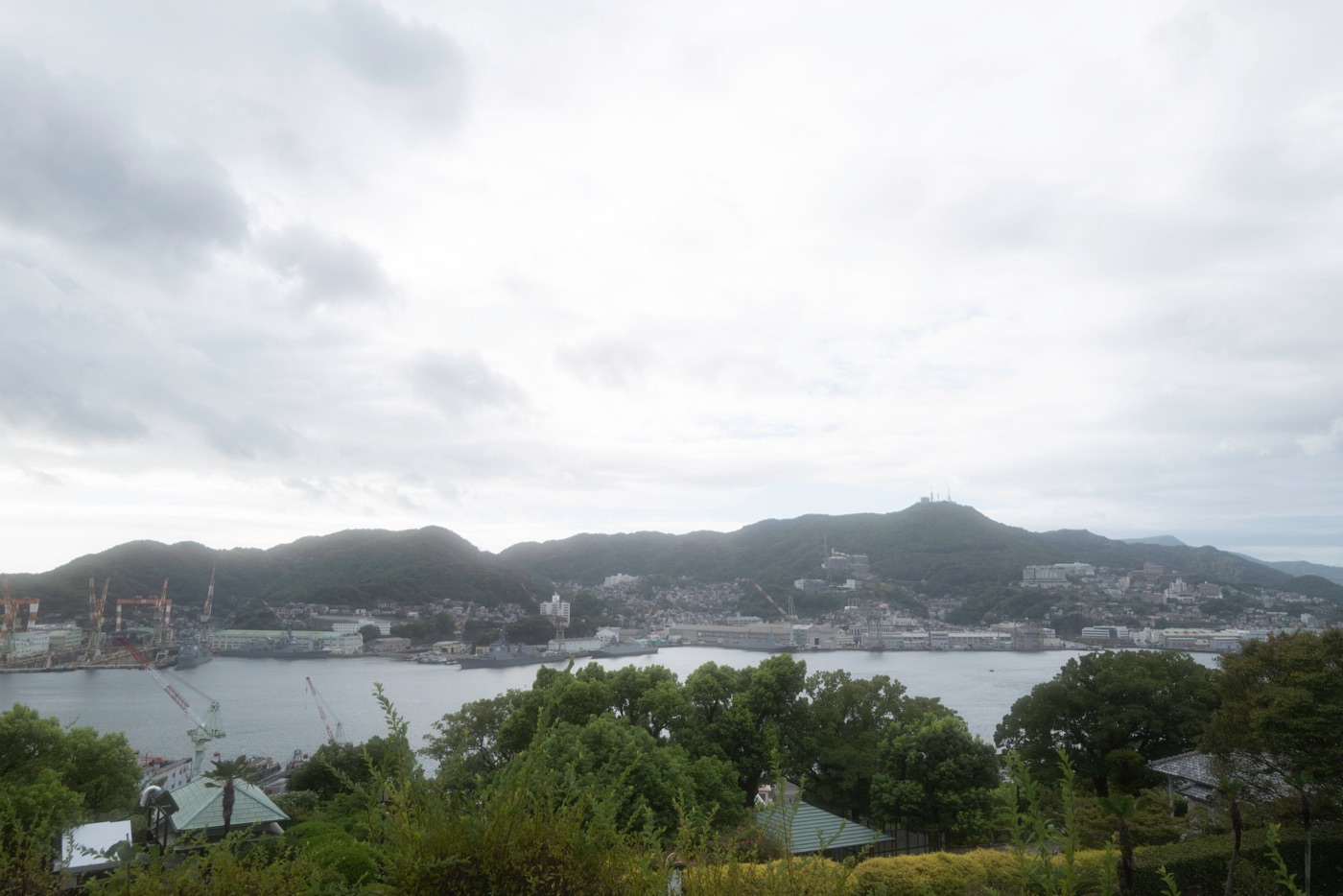
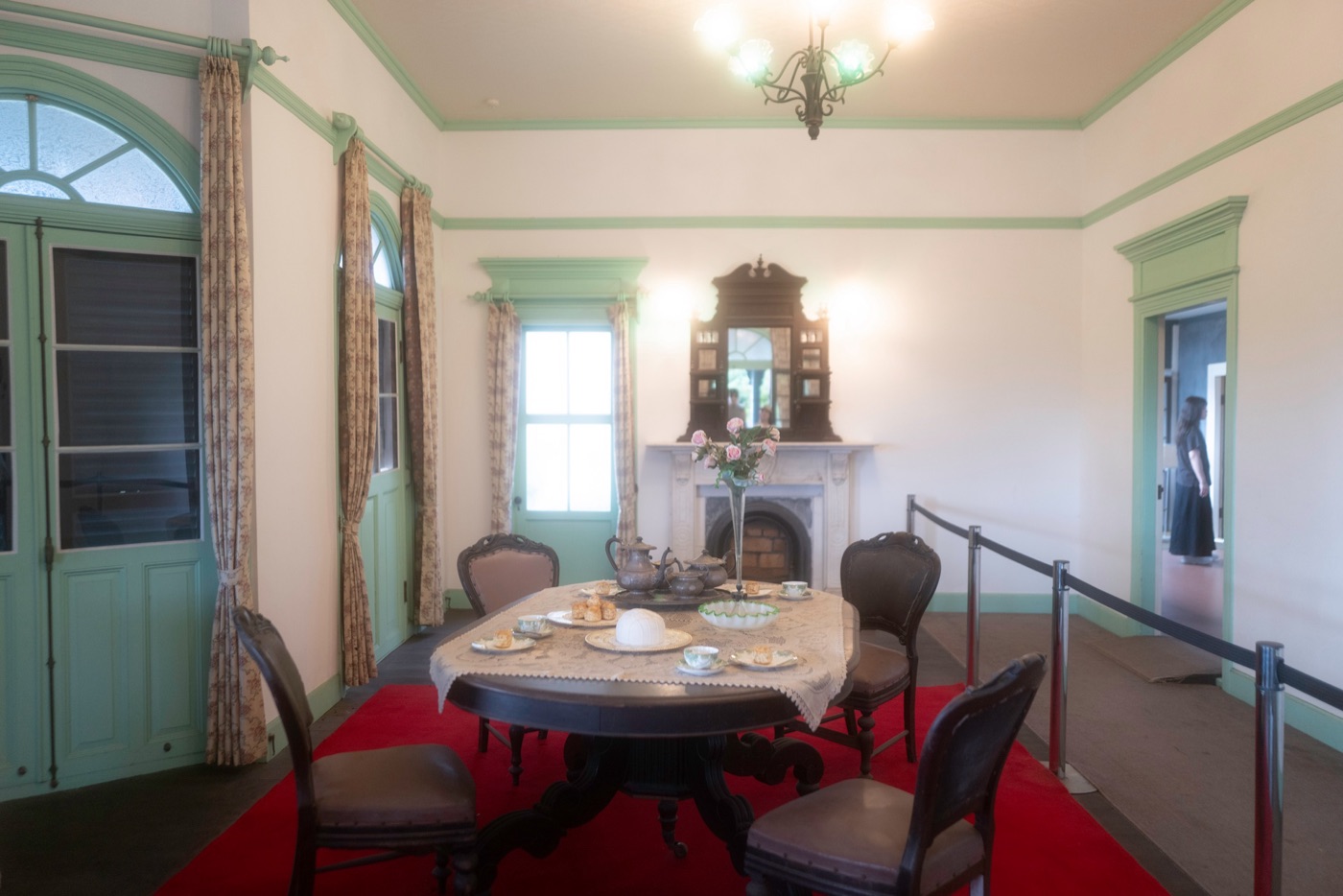
Set on a hillside overlooking Nagasaki Harbor, Glover Garden preserves the residences of Western merchants who settled here during the Meiji era. The most famous is the former home of Thomas Blake Glover, a Scottish trader who played a role in the industrialization of Japan. The garden itself is beautifully landscaped, and the views across the harbor are worth the climb alone. Several other preserved buildings dot the grounds, each offering a glimpse into the lives of the foreign community that once thrived here. The area around Glover Garden also connects to the Oura Church, one of the oldest Christian churches in Japan, reflecting the city’s long and sometimes troubled relationship with Christianity.
The Famous Night View
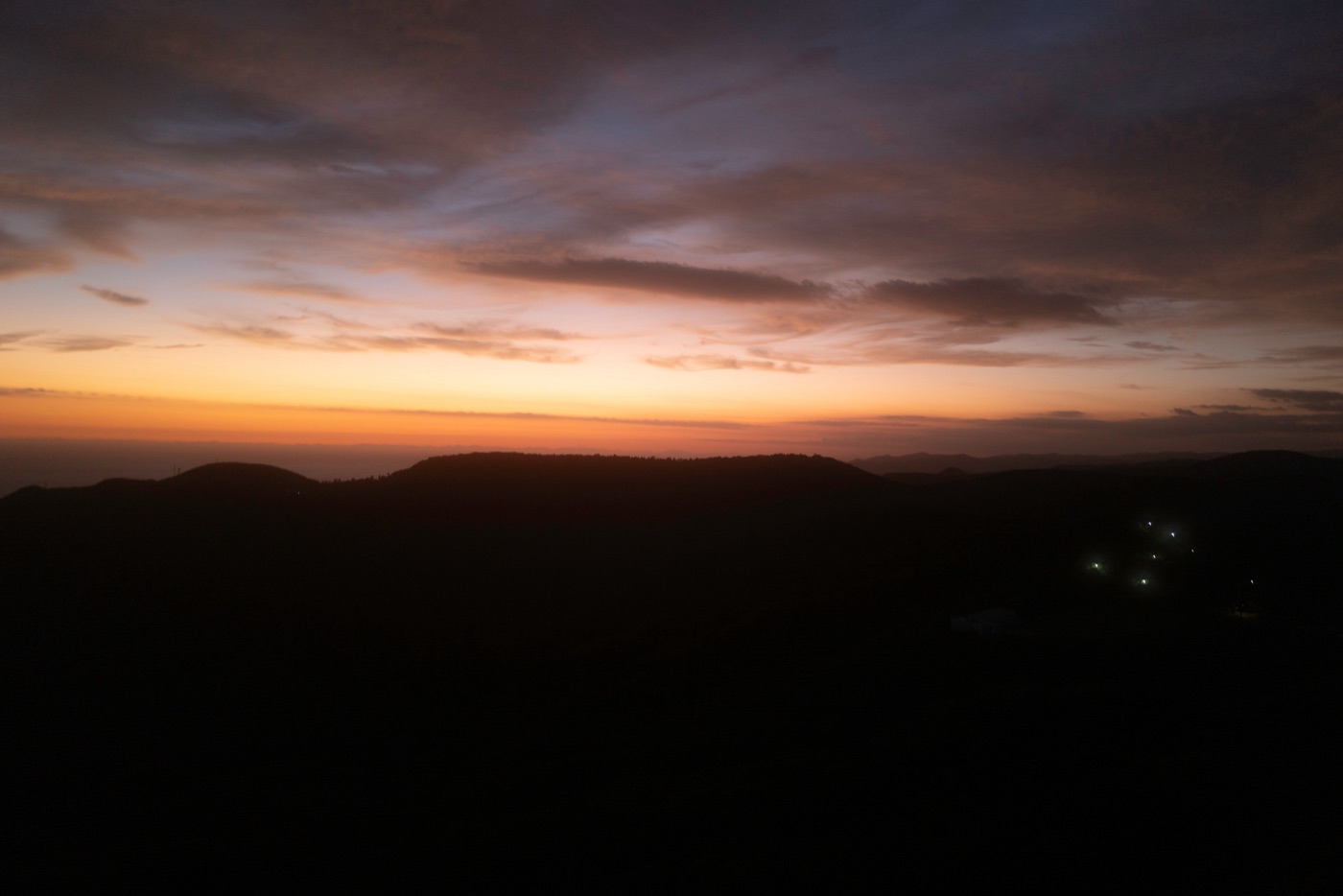
Nagasaki is consistently ranked among the top three night views in Japan, alongside Kobe and Hakodate. The best vantage point is Mount Inasa, accessible by ropeway from the city center. On a clear evening, the city lights spread across the narrow harbor valley in a way that feels almost theatrical. The surrounding mountains frame the view, creating a natural amphitheater of light. Visitors who time their ascent for just before sunset can watch the transition from golden daylight to glittering cityscape. The observation deck at the summit has been recently renovated, and there is a small restaurant where you can take in the scenery at a more leisurely pace.
Dejima and Nagasaki Chinatown
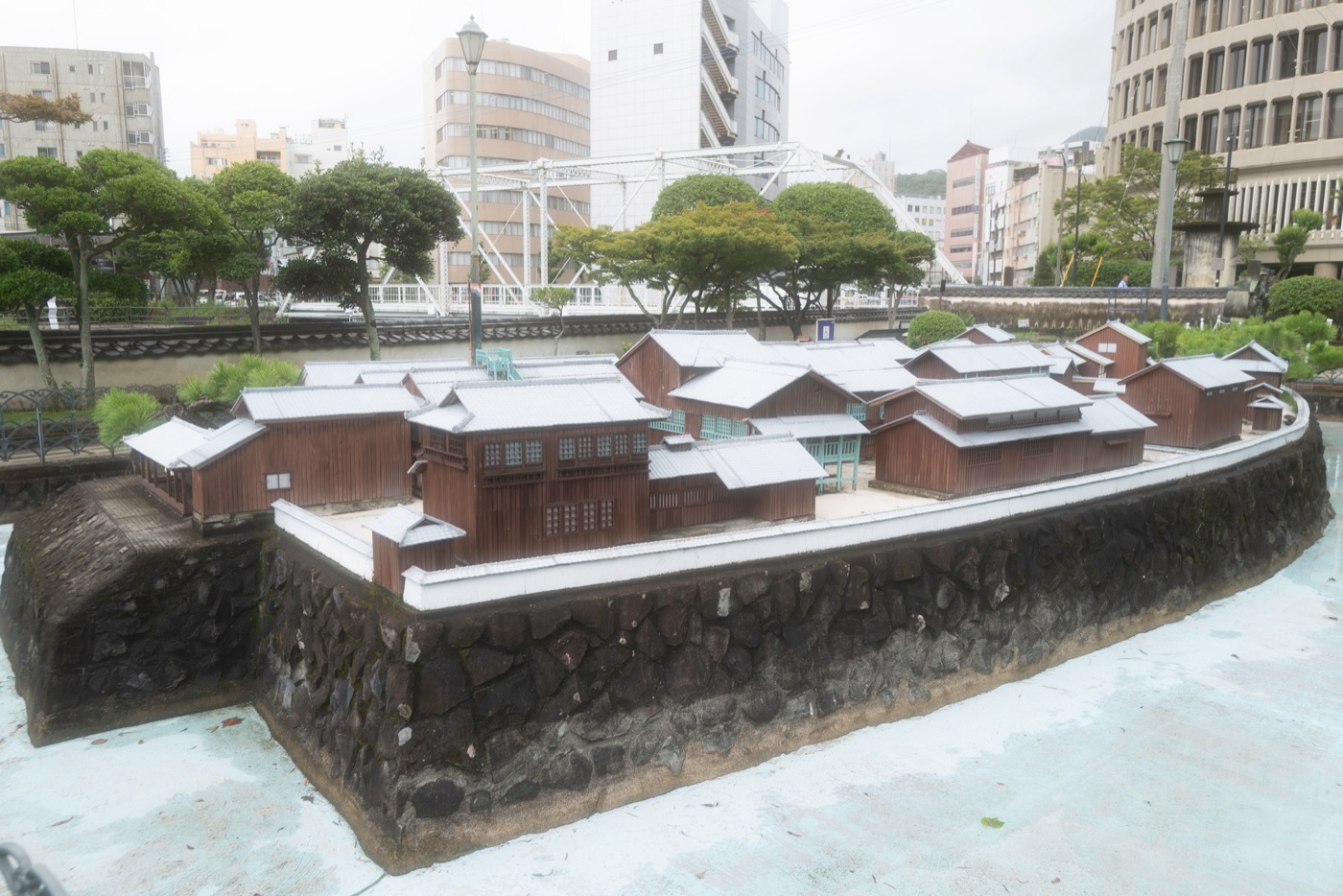
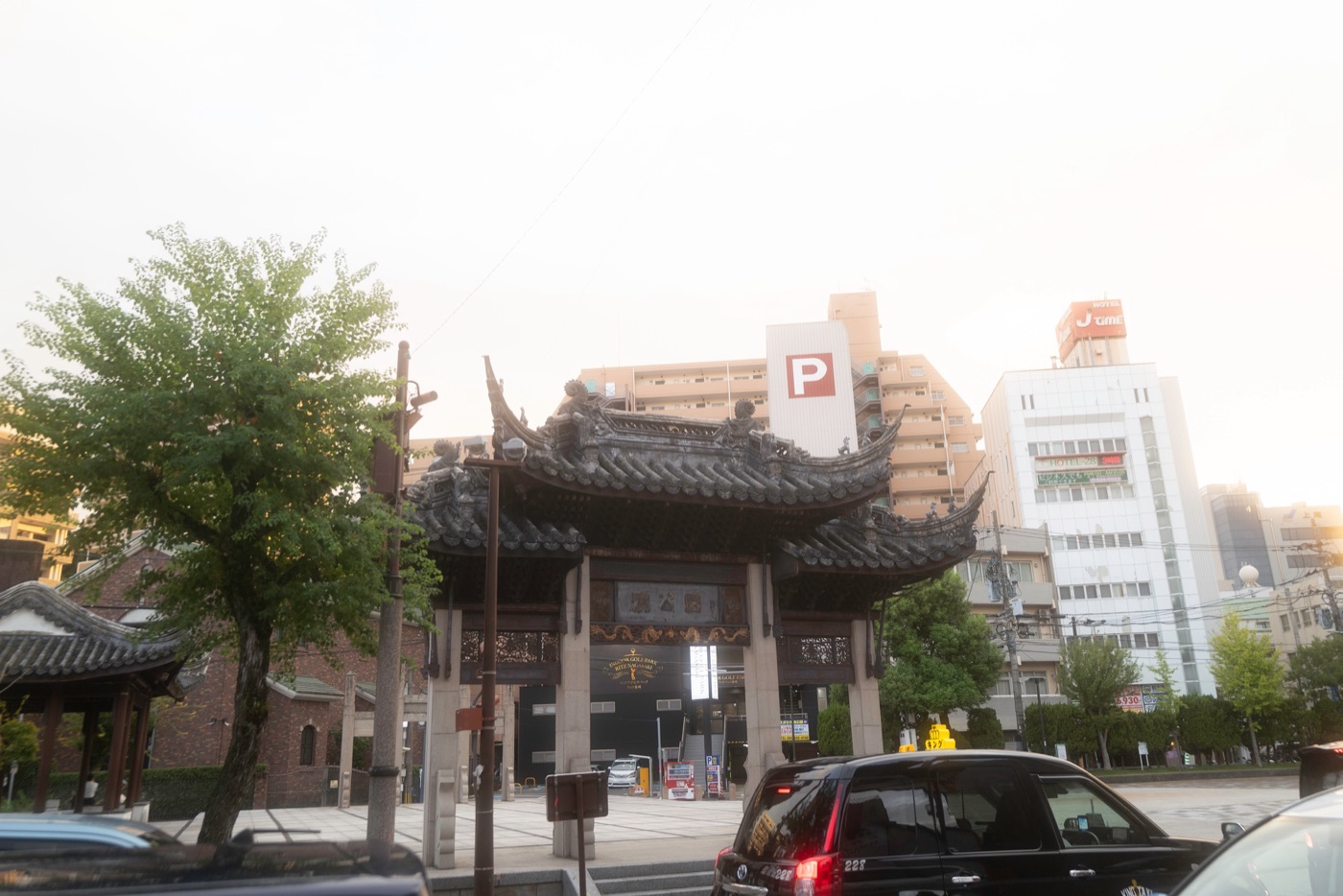
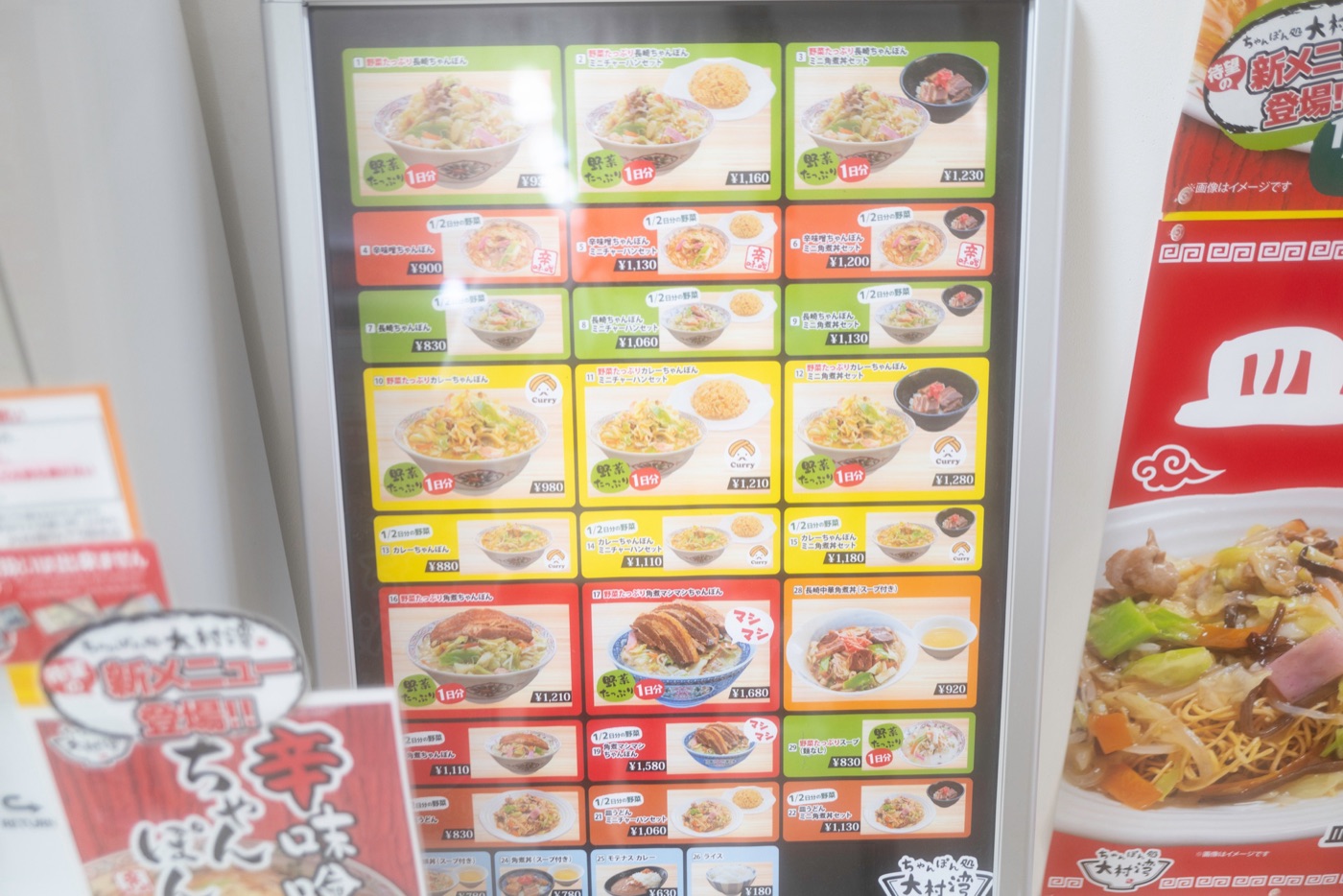
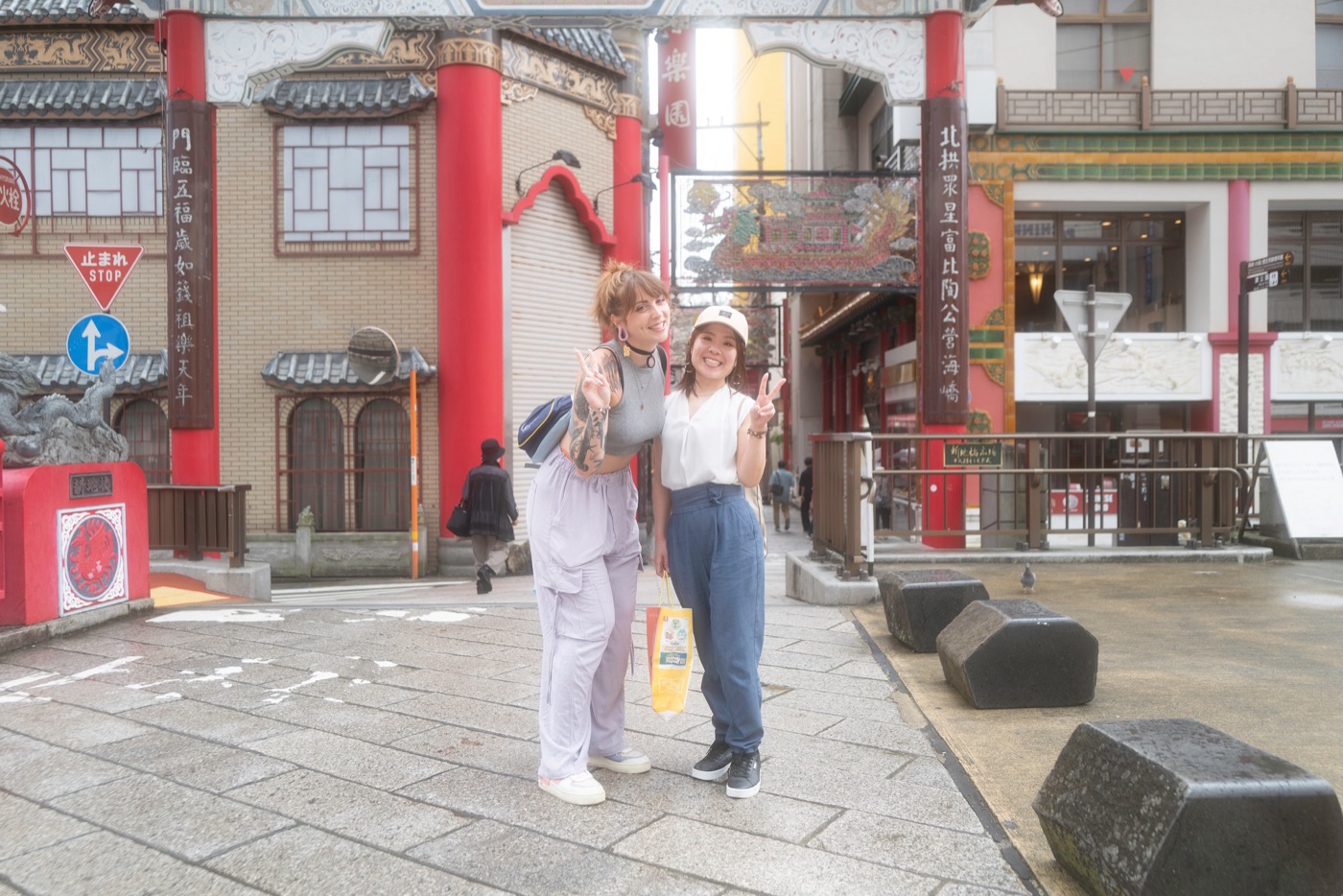
For over two centuries during Japan’s period of isolation, Dejima was the sole point of contact between Japan and the Western world. This small fan-shaped island in Nagasaki Harbor served as a Dutch trading post from 1641 to 1859. Today, the site has been partially reconstructed, and visitors can walk through replica warehouses, living quarters, and exhibition rooms that illustrate daily life during the isolation period. Just a short walk from Dejima, Nagasaki Shinchi Chinatown is the oldest Chinatown in Japan. It is smaller than those in Yokohama or Kobe but has a charm of its own, with narrow streets lined with restaurants serving champon noodles and sara udon, both dishes that originated here as a fusion of Chinese and Japanese cooking.
Getting There and Practical Tips
Nagasaki is accessible by Shinkansen from Fukuoka, with the Nishi Kyushu Shinkansen reducing travel time to under 30 minutes from Takeo-Onsen station. Nagasaki Airport sits on an artificial island in Omura Bay, about 45 minutes by bus from the city center. For those driving, Nagasaki is connected by expressway from Fukuoka, roughly two hours away. Be aware that typhoon season, from June through October, can affect travel plans with heavy rain and transport disruptions. Within the city, the streetcar network covers all major sights for a flat fare.